
Latest News
Loading articles...
Loading photos...
State Representative | House Republican Policy Chair
District
61st
Towns
3
Latest Updates
Swipe through recent posts
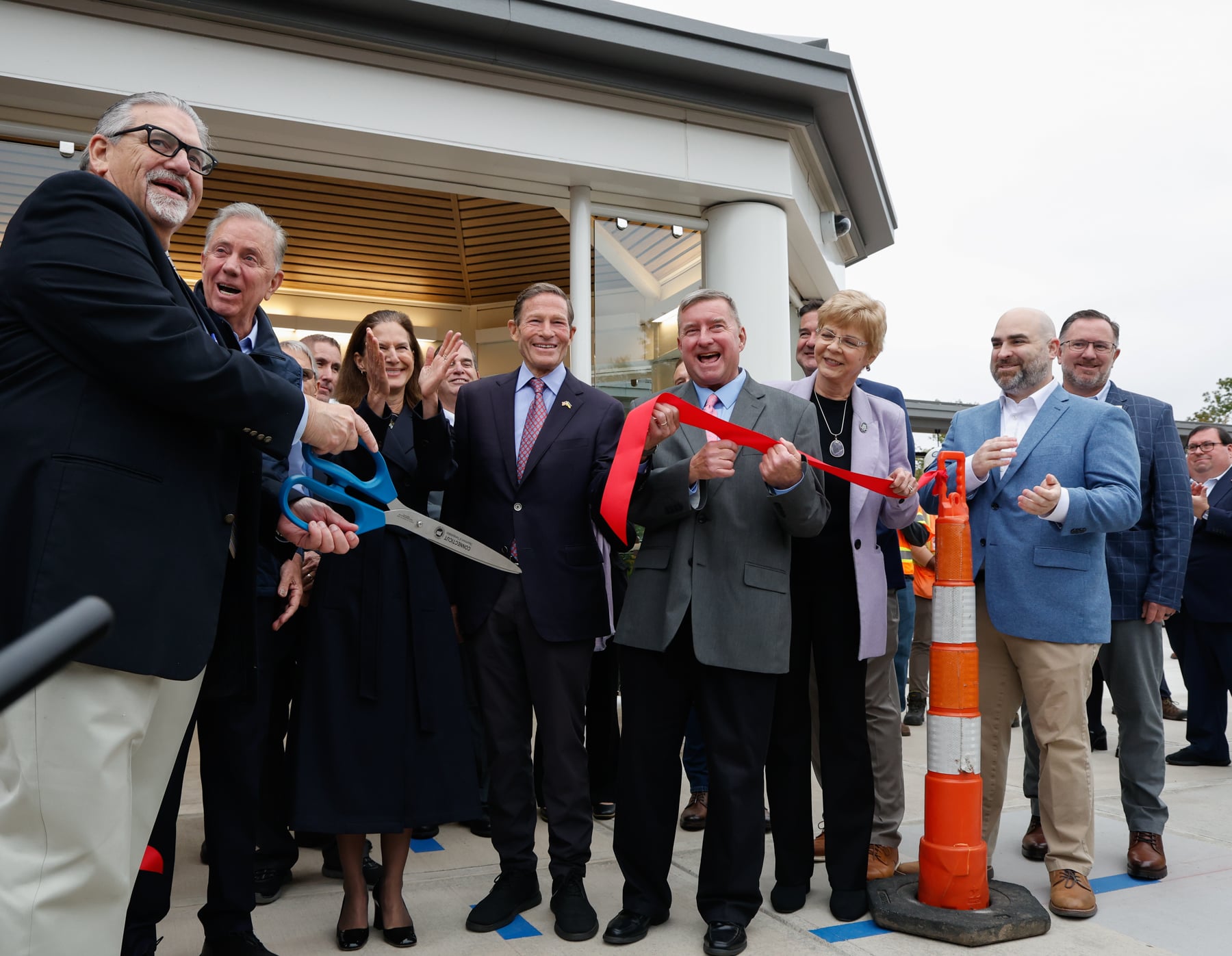
It was a very busy morning in Windsor Locks! We cut two ribbons and broke ground on a new phase of development for the Main Street corridor! Starting early, a large group gathered to officially cut the ribbon for the restored Historic Train Station, then we walked a few feet across the parking lot to cut the ribbon for the NEW Train Station, next we helped break ground for the next phase of the transit-oriented development. It was an honor to join State Senator John A. Kissel ; State Representative Jane Garibay; Town of Windsor Locks, CT, First Selectman's Office Jon Savino ; former first selectmen Storms, Harrington, Wawruck, and Kervick; Governor Lamont; Lieutenant Governor Bysiewicz; Connecticut Transportation Commissioner Eucalitto, and myriad state and local officials for the official ribbon cutting and opening of the newly constructed Windsor Locks Train Station. Located at 231 Main Street, the $121.2 million project includes $46.1 million for station and road improvements, $75.1 million for track and pedestrian bridge improvements, and will open for CTrail Hartford Line and Amtrak service on Sunday, October 18, 2026, with 31 weekday trains, 23 trains on Saturdays, and 24 trains on Sundays, scheduled beginning at 6:19 a.m. on weekends and 4:53 a.m. on weekdays. Shuttles to Bradley International Airport - BDL will run every 20 minutes during scheduled rail hours. The new station offers 160 parking spaces, EV charging stations, bicycle racks, and a dedicated bus pickup and drop-off area that facilitates expanded bus service to Bradley International Airport. The restored old train station is the result of the many Windsor Locks residents who persisted over the years in making sure the historic building was not torn down. It's a beautiful building inside and out, and there are plans to have it house a small local business such as a coffee shop. For bus schedules, fares, and route information, visit CTtransit.com. Rail schedules and tickets are available at HartfordLine.com and Amtrak.com.
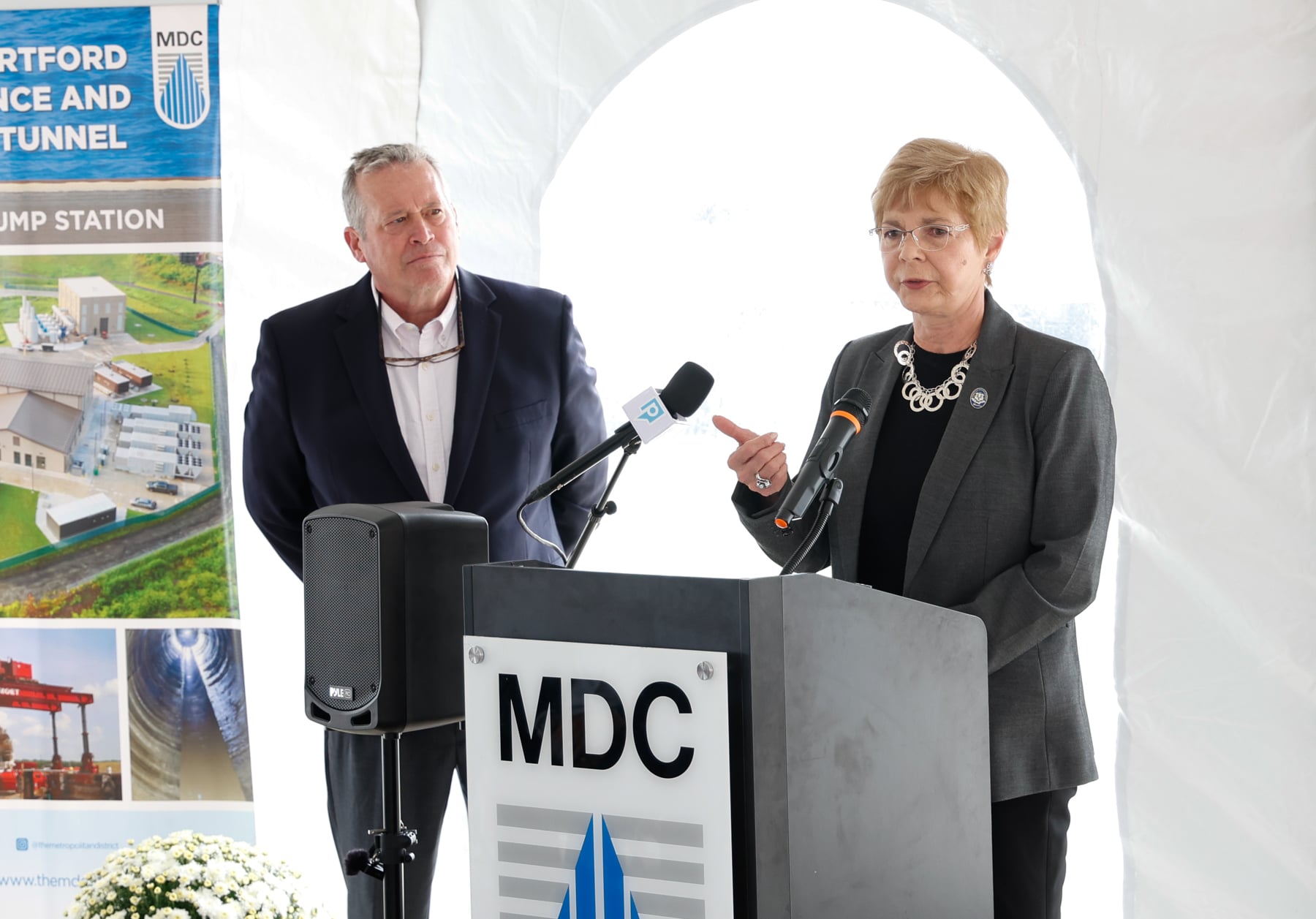
Rep. Zawistowski congratulated workers, engineers, and employees of the Metropolitan District Commission on Thursday during the official ribbon cutting ceremony for the South Hartford Conveyance and Storage Tunnel Pump Station ! This massive project has taken more than a decade to construct and bring online and will prevent Combined Sewer Overflows (CSOs) from entering the Connecticut River. According the the MDC, "The new pump station will play an essential role in the operation of the SHCST, a four-mile-long deep rock tunnel designed to capture and temporarily store excess combined wastewater and stormwater during heavy rain events before conveying those flows to the Hartford Water Pollution Control Facility for treatment. The tunnel, which extends beneath Hartford and West Hartford and was constructed 200 feet below ground in bedrock and can store approximately 41.5 million gallons of combined sewer overflows (CSOs), will protect local waterways and improve water quality throughout the region." "This incredible storage facility will allow the MDC to treat and control the release of stormwater and wastewater overflow situations that previously might have been discharged untreated into the river," Rep. Zawistowski said. "Preventing combined sewer overflows is wildly expensive and takes years of planning, preparation, permitting and construction. I'm excited by this facility and hope it serves as a model for upriver communities in Massachusetts that continue to struggle with regulating and controlling these overflows." According to the U.S. EPA, when the amount of water runoff exceeds the capacity of combined municipal wastewater treatment systems, untreated stormwater and wastewater is discharged into nearby waterbodies creating a Combined Sewer Overflow (CSO). These CSOs are subject to the National Pollutant Discharge Elimination System (NPDES) permitting program. In August 2025, in response to complaints from local fishermen and others, Connecticut Reps. Zawistowski and Devin Carney (R-Old Lyme), sent a formal letter to Environmental Protection Agency to request assistance to prevent up-river states from continuing to discharge sewage and other harmful substances into the Connecticut River. Those critical concerns, including the interstate water quality impact, public health risks, environmental justice, and the economic impact to tourism, recreation, and property values along the river corridor prompted ongoing discussions. From those, the Cross-Border CT River Communities Initiative, an ad hoc group initiated by Rep. Zawistowski and Holyoke Mayor Joshua Garcia last fall in response to concerns about downriver pollution caused by CSOs from cities in Massachusetts, was created. Last month, the group proposed hosting a regional Combined Sewage Outflow (CSO) Summit to focus on this important issue. Still in the early planning stages, the group envisions the Summit as chance to acknowledge the environmental legacy of New England’s industrial past, highlight progress made, and discuss future plans to further restore clean water in the waterway. While the current focus has been on Massachusetts, the group expects to expand to include participants from the Connecticut River headwaters to Long Island Sound.
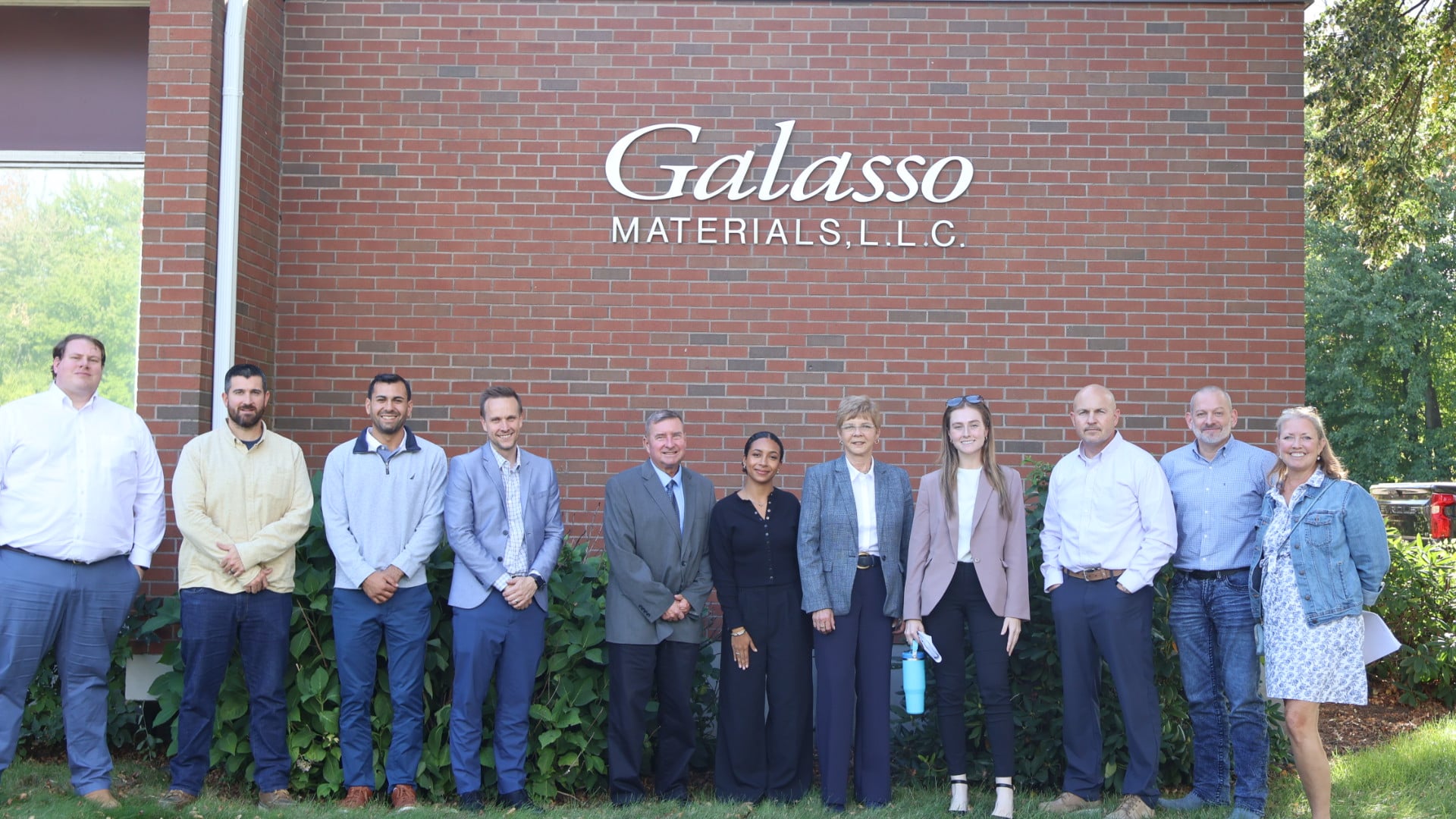
On Tuesday, Rep. Zawistowski met with Kyle Lamontagne of Galasso Materials, Senator John A. Kissel , Town of East Granby First Selectperson Jason Hayes, Rebecca Nolan and other representatives from CBIA (CT Business & Industry Association), to tour the East Granby facility and discuss potential legislation for the upcoming session. Galasso employs 115 people in East Granby, and the company has a long history of generously supporting the community in many different ways. The legislative proposal under consideration would help level the playing field between Connecticut based road construction materials companies and its out-of-state competitors. Rep. Zawistowski said she is happy to support our local companies and look forward to working with all interested parties to move this idea forward.
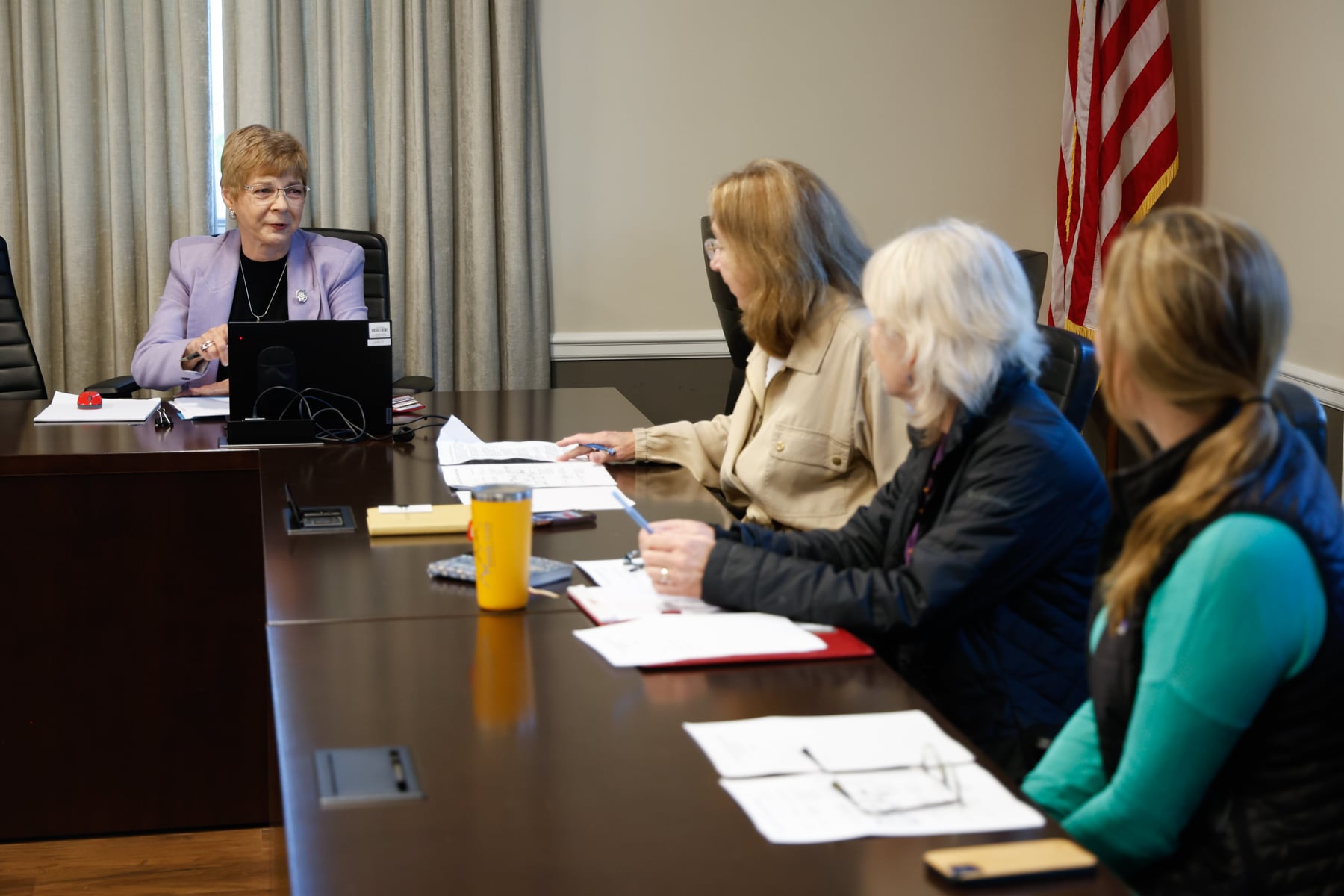
The water temperature in the Connecticut River might be dropping - but a group of concerned state and local officials and conservationists working to eliminate combined sewer overflows (CSOs) - say their mission continues to heat up. At Suffield Town Hall Monday morning, State Representative Tami Zawistowski (R-61 ), joined in the room by Mary Monahan, of the City of Holyoke, Patty Gambarini, of the Pioneer Valley Planning Commission, Markelle Smith, Director of the Connecticut River Watershed Partnership, and Suffield First Selectman Colin Moll, with several more advocates participating online, discussed plans to host a regional Connecticut River CSO Summit to increase awareness among local communities, outdoors enthusiasts, and environmentalists, and to find – and fund - short and long term solutions. “We identified the problem decades ago, but now the small groups that have been working on this issue for years are coming together with one voice to press our federal delegations for the funding to finally make truly transformational change,” Rep. Zawistowski said. “We’ve got great momentum on the local and state level, but there’s always more work to do.” The Cross-Border CT River Communities Initiative is an ad hoc group initiated by Rep. Zawistowski and Holyoke Mayor Joshua Garcia last fall in response to concerns about downriver pollution caused by CSOs from cities in Massachusetts. Still in the early planning stages, the group envisions the Summit as chance to acknowledge the environmental legacy of New England’s industrial past, highlight progress made, and discuss future plans to further restore clean water in the waterway. While the current focus has been on Massachusetts, the group expects to expand to include participants from the Connecticut River headwaters to Long Island Sound. “The Connecticut River is cleaner today than it was only a few years ago thanks to the continued activism of small but dedicated groups and volunteers,” Rep. Zawistowski said. “But it’s not enough. Hopefully, we can leverage their enthusiasm, secure funding, encourage people to pitch in and lend a voice or a hand, and clean up this incredible asset for future generations to enjoy.” According to the U.S. EPA, when the amount of water runoff exceeds the capacity of combined municipal wastewater treatment systems, untreated stormwater and wastewater is discharged into nearby waterbodies creating a Combined Sewer Overflow (CSO). These CSOs are subject to the National Pollutant Discharge Elimination System (NPDES) permitting program. In August 2025, in response to complaints from local fishermen and others, Connecticut Reps. Zawistowski and Devin Carney (R-Old Lyme), sent a formal letter to Environmental Protection Agency to request assistance to prevent up-river states from continuing to discharge sewage and other harmful substances into the Connecticut River. Those critical concerns, including the interstate water quality impact, public health risks, environmental justice, and the economic impact to tourism, recreation, and property values along the river corridor prompted these ongoing discussions.
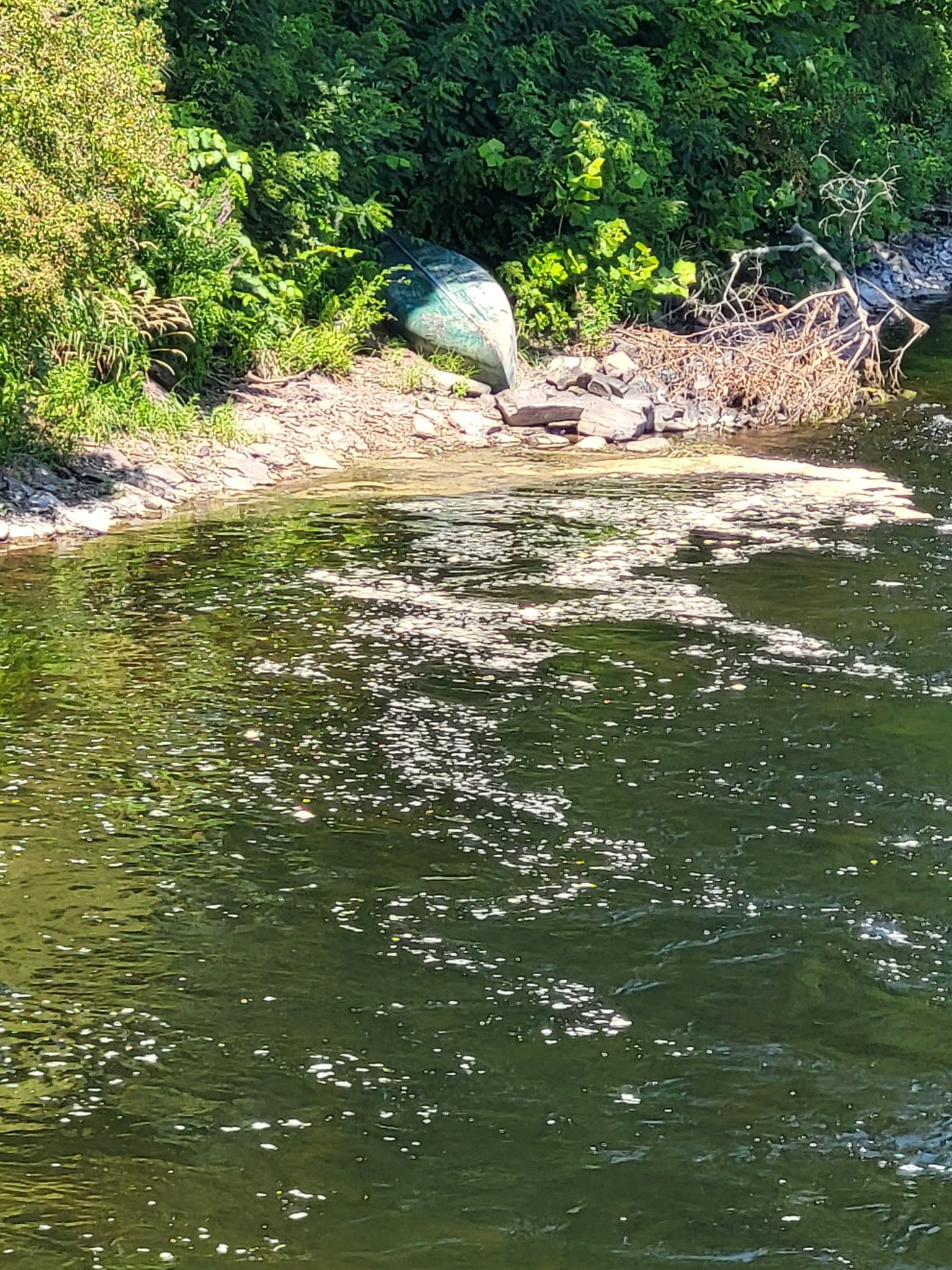
Following another massive 17.5-million-gallon Combined Sewer Overflow (CSO) from Massachusetts’ cities into the Connecticut River last week, State Representative Tami Zawistowski (R-61) immediately sent a letter to Connecticut Attorney General Tong requesting his office initiate legal action against the State of Massachusetts to eliminate these releases. “The Connecticut River doesn’t stop at the border, and while Massachusetts’ officials have been alerting their residents about similar overflow events and working to clean up small sections of the river, Connecticut residents are left to clean up the mess downstream,” Rep. Zawistowski said. “This is a disgusting, yet preventable, issue and must be properly addressed to protect the residents, wildlife, and ecosystems downstream that rely on the river.” Using information taken directly from the alert system linked to treatment facilities serving Springfield, Holyoke and Chicopee, in her letter Rep. Zawistowski specifically referenced July 21, 2026, when approximately 17.5 million gallons of CSOs, including solid waste, including approximately 13.5 million gallons from the Bondi’s Island sewage facility – which serves Springfield and surrounding towns – were released into the Connecticut River from three major sewage treatment facilities in Massachusetts. Less than two weeks ago Rep. Zawistowski sent letters to United States Senators Edward J. Markey and Elizabeth Warren requesting an enhanced level of attention and urgency to prevent persistent CSOs from occurring in Western Massachusetts. Noting that similar overflows affecting the Merrimack Valley and North Shore of Massachusetts were dealt with swiftly by their U.S. Senate colleagues, Rep. Zawistowski implored the veteran federal lawmakers to act swiftly to protect water quality and preserve recreation, fishing, and a riverfront small-business economy that depends on public confidence that our waterways are safe to use. According to the U.S. EPA, when the amount of water runoff exceeds the capacity of combined municipal wastewater treatment systems, untreated stormwater and wastewater is discharged into nearby waterbodies creating a Combined Sewer Overflow (CSO). These CSOs are subject to the National Pollutant Discharge Elimination System (NPDES) permitting program. “These sickening, recurring overflows are now largely preventable with up-to-date combined sewer infrastructure, and while these facilities have long term mitigation plans, we can’t afford to wait decades for action,” Rep. Zawistowski said. “The public health risks are far too great.” -30- Rep. Zawistowski represents the 61 st district of East Granby, Suffield and Windsor Locks
Towns Served
State Representative | House Republican Policy Chair
61st Assembly District