CT River Water Quality Remains Focus of Bipartisan, Multi-state Advocates
Key Takeaways
- Cleaning and protecting the CT River from combined sewer overflows will have major environmental and economic impacts
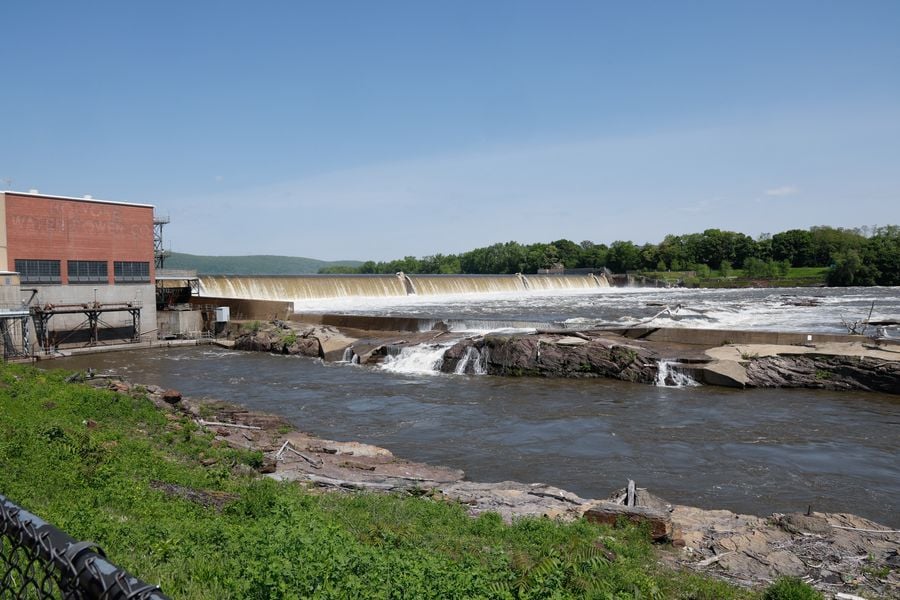
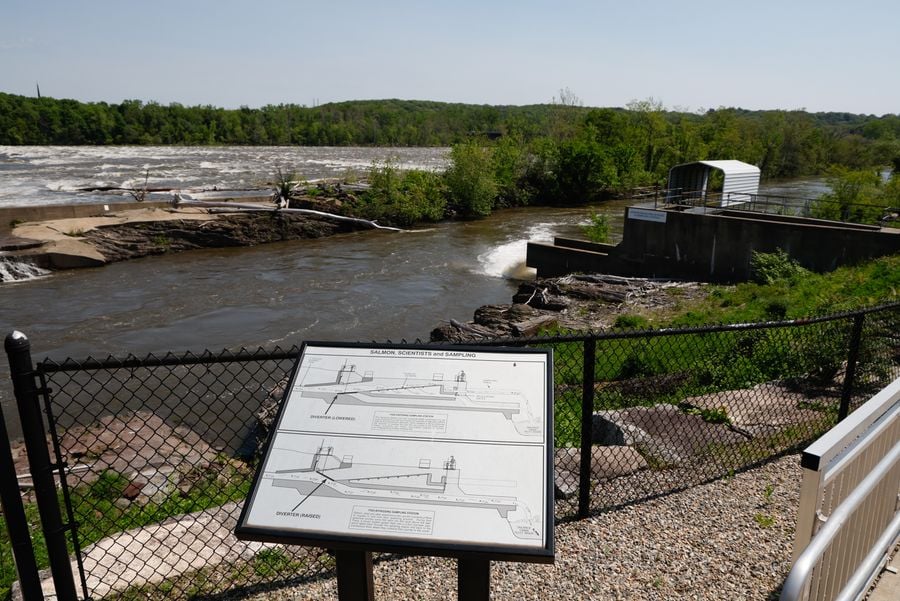
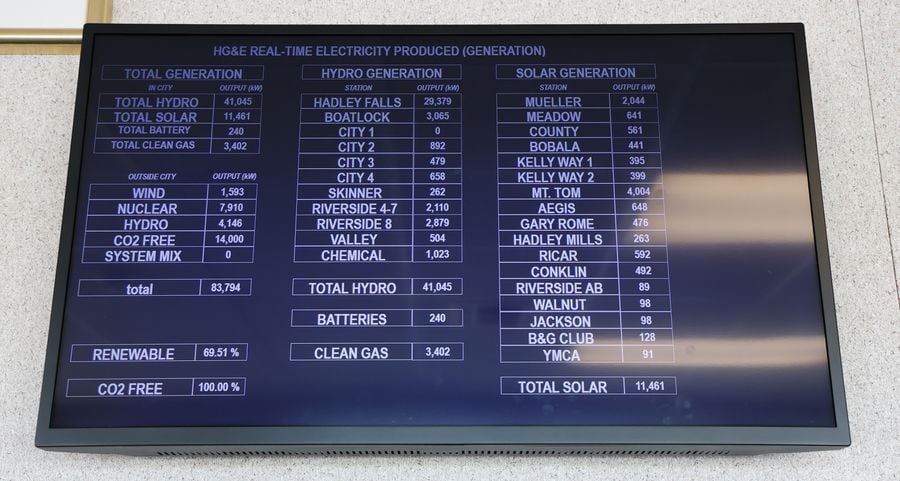
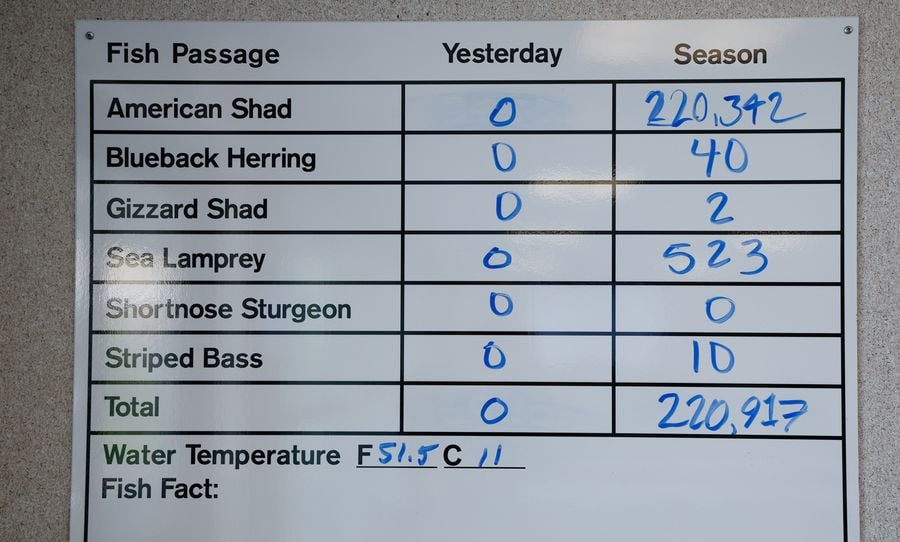
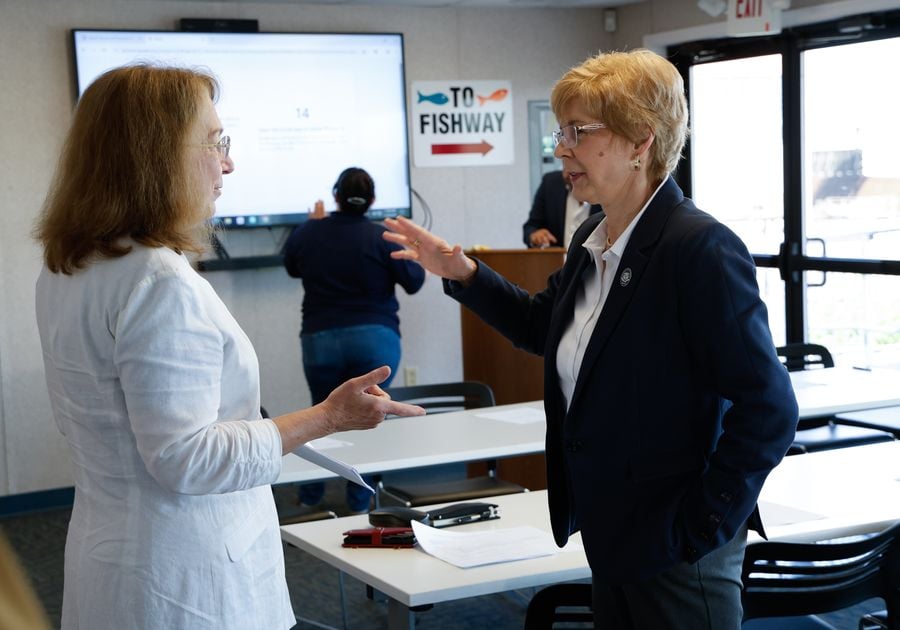
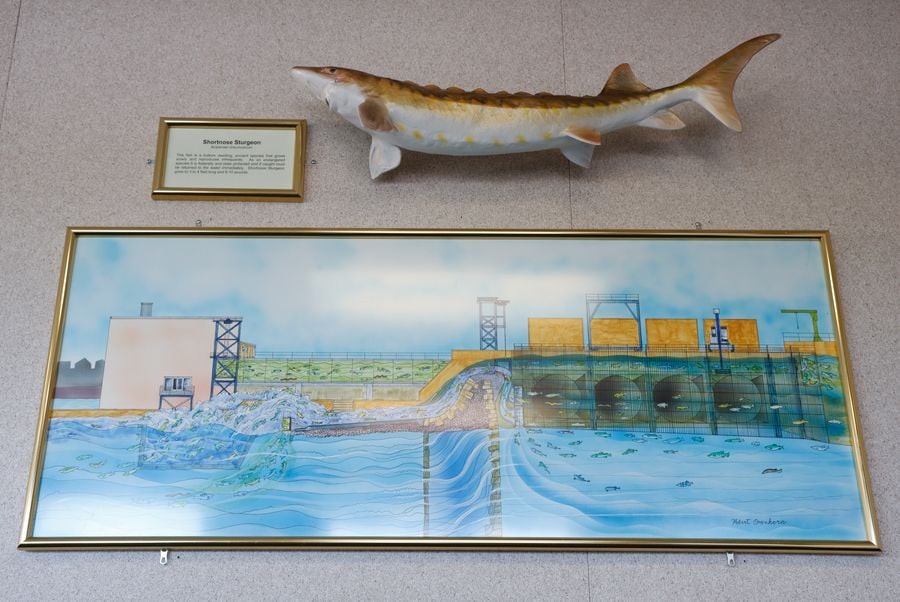
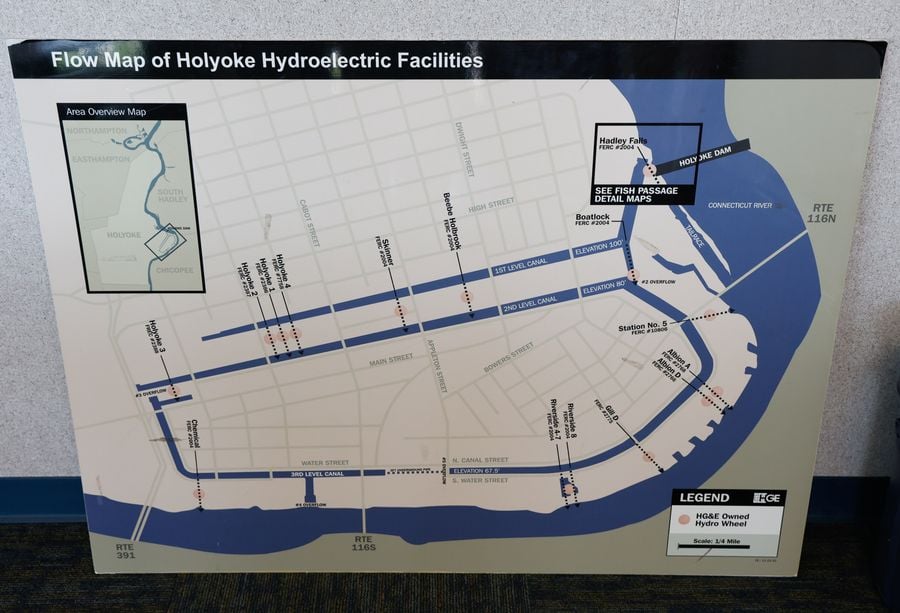
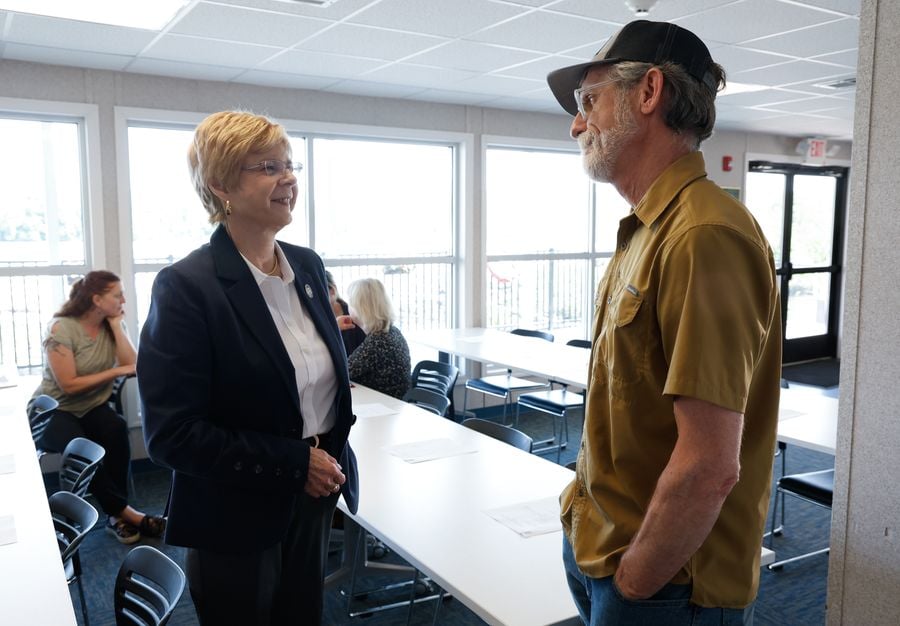
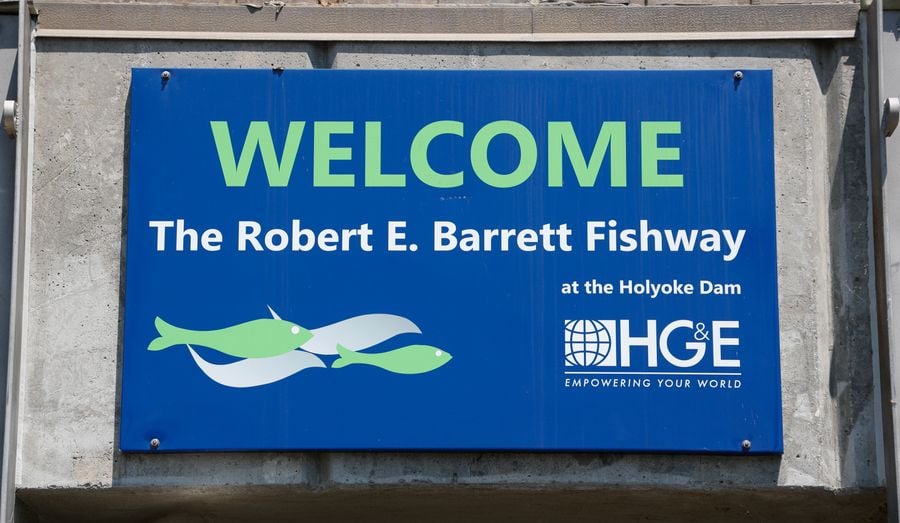
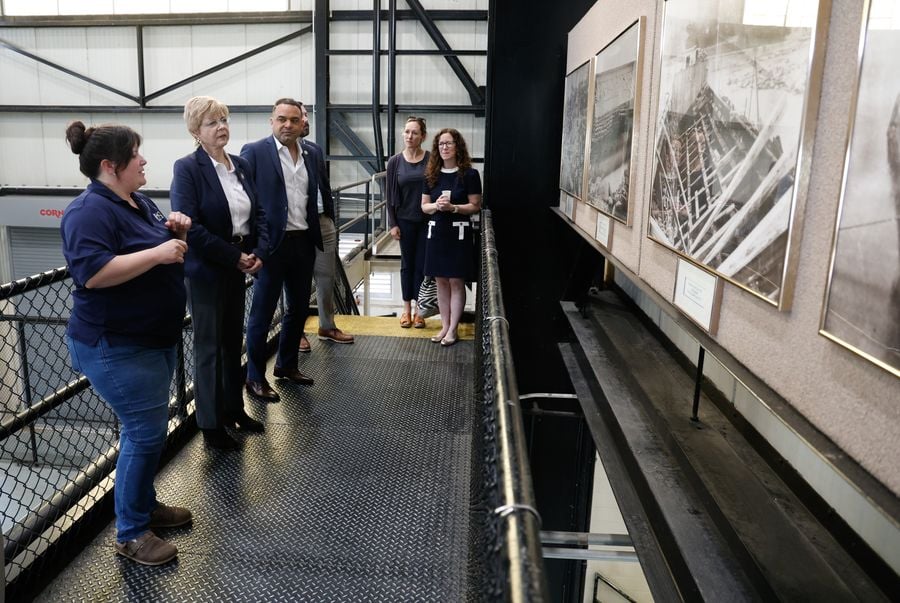
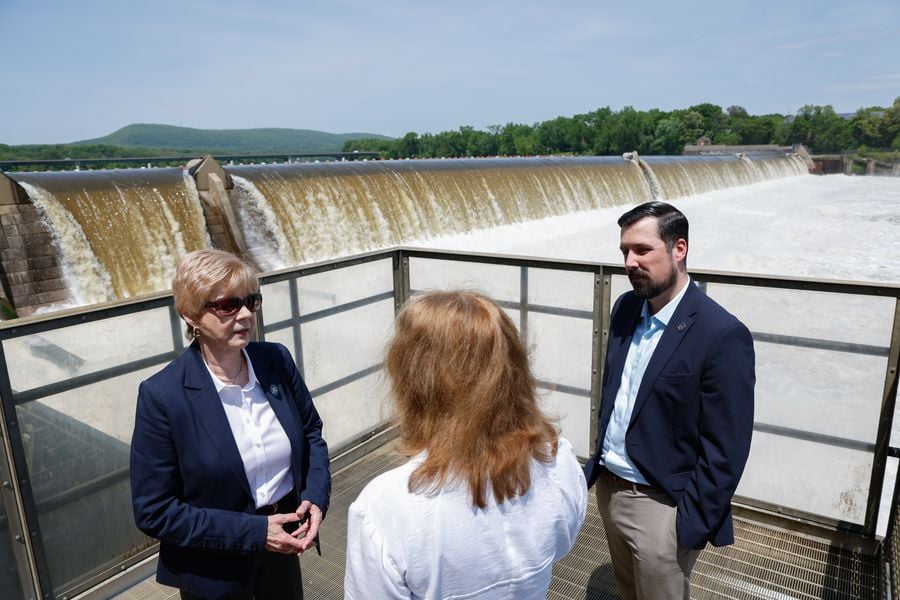
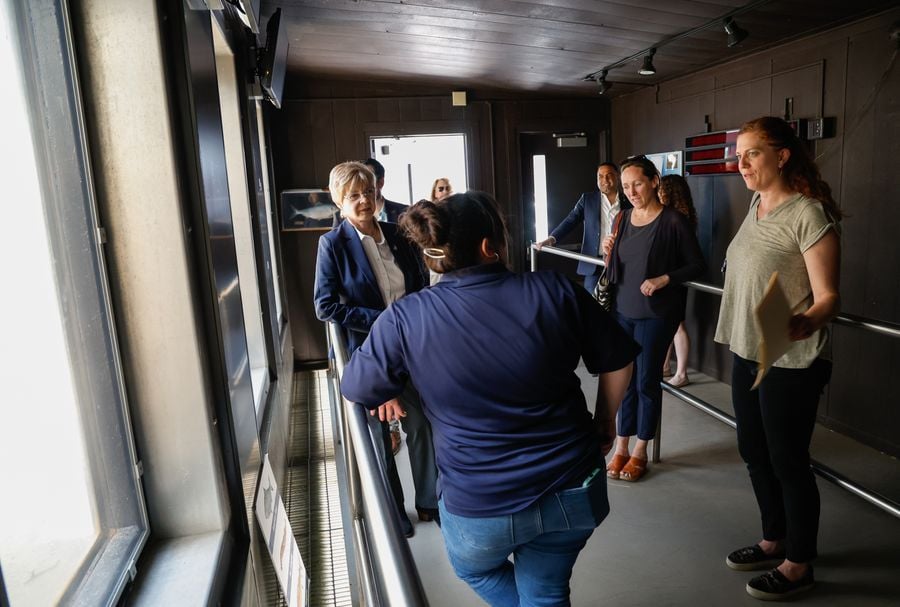
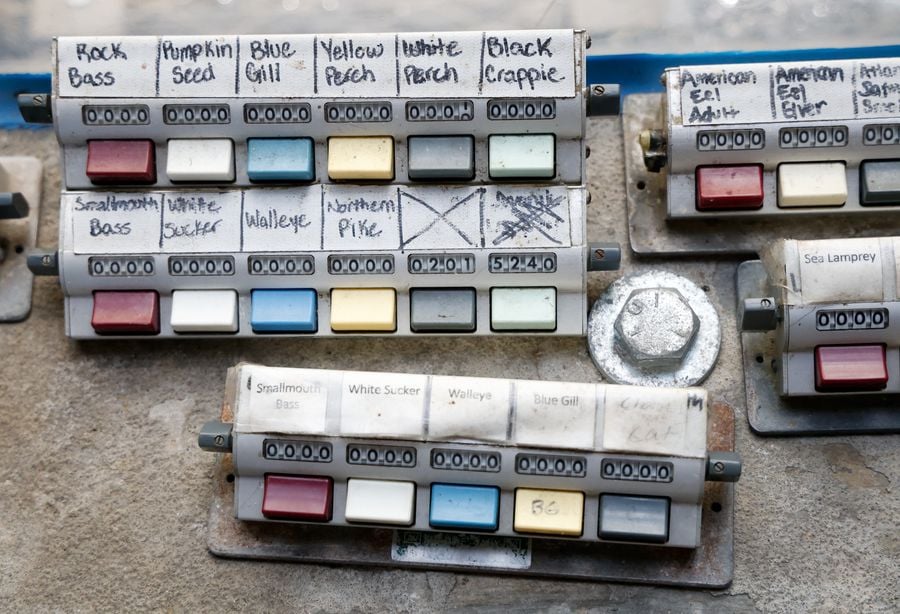
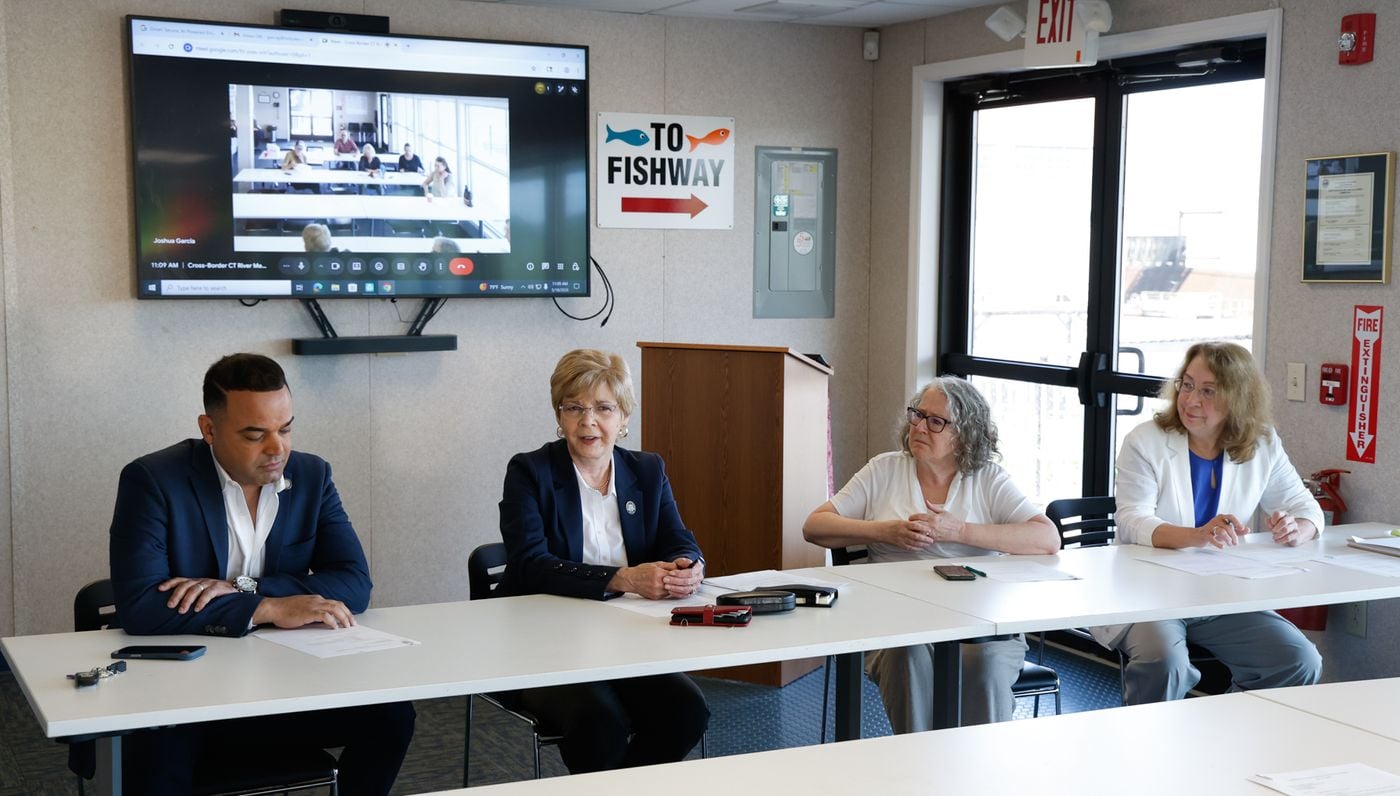
Continuing their dialogue to support the Connecticut River and eliminate combined sewer overflows from up-river communities, State Representative Tami Zawistowski (R-61), Holyoke Mayor Joshua Garcia, Massachusetts State Representative Pat Duffy, and concerned officials and conservationists met Monday at the Holyoke Dam to tour the Hadley Falls facility and the Robert E. Barrett Fishway.
"I want to thank Mayor Garcia and the experts from Holyoke Gas and Energy for providing an inside look at their impressive facility and showing us how they balance river and wildlife conservation while also generating power and providing other beneficial services to the community" Rep. Zawistowski said. “I’m encouraged by the progress our group has made so far to identify areas of concern and work on a pathway forward, but understand a project of this magnitude will take a considerable amount of time to implement fully. Ultimately, with pressure from our cross-border coalition, we’re hoping to see major changes within a decade - not a century.”
According to the U.S. EPA, when the amount of water runoff exceeds the capacity of combined municipal wastewater treatment systems, untreated stormwater and wastewater is discharged into nearby waterbodies creating a Combined Sewer Overflow (CSO). These CSOs are subject to the National Pollutant Discharge Elimination System (NPDES) permitting program.
With the understanding that significant public funding will be required for these projects, Representative Duffy noted that she is working to secure $10 million to be specifically used by the Pioneer Valley Planning Commission to study and combat combined sewer overflows (CSOs) from a larger Mass Ready Grant program. The group also discussed the possibility of accessing funding from similar grant programs related to flood resilience, and working with consultants to improve wastewater plants and systems.
With the goals of improving overall system performance, anticipating future needs including considering how best to recover vital natural resources, and ways to better treat bio solids to lessen the impacts on downstream communities, the group continues to engage with environmental groups and stakeholders to coordinate cleanup and recovery efforts.
In early 2025, in response to concerns from local fishermen and others, Connecticut Reps. Zawistowski and Devin Carney (R-Old Lyme), sent a formal letter to Environmental Protection Agency to request assistance to prevent up-river states from continuing to discharge sewage and other harmful substances into the Connecticut River. Those critical concerns, including the interstate water quality impact, public health risks, environmental justice, and the economic impact to tourism, recreation, and property values along the river corridor prompted these ongoing discussions.