
Latest News
Loading articles...
Loading photos...

State Representative
District
52nd
Towns
4
Latest Updates
Swipe through recent posts
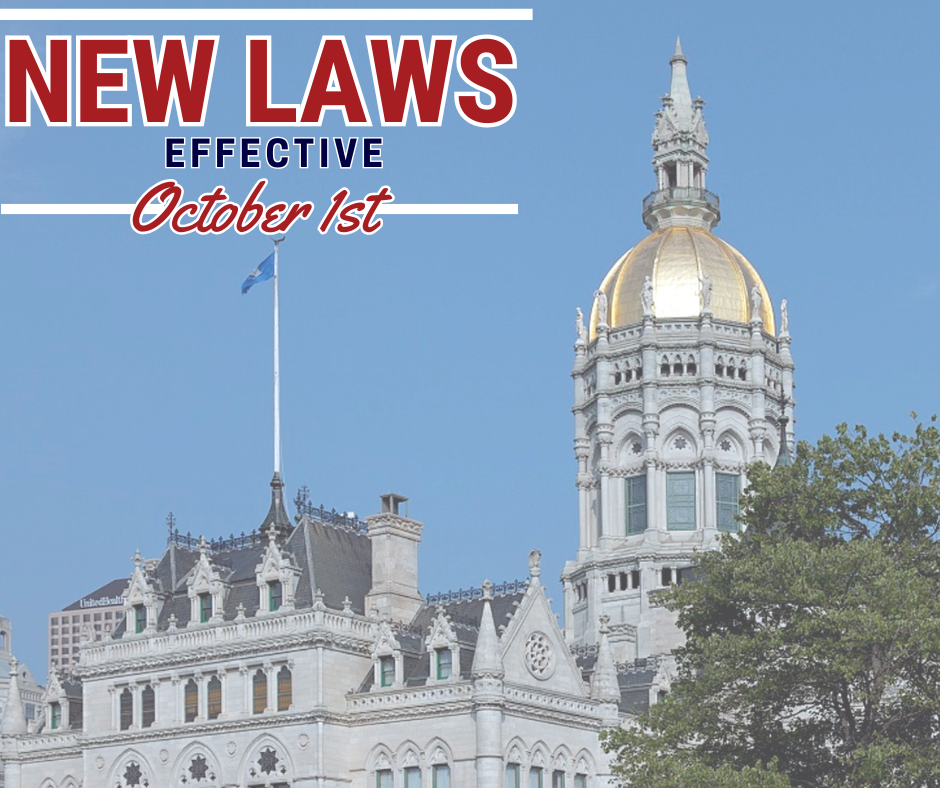
Hartford - Several new state laws will go into effect on October 1 and may be important to you, your family or your business. Our priority remains protecting public safety, supporting our veterans, and keeping state government accountable to taxpayers. Key legislative updates include: Enhanced Road Safety & Fines: Starting October 1, drivers face tougher penalties for certain violations. Distracted driving is now expanded to drivers who watch videos on their phones, and drivers who violate storm travel bans face an increase of fines to $250, among other changes. E-Bike Guidelines ( P.A. 26-24 ): Establishes an exact 750-watt motor limit for e-bikes, restricts Class 2 bikes on natural-surface paths without local authorization, and excludes dirt bikes and ATVs from e-bike classifications. Expanded Dental Care for Veterans ( P.A. 26-35 ): Under the Hero Act, eligible veterans can receive up to $3,000 per year for dental care. Consumer Privacy Safeguards ( P.A. 26-64 ): Among other changes, it prohibits a streaming video service from transmitting to a consumer commercial advertising audio that is louder than the video it accompanies, consistent with FCC regulations; makes violations a CUTPA violation. All new laws can be viewed by clicking here .
June is Alzheimer's & Brain Awareness Month, a time to raise awareness about Alzheimer's disease and the importance of maintaining brain health throughout life. Alzheimer's disease is the most common form of dementia, affecting memory, thinking, and behavior. While age is the greatest known risk factor, Alzheimer's is not a normal part of aging. Early recognition of symptoms can help individuals and families access support and care sooner. Supporting brain health can include regular physical activity, a nutritious diet, quality sleep, social engagement, and staying mentally active. These healthy habits may help reduce the risk of cognitive decline and improve overall well-being. This month also honors the millions of caregivers who provide support to loved ones living with Alzheimer's and other forms of dementia. Their compassion and dedication make a meaningful difference every day. During Alzheimer's & Brain Awareness Month, take time to learn about the disease, support those affected, and promote healthy habits that benefit brain health at every age. Resources: Connecticut's Guide for Navigating Dementia Care Alzheimer’s Association
The Connecticut General Assembly’s Office of Legislative Research has released its 2026 “Major Public Acts” report. It is an annual overview highlighting the most significant legislation enacted during this year’s legislative session. The report organizes new laws by policy area and provides a helpful summary of the changes that may affect Connecticut residents, families, municipalities, and businesses. I encourage you to take a look, as many of these updates could have a direct impact on your daily life or work. Click here to access the full report.

The season is officially underway at Stafford Motor Speedway! I recently attended the 2026 Spring Sizzler, where we had a blast interviewing drivers, spectators, and race fans while bringing you a first-hand look at one of the biggest racing events of the year. Join us as we go Behind the Vail at Stafford Motor Speedway! Check out the full episode by clicking below.
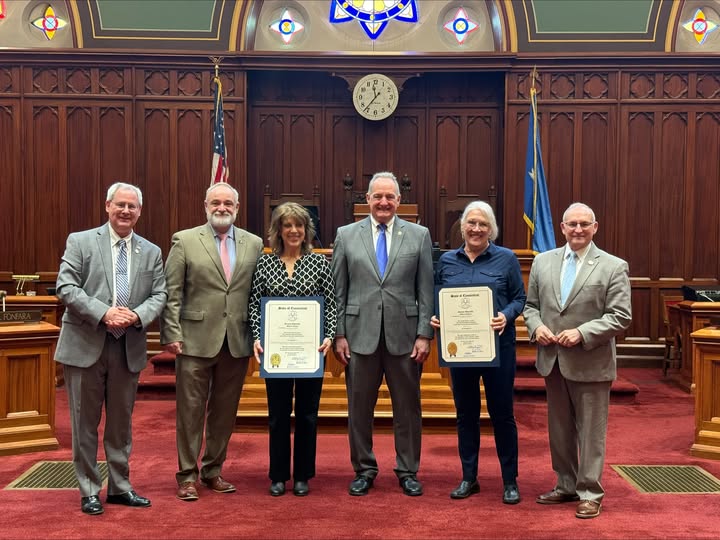
It was a privilege to join colleagues and state leaders in recognizing the remarkable careers of two dedicated Connecticut State Marshals at a recent citation ceremony held in the Senate Chamber. The event, graciously hosted by State Senators Gordon and Martin, highlighted decades of public service, professionalism, and commitment to the people of Connecticut. We proudly celebrate the retirements of Sharon Uhlman and Julianne Ingham, whose contributions have left a lasting impact on the communities they served. Sharon Uhlman, of Tolland County, will retire this June after approximately 37 years of distinguished service. Over the course of her career, she held several key roles, including Chief Deputy Sheriff, State Marshal, and member of the State Marshal’s Advisory Board. Her leadership and dedication have helped shape the standards and practices of the profession. Julianne Ingham, of Litchfield County, concludes an equally impressive career spanning 34 years. Her steadfast commitment and service have earned her the respect of colleagues and the gratitude of the communities she served. Both women exemplify the highest ideals of public service. Their careers reflect not only longevity, but also a deep sense of duty and integrity that has strengthened Connecticut’s justice system. We extend our sincere thanks to Sharon and Julianne for their many years of service to the State of Connecticut. As they begin this next chapter, we wish them all the best in their well-earned retirements.