
Rep. Pizzuto Hosts CT Department of Banking at Middlebury Senior Center for Financial Fraud Presentation

Key Takeaways
- Rep. Pizzuto eld Financial Fraud Bingo and forum with Connecticut Department of Banking
- Seniors urged to ignore unknown calls and avoid links from unknown texts
- Recommended verifying medical or Medicaid-related calls in person
- Advised against wiring money and to confirm emergencies directly with family
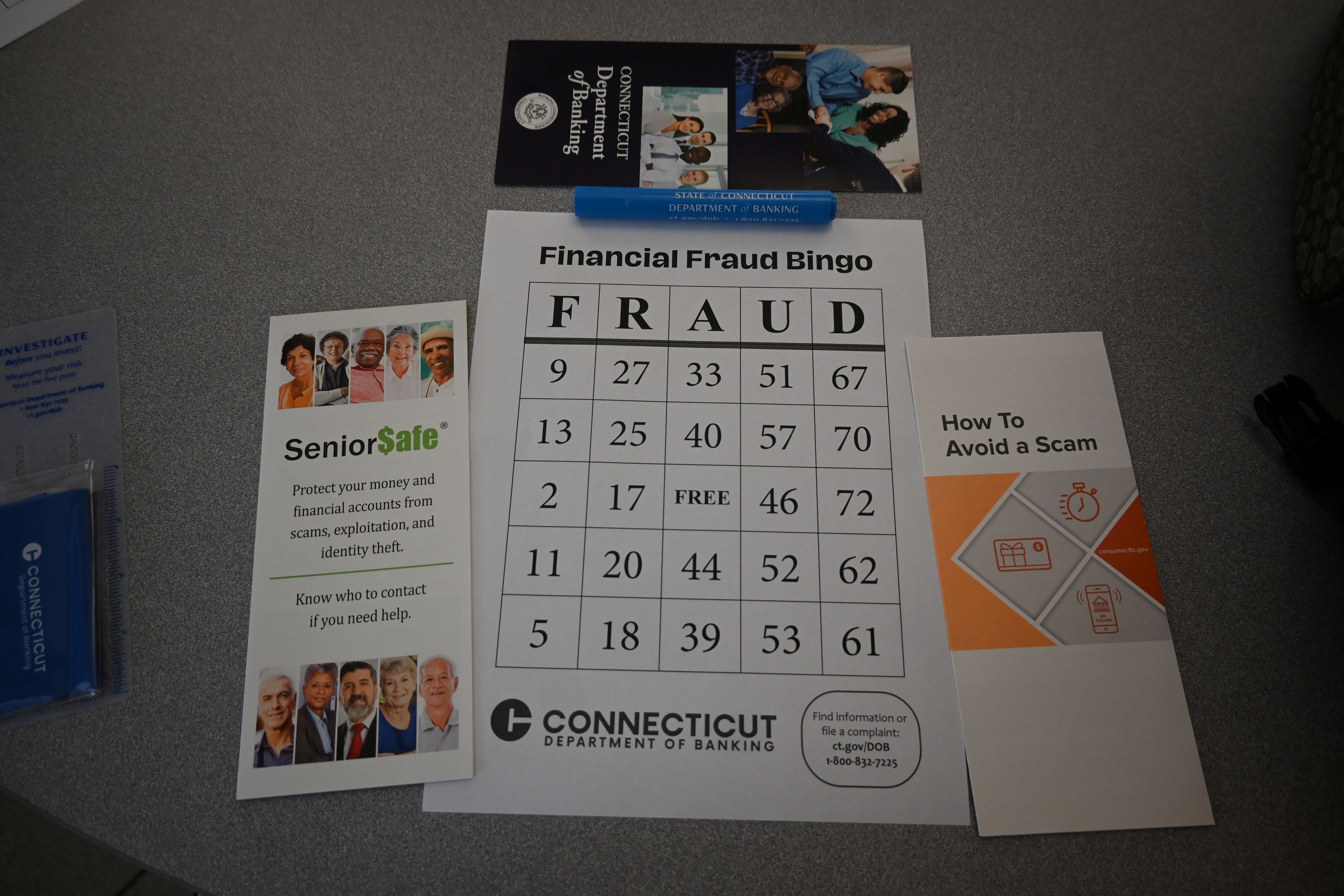
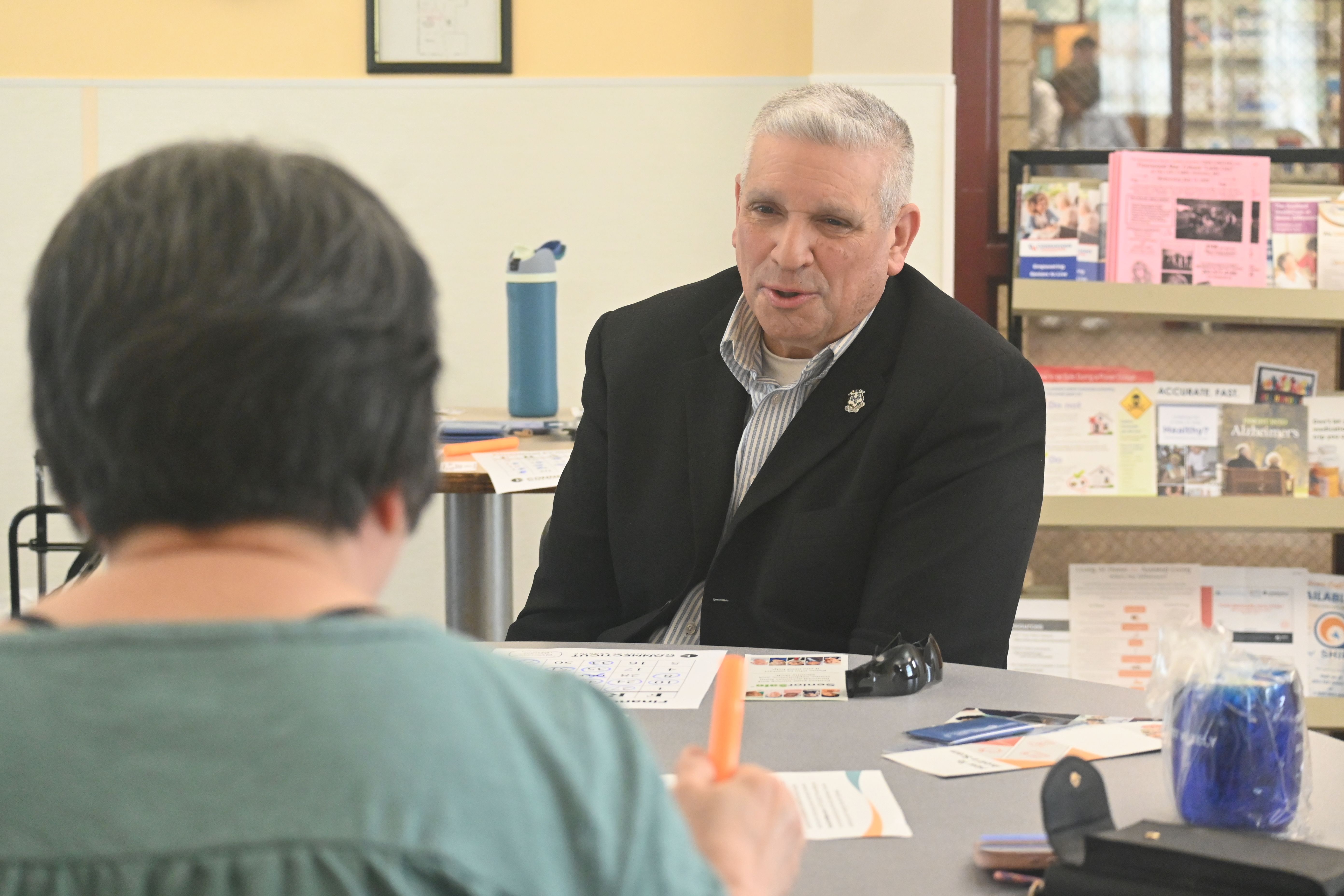
Middlebury, Conn.— An interactive forum on how to spot financial frauds was hosted at Middlebury Senior Center on Monday by State Representative William Pizzuto (R-71) and the Connecticut Department of Banking, which offers a Financial Fraud Bingo program as part of its educational outreach. Several residents attended the Financial Fraud Bingo game and forum.
“This was a great way to present a very serious topic, which can often be difficult to talk about. This advice was also good for people of all ages as the scammers change with the technology,” said Rep. Pizzuto. “It is especially important though for seniors to protect themselves and be aware of the different types of ways criminals are trying to get their hard earned savings.”
Connecticut is the 7th oldest state in terms of median age with the 3rd longest lived constituency. The Coalition for Elder Justice in Connecticut notes that a 2018 Securities and Exchange Commission report estimated that victims of elder financial abuse lose at least $3 billion a year, but because elder abuse of all types is generally under reported, that figure is likely much higher. In Connecticut the top three categories of scams reported are imposter scams, ID theft, and online shopping scams.
The Connecticut Department of Banking set up Bingo cards and with each number called, offered a different tip or insight on current banking fraud schemes circulating around the country.
Among the tips was to not answer calls from unknown phone numbers, have direct deposit for Social Security or similar income so a paper check isn’t stolen out of a mailbox, and to never click a link included in a text message from an unknown number asking to verify information.
“One tip I especially appreciated was that if someone claims to be from your doctor’s office and they’re moving records or billing to a different platform, don’t confirm unsolicited information. You don’t give your Medicaid number at the office, you hand it to the receptionist, so don’t give it out over the phone. If you’re unsure if the call is legitimate, tell them you’ll update your information in person at your next appointment,” said Rep. Pizzuto.
Seniors are often the targets of family emergency scams, nicknamed “the grandparent scam,” and seniors were reminded to act with their heads and not just their hearts.
If someone instructs you to wire or transfer money, the State Department of Banking representative noted that the scammer might instruct you to say to the teller that the money is for construction because the banks are training employees to spot ‘grandparent scams’ if the money is needed for a grandchild.
Scammers may know names, relationships, or other details that they can easily find on social media. To avoid falling victim, Pizzuto suggested calling the family member directly to verify if there’s an actual emergency, or to come up with a password to ask for that only family members would know and to be wary of oversharing on social media.