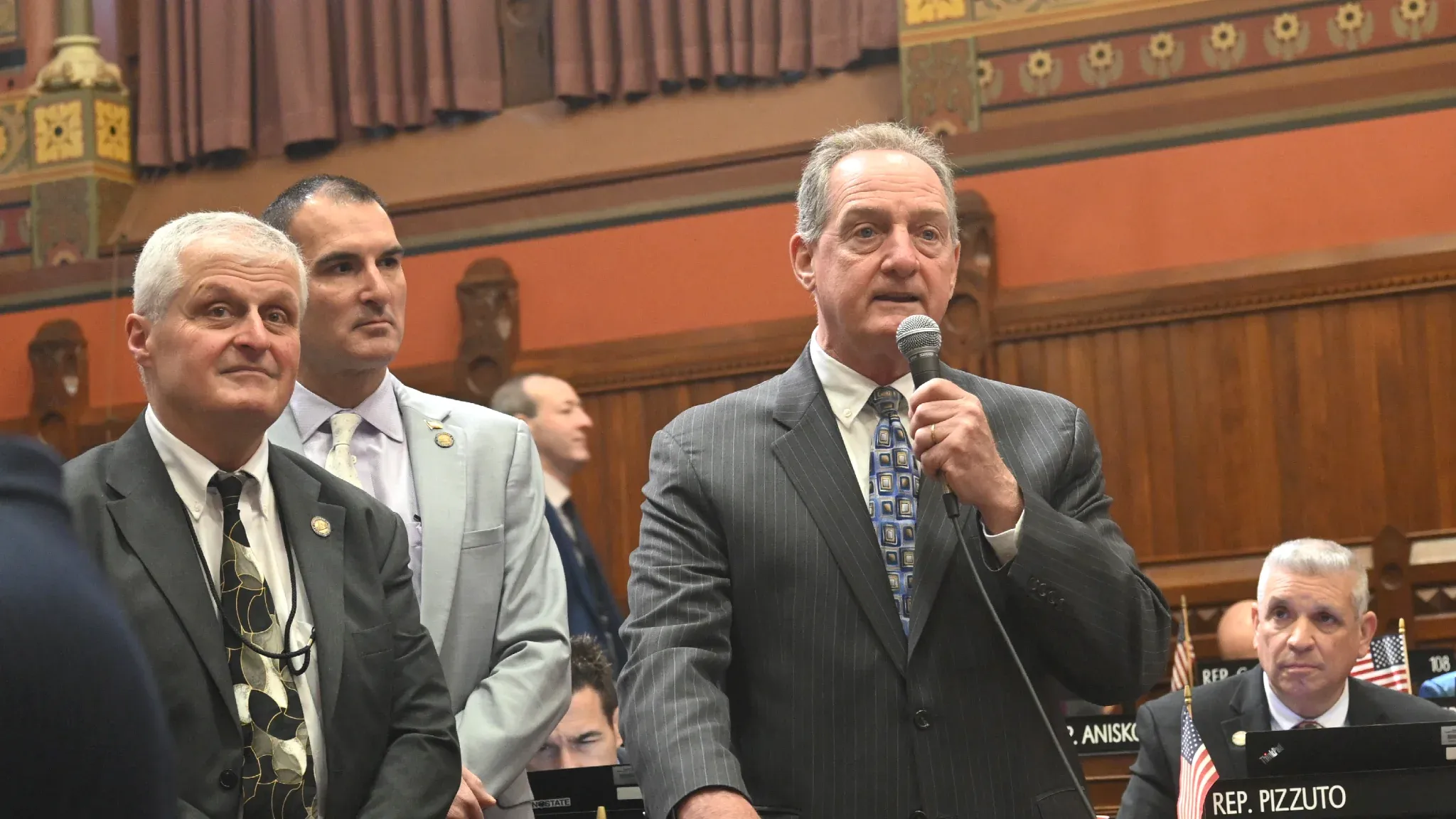
Latest News
Loading articles...
Loading photos...
.png)
State Representative
District
76th
Towns
4
Latest Updates
Swipe through recent posts
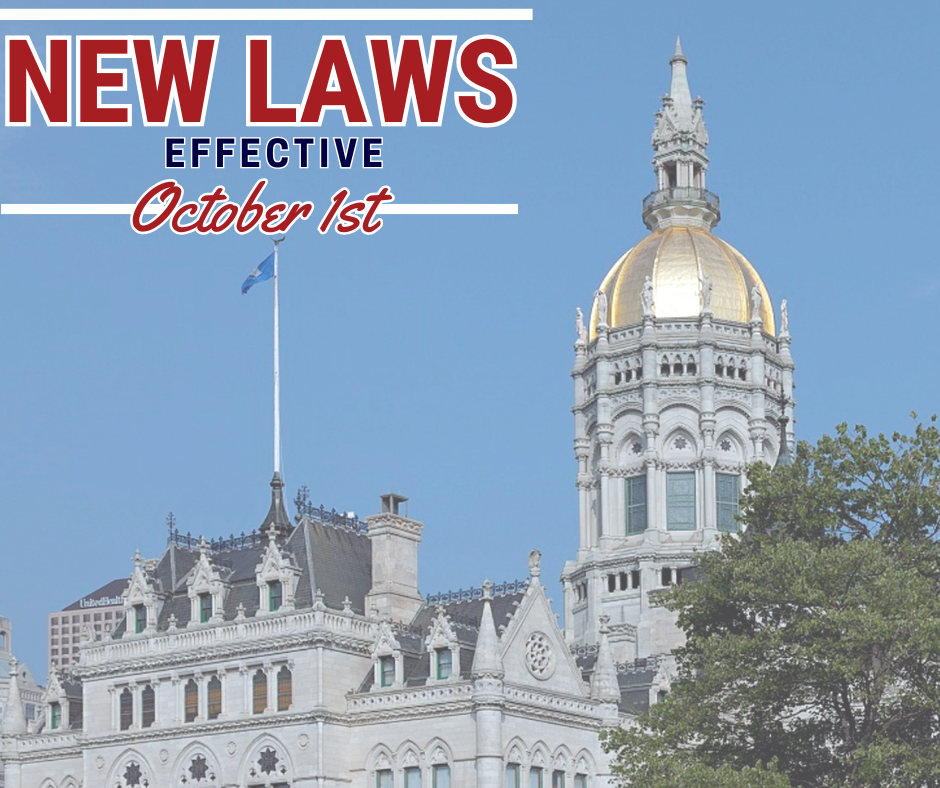
Hartford - Several new state laws will go into effect on October 1 and may be important to you, your family or your business. Our priority remains protecting public safety, supporting our veterans, and keeping state government accountable to taxpayers. Key legislative updates include: Enhanced Road Safety & Fines: Starting October 1, drivers face tougher penalties for certain violations. Distracted driving is now expanded to drivers who watch videos on their phones, and drivers who violate storm travel bans face an increase of fines to $250, among other changes. E-Bike Guidelines ( P.A. 26-24 ): Establishes an exact 750-watt motor limit for e-bikes, restricts Class 2 bikes on natural-surface paths without local authorization, and excludes dirt bikes and ATVs from e-bike classifications. Expanded Dental Care for Veterans ( P.A. 26-35 ): Under the Hero Act, eligible veterans can receive up to $3,000 per year for dental care. Consumer Privacy Safeguards ( P.A. 26-64 ): Among other changes, it prohibits a streaming video service from transmitting to a consumer commercial advertising audio that is louder than the video it accompanies, consistent with FCC regulations; makes violations a CUTPA violation. All new laws can be viewed by clicking here .

(Burlington, CT)- Burlington's Public Works director Scott Tharau has retired after 40 years of hard work and dedication. State Representative John Piscopo has recognized and thanked Tharau for his service to Burlington and wished him a happy retirement. Tharau was responsible for maintaining Burlington's infrastructure, overseeing utility operations, emergency and disaster response, budgeting and contracting, and maintaining streets. Through the years, Tharau became a respected public servant and a great asset to the town, helping to keep Burlington safe. “Those who live in Burlington have had the peace of mind of having a guy like Scott at the helm throughout storms, emergencies, power outages and just taking care of our parks and grounds,” stated Rep. Piscopo. “It is always a pleasure to be in his company. I wish him a long, happy, healthy retirement.”
June is Alzheimer's & Brain Awareness Month, a time to raise awareness about Alzheimer's disease and the importance of maintaining brain health throughout life. Alzheimer's disease is the most common form of dementia, affecting memory, thinking, and behavior. While age is the greatest known risk factor, Alzheimer's is not a normal part of aging. Early recognition of symptoms can help individuals and families access support and care sooner. Supporting brain health can include regular physical activity, a nutritious diet, quality sleep, social engagement, and staying mentally active. These healthy habits may help reduce the risk of cognitive decline and improve overall well-being. This month also honors the millions of caregivers who provide support to loved ones living with Alzheimer's and other forms of dementia. Their compassion and dedication make a meaningful difference every day. During Alzheimer's & Brain Awareness Month, take time to learn about the disease, support those affected, and promote healthy habits that benefit brain health at every age. Resources: Connecticut's Guide for Navigating Dementia Care Alzheimer’s Association

Thomaston - State Rep. John Piscopo recently visited students at Black Rock Elementary School to share a short story with them. "I had a great time visiting the first-grade class at Black Rock Elementary in Thomaston this morning! It was a pleasure reading with the students and talking about my role as a State Representative," said Piscopo. "I especially enjoyed seeing them connect their Social Studies lessons on the American Revolution and the creation of our government to the work we do today. Thank you to the teacher and students for the warm welcome!" ###
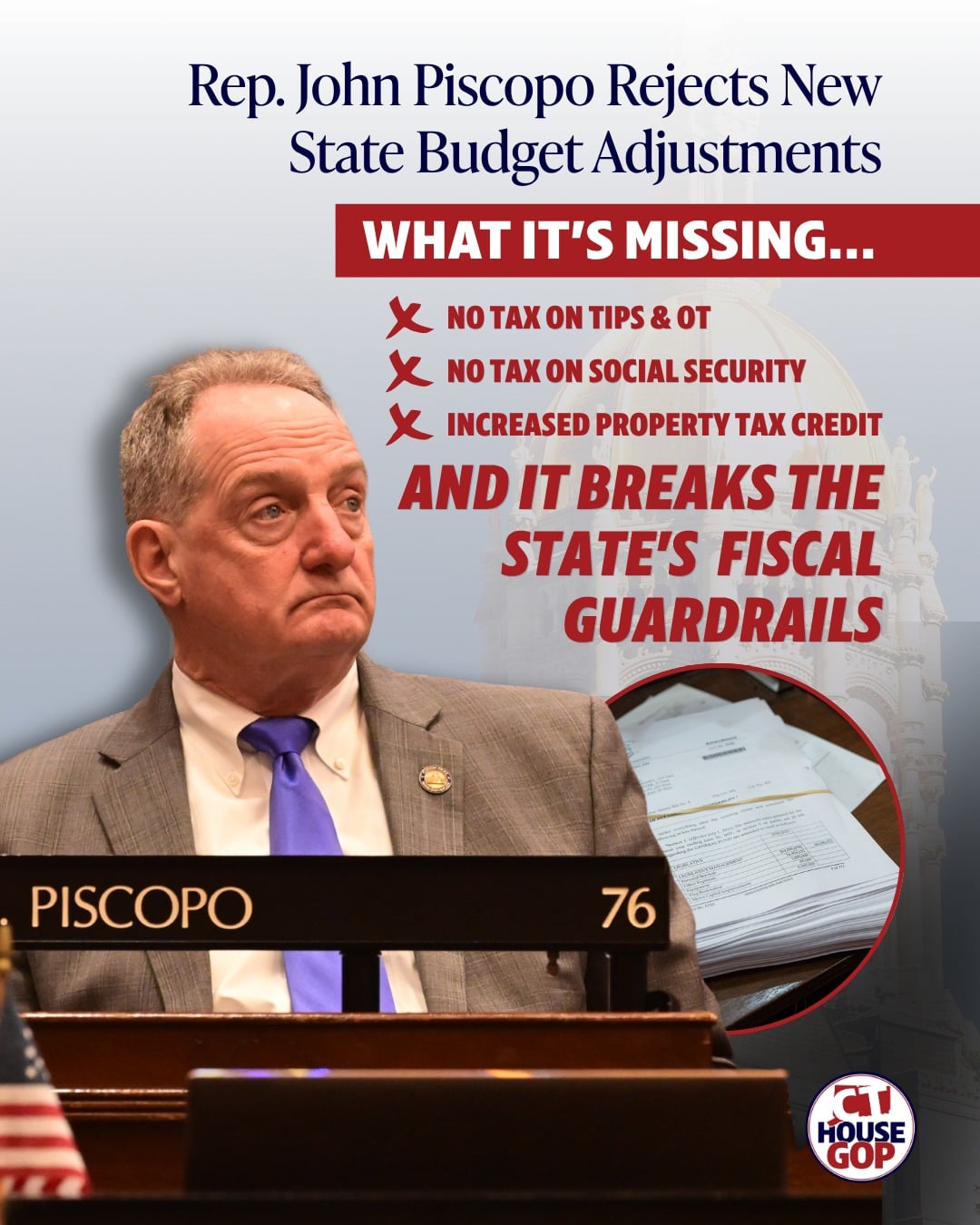
As the Connecticut General Assembly wrapped up its 2026 legislative session on Sine Die in Hartford, State Representative John Piscopo voiced serious concerns about the recently passed budget adjustment legislation. While acknowledging that the package contained a few positive elements, Piscopo said the overall proposal fails to address the state’s long-term financial challenges and instead moves Connecticut closer to a potential fiscal cliff. “The legislation relies heavily on one-time expenditures that primarily benefit larger cities, while committing the state to ongoing spending that will be difficult to sustain in future years,” Piscopo said during debate on the House floor. Piscopo also criticized the rushed legislative process surrounding the bill. Lawmakers received the more than 700-page budget document only hours before the vote, leaving little opportunity for a thorough review or detailed analysis before final passage. During debate, House Republicans proposed amendments aimed at providing tax relief and implementing structural fiscal reforms. According to Piscopo, both proposals were rejected along party-line votes. Another major point of concern, Piscopo noted, was that the budget adjustment package does not fully adhere to Connecticut’s fiscal guardrails — policies designed to promote responsible budgeting and long-term financial stability. “You deserve a more responsible plan,” Piscopo said. “One that prioritizes sustainable spending, protects taxpayers, and avoids creating uncertainty for future budget cycles.” The debate marked one of the final major actions of the legislative session as lawmakers adjourned for the year.
Towns Served