
McGORTY OPPOSES BUDGET WITH MASSIVE TAX HIKES
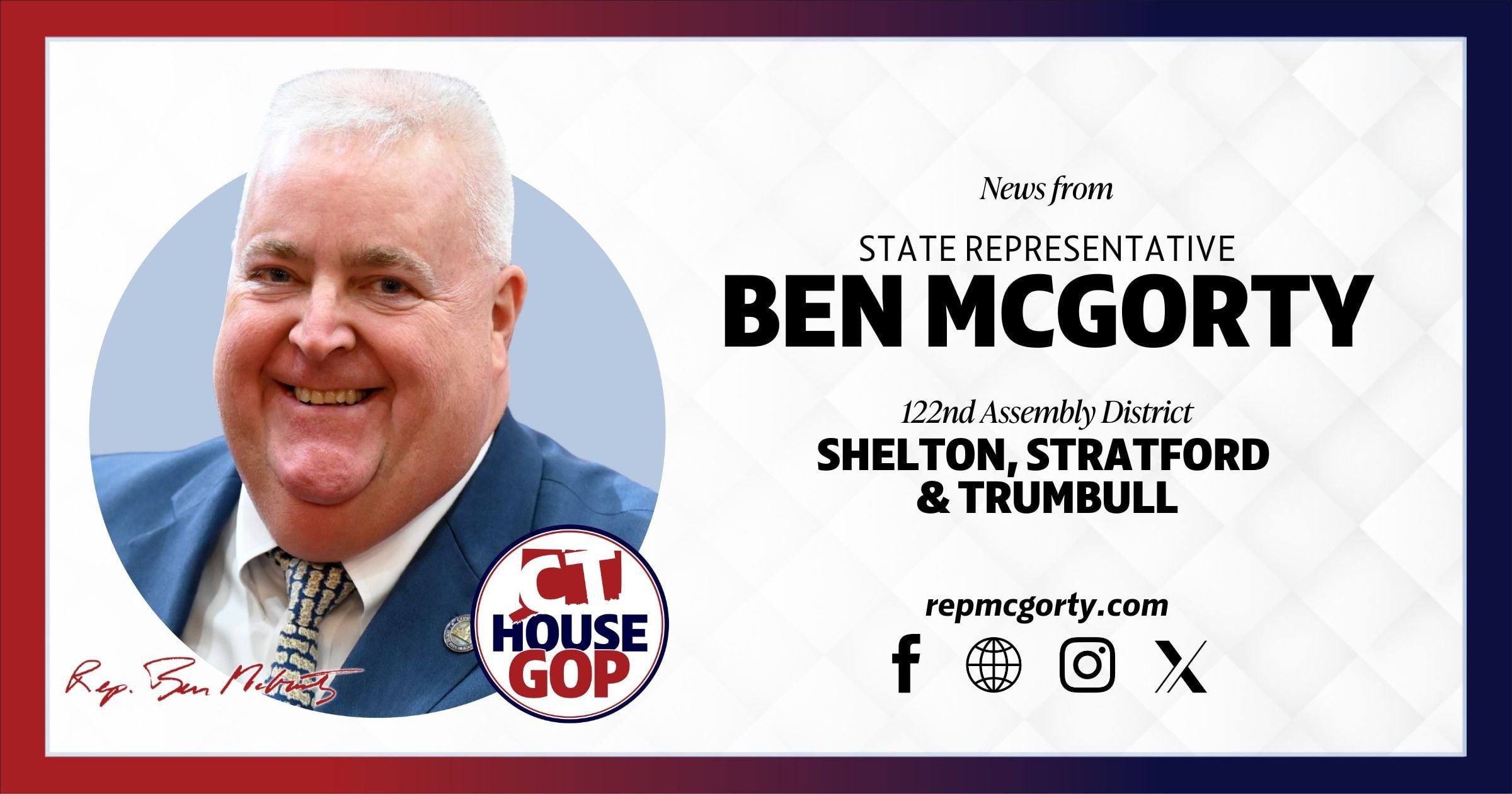
State Representative Ben McGorty (R-122) cast his vote this morning against a state budget that increases state spending, unfairly and unnecessarily raises taxes on the middle class and hampers businesses across Connecticut. Debate on the budget, which was the result of negotiations between Governor Dannel P. Malloy and majority Democrats, began around 5:30 a.m.
The spending and tax package, which passed narrowly by a vote of 73-70 in the House without a single Republican vote, raises taxes on hard-working Connecticut families and businesses by more than $1.5 billion.

“This budget continues Connecticut further and deeper down the destructive path it has been on,” said Rep. McGorty. “It doesn’t protect the middle class – it’s an assault on them. We demonstrated earlier in the session with our alternative budget proposal that there are other ways to balance the state’s budget, while bringing spending under control and not raising taxes. Today the Democrats chose once again to pass the burden of bloated government to the working families of the state.”
The budget also includes total income tax increases of $442.2 million over two years by increasing the tax rate on personal income, reducing the property tax credit from $300 to $200 in the budget’s second year, which impacts every homeowner in the state and comes on the heels of a previous reduction from $500 to $300 in 2011.
Additionally, the budget also repeals the clothing and footwear exemption which disproportionately affects the low and middle class, and maintains the state’s 6.35% sales tax despite earlier reports that rate would be reduced as an offset to the loss of the clothing exemption.
Of the $1.5 billion in new taxes, $475 million come from wiping out previously scheduled tax cuts for shoppers, businesses, insurance companies and the working poor before they even had a chance to take effect.
Other important parts of the budget include:
- General fund (state) spending for Fiscal Year 16 is $784 million more than current year.
- Busts through the constitutional spending cap.
- Underfunds debt service, which will require more premiums and cost the state more in the long run
- No attempt to make up unachieved SEBAC savings from governor’s plan
- Does not include funding for the GAAP liability over the next two years, one of Malloy’s top priorities
The budget now heads to the State Senate for action there. The session adjourns at midnight, tonight.