
OPINION: Rep. Carney comments on the budget
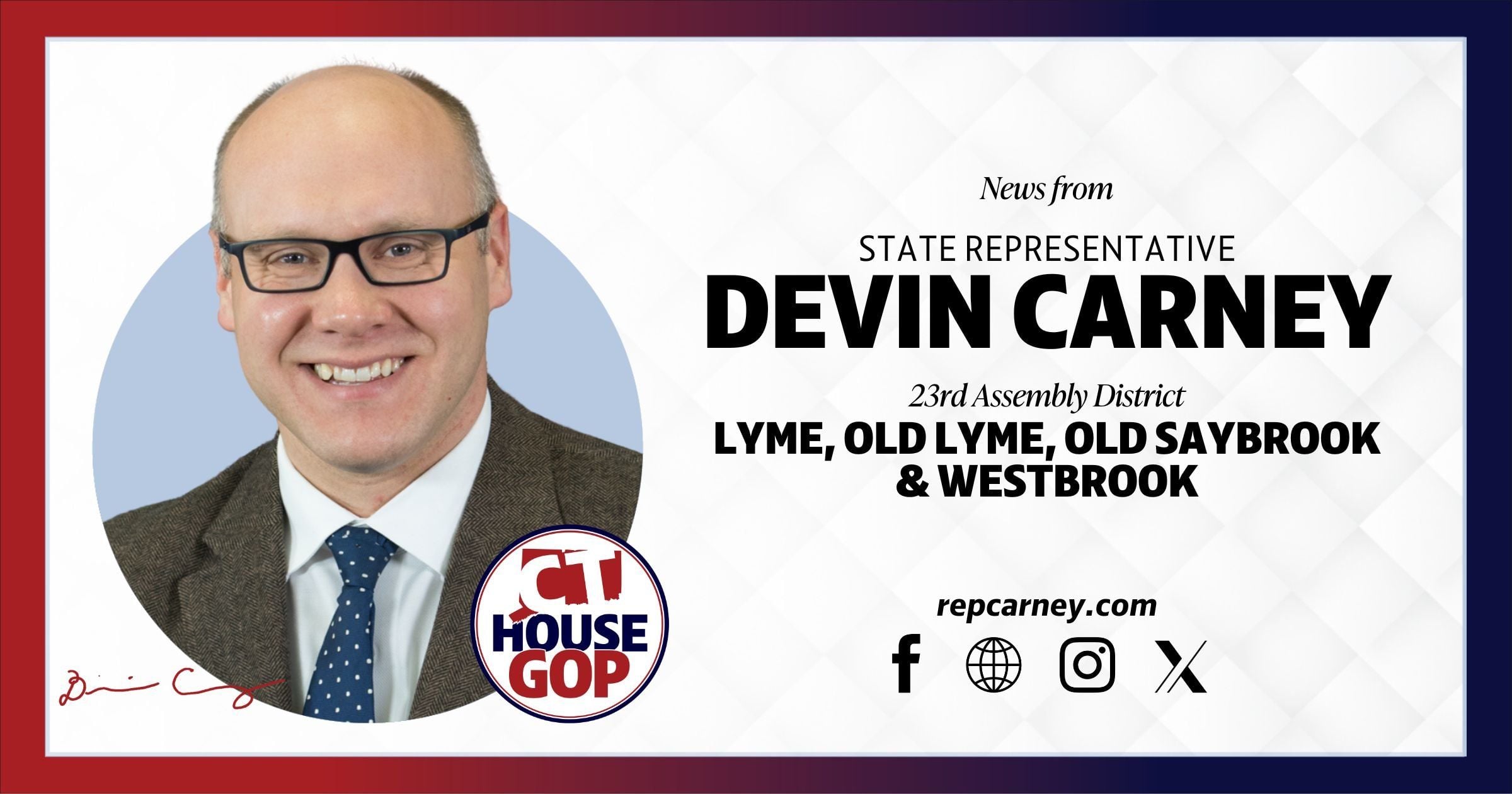
At around 5:30 a.m. on June 3, after pulling a legislative all-nighter, the budget was called. By 10:30 a.m., it was clear that I would not support the budget for the biennium starting July 1, 2015 and ending June 20, 2017. The budget provides for strong investment into our broken transportation infrastructure, but also creates new and increased taxes and spending, of which the people of Connecticut should not endure in these trying times.
The budget increases spending by $784.5 million over fiscal year 2016 (July 1, 2015 – June 30, 2016) and increases taxes $1.5 billion over the biennium. The middle class will take a hit as property tax credits and phase-out thresholds will be reduced. In addition, computer and data processing services will be taxed at a higher rate (from 1 percent to, eventually, 3 percent), which will increase the costs of downloading software. There are three areas, though, that I would like to highlight based on constituent inquiries.
First off, the budget increases taxes on medical care – most notably hospitals and outpatient surgery. Hospital taxes will increase by $207 million per year and, under the provider tax agreement, hospitals are due to receive $161 million of that back. However, under the 2011 provider tax agreement, hospitals were also due back taxes paid to state government, yet only received a fraction of them. Increases in hospital taxes could drive up hospital costs, force hospitals to lay off employees, or worse, cause smaller hospitals to close. In addition to these taxes, ambulatory surgical centers (outpatient surgery) will now be taxed at 6 percent.
Second, many constituents contacted me regarding the Community Investment Act (CIA), which comes from fees collected on real estate transactions and goes to areas that enrich our community such as open space, farm land, and historic preservation. Under the budget, over $20 million will be repurposed from the CIA fund into the General Fund. This means that it will be more difficult to purchase and/or keep up places such as trails and historic buildings.
Finally, Connecticut will soon allow Keno gambling. Keno is essentially video bingo that is played for money in convenient stores, bars, and restaurants. In a survey sent to constituents, over 70 percent disapproved of Keno with only around 10 percent were in favor (20 percent were unsure), therefore I opposed this measure. According to the Connecticut Lottery Corporation, Connecticut will not see any real gains from Keno for several years and 25 percent of all Keno revenue must be given to the Mashantucket Pequot and Mohegan tribes. To me, Connecticut should not be focusing on improving its economy on the backs of gamblers, but rather on innovation, business, and technology.
The governor promised the people of Connecticut that taxes were not going to be raised, yet he reneged on that promise with this budget. The focus should have been on cutting spending by consolidating or eliminating unnecessary and/or duplicative departments, not creating a façade of lower spending by removing long-term pension debt from the Constitutional Spending Cap definition. The focus should have been on changing the pension plans for new state employees from a defined benefit to a defined contribution similar to that of the private sector, not on taxing private sector businesses and hospitals more. The focus should have been on enticing companies to come to Connecticut and create jobs, not on causing GE, Travelers, and Aetna to re-think their future.
We are at a crossroads in Connecticut and I have spoken to many people who have simply had enough and are moving to states such as Florida and South Carolina. But, we cannot improve until we get our fiscal house in order – something this budget doesn’t accomplish. The out years of this budget all have projected deficits, which will mean we could be back in this situation in two years. Something’s gotta give.