
Rep. Buchsbaum Defends Local Control, Stands Against Mandates
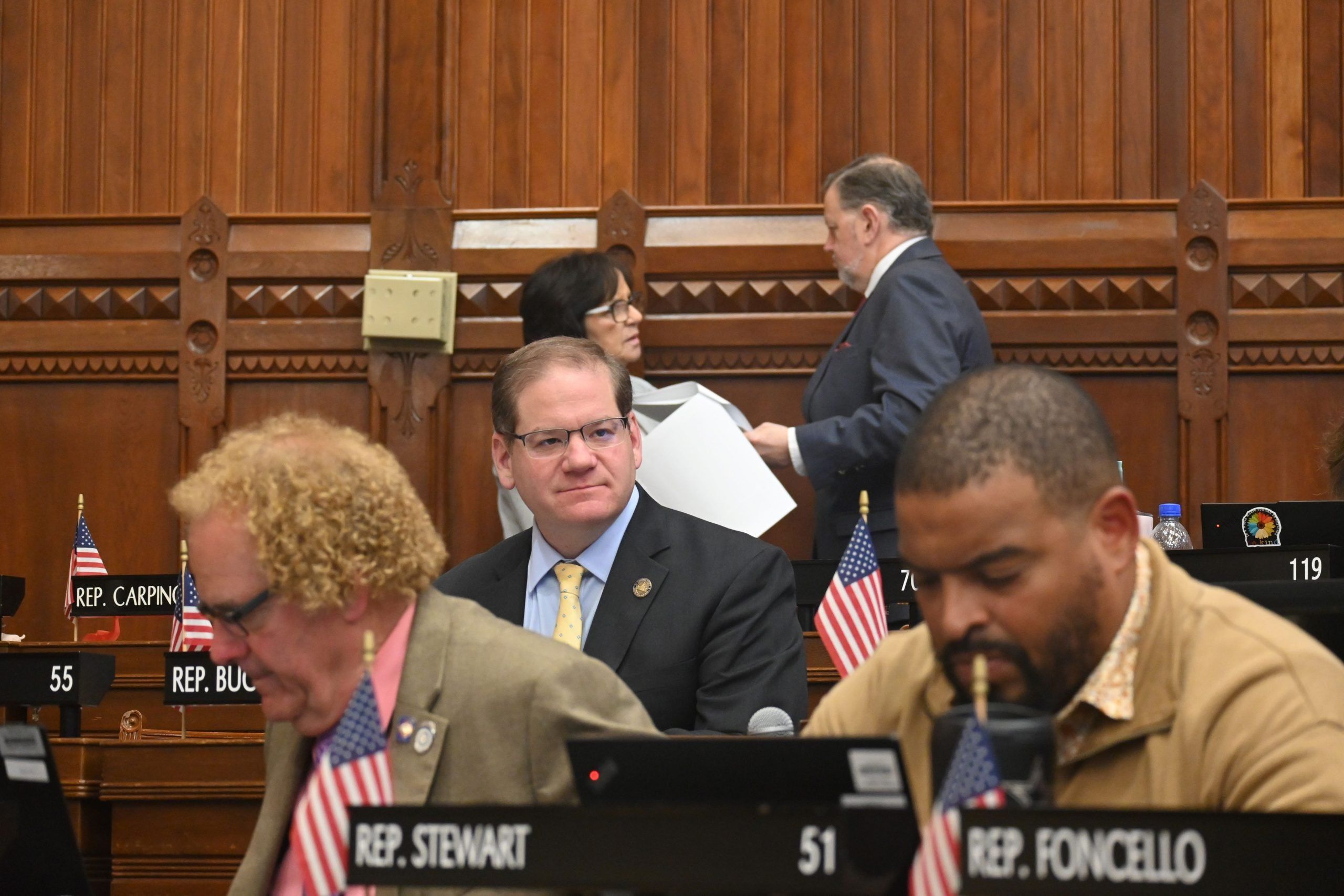
HARTFORD- State Representative Jason Buchsbaum (R-69) voted against a massive housing proposal which overhauls Connecticut housing law and erodes local control of municipalities.
The omnibus housing and zoning legislation, House Bill 5002, An Act Concerning Housing and The Needs Of Homeless Persons, would force towns to meet arbitrary and unrealistic “Fair Share” housing quotas for each town, regardless of infrastructure, land, or community concerns. The bill requires town zoning regulations to allow for as of right conversion of commercial lots for certain residential development, weakens local zoning authority by prohibiting towns from setting minimum parking requirements on certain housing developments, and rewards developers with attorney fees in certain circumstances in 8-30g appeals. Additionally, the bill mandates fair rent commissions in towns over 15,000 people, a potential unfunded state mandate. The 90 plus page legislation includes a number of other concerning measures which circumvent local zoning and impede upon local control.
“Hartford should not be mandating zoning requirements onto our towns and I see this bill as an attack on local governance,” said Rep. Buchsbaum. “It sets up arbitrary and unrealistic requirements and amounts to another mandate which will negatively impact our small towns.”
This bill’s unrealistic housing requirements could force the construction of thousands of units throughout the 69th district under the state’s Municipal fair Share Allocation.
“It’s concerning that a 90 plus page housing bill was made public with limited time to review all 47 provisions, some of which did not even receive a public hearing. It combined various bills and sidestepped normal procedural requirements for consideration of legislation. This flawed process compounds the substantive problems with the bill,” noted Rep. Buchsbaum.
House Republicans offered many amendments that would have alleviated the concerns surrounding intrusion upon municipal governance and local zoning. The majority rejected those proposals.
Despite bipartisan opposition to the overall bill, it passed the House after an 11-hour debate and now heads to the State Senate for further debate and a vote.
###