
Rep. Zullo – Comments on Passage of $15 Minimum Wage:
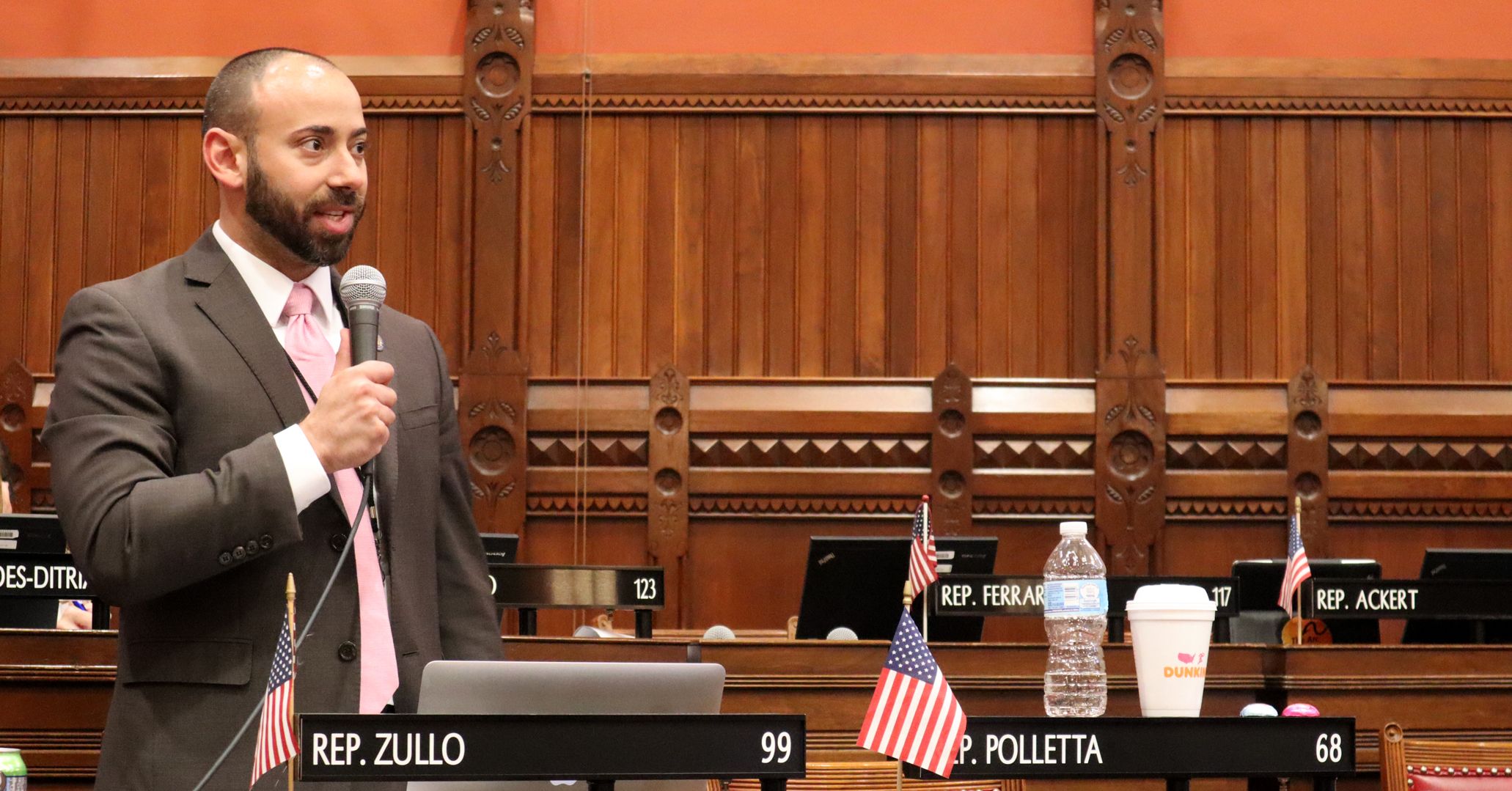
HARTFORD – State Representative Joe Zullo released the following statement regarding the passage House Bill 5004, which will increase the minimum wage to $15.
“Today’s vote on mandating a 49% increase of the State’s minimum wage to fifteen dollars per hour over the next four and a half years was both difficult and disappointing, mostly because of the fiscal implications that were ignored in its passage,” said Rep. Zullo. “After nearly ten hours of debate, I expressed my support for the social and equitable considerations underpinning the proposal. At my core, I am deeply empathetic to those who feel that increasing the minimum wage will be a gateway to a more dignified, stable way of life for tens of thousands of workers across the State.
However, I also understand that mandating every employer to pay fifteen-dollar minimum wage, including every small business and every municipality in the State of Connecticut, will shutter small businesses, cost thousands of people their jobs to automation, and strain already stretched municipal budgets.”
This mandate will incentivize businesses to accelerate the automation of jobs – replacing humans with self-checkout machines, robots, and other technology that, thanks to this legislation, will soon be more economically feasible than paying fifteen-dollar minimum wage. This mandate will also force businesses that cannot automate to cut down their staffs and reduce workers’ hours, leading to layoffs and reduced salaries for the very people this legislation aims to help.
During my campaign, I promised to engage in an honest discussion about raising the minimum wage. In engaging in that discussion during a 26-hour session, I voted in favor of seven amendments that would have raised the minimum wage to fifteen dollars while making careful “carve-outs” that would lessen the fiscal impact of this legislation. Each amendment was voted down on party lines, with the majority party flexing their legislative muscle to squash genuine attempts to craft a compromise, bipartisan legislation.
Today, I celebrate with those whose lives I genuinely hope will become more dignified and stable as a result of this legislation. Although I disagree with the majority’s refusal to include very narrow “carve-outs” in this legislation that would have made it better, I am not rooting for this legislation to fail our State. I am rooting for us all to become more prosperous and I promise to continue fighting for what I believe is right and in the best interests of our community and State.”
###