Cross-Border CT River Communities Initiative Proposes Combined Sewage Outflow (CSO) Summit
Key Takeaways
- Rep. Zawistowski is working to find cross border solutions to clean up the CT River
The water temperature in the Connecticut River might be dropping - but a group of concerned state and local officials and conservationists working to eliminate combined sewer overflows (CSOs) - say their mission continues to heat up.
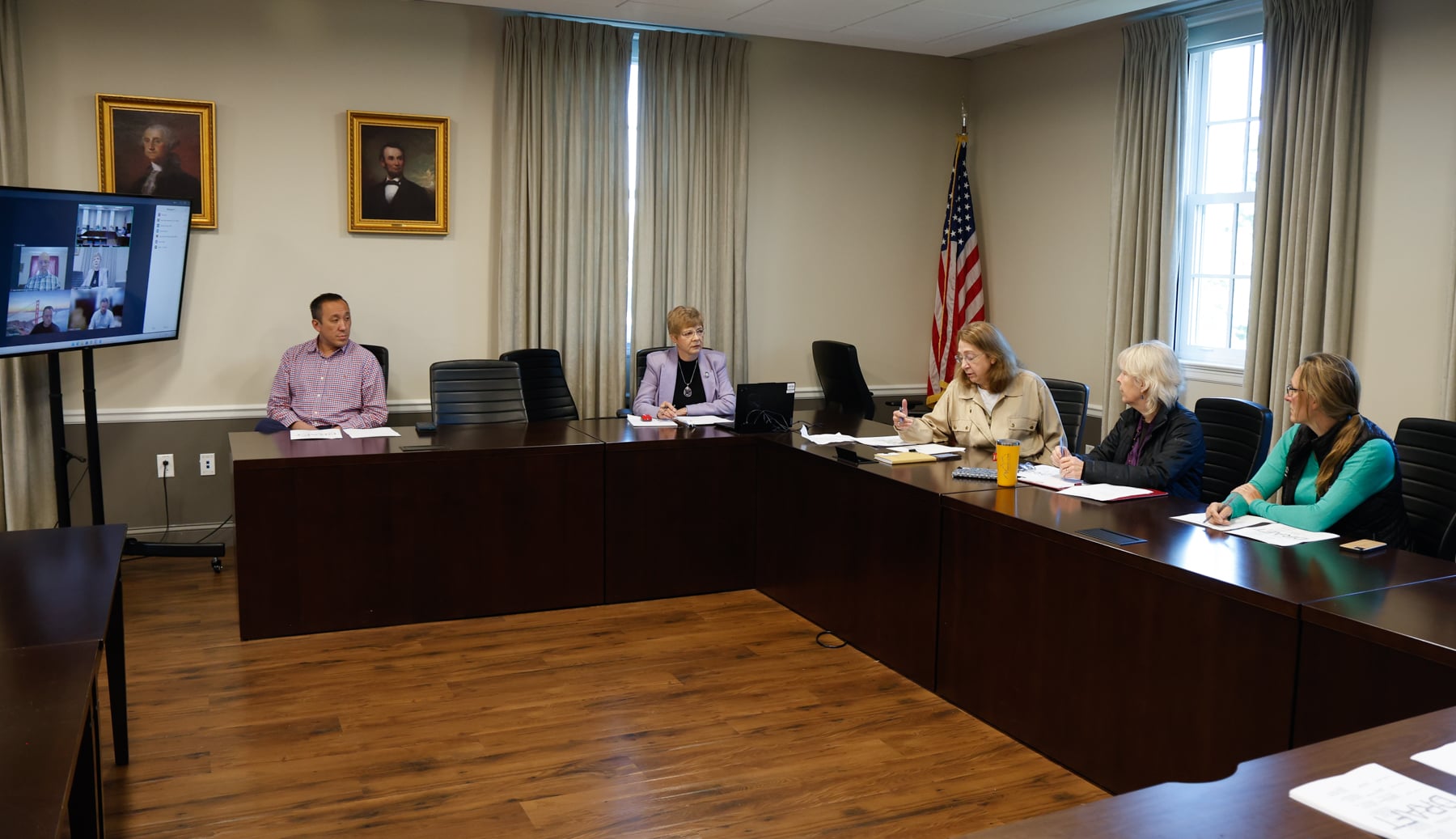
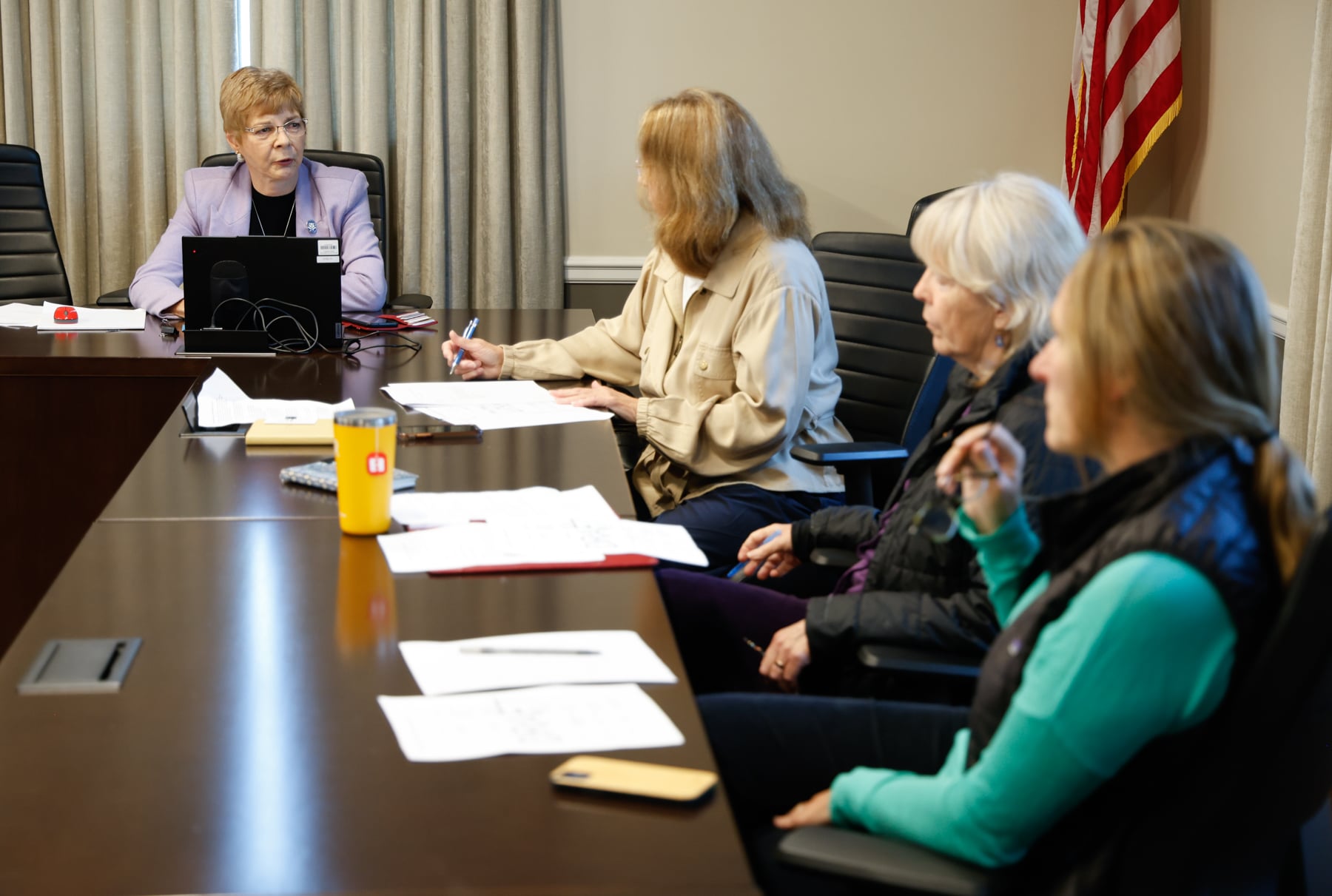
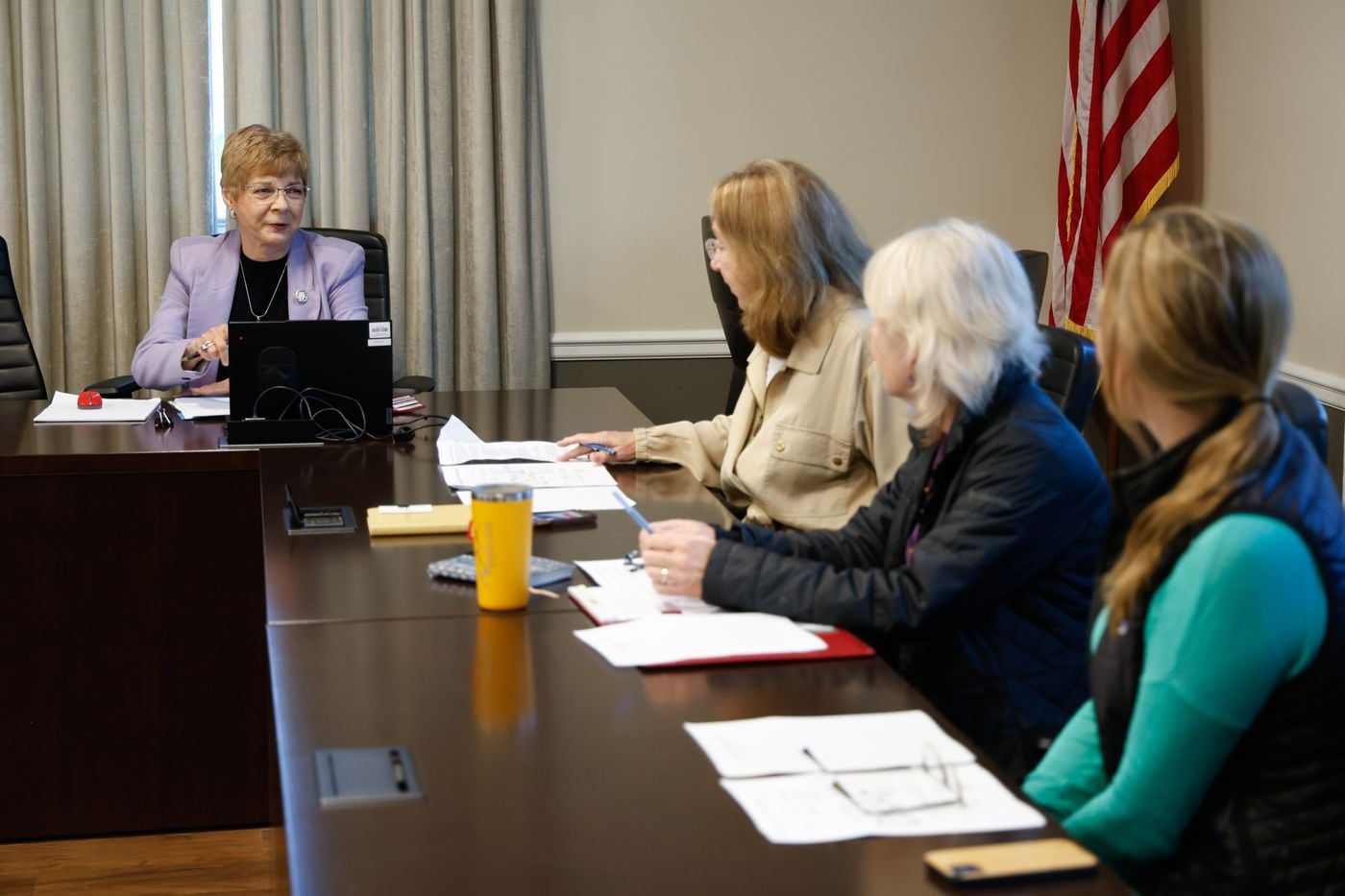
At Suffield Town Hall Monday morning, State Representative Tami Zawistowski (R-61), joined in the room by Mary Monahan, of the City of Holyoke, Patty Gambarini, of the Pioneer Valley Planning Commission, Markelle Smith, Director of the Connecticut River Watershed Partnership, and Suffield First Selectman Colin Moll, with several more advocates participating online, discussed plans to host a regional Connecticut River CSO Summit to increase awareness among local communities, outdoors enthusiasts, and environmentalists, and to find – and fund - short and long term solutions.
“We identified the problem decades ago, but now the small groups that have been working on this issue for years are coming together with one voice to press our federal delegations for the funding to finally make truly transformational change,” Rep. Zawistowski said. “We’ve got great momentum on the local and state level, but there’s always more work to do.”
The Cross-Border CT River Communities Initiative is an ad hoc group initiated by Rep. Zawistowski and Holyoke Mayor Joshua Garcia last fall in response to concerns about downriver pollution caused by CSOs from cities in Massachusetts.
Still in the early planning stages, the group envisions the Summit as chance to acknowledge the environmental legacy of New England’s industrial past, highlight progress made, and discuss future plans to further restore clean water in the waterway. While the current focus has been on Massachusetts, the group expects to expand to include participants from the Connecticut River headwaters to Long Island Sound.
“The Connecticut River is cleaner today than it was only a few years ago thanks to the continued activism of small but dedicated groups and volunteers,” Rep. Zawistowski said. “But it’s not enough. Hopefully, we can leverage their enthusiasm, secure funding, encourage people to pitch in and lend a voice or a hand, and clean up this incredible asset for future generations to enjoy.”
According to the U.S. EPA, when the amount of water runoff exceeds the capacity of combined municipal wastewater treatment systems, untreated stormwater and wastewater is discharged into nearby waterbodies creating a Combined Sewer Overflow (CSO). These CSOs are subject to the National Pollutant Discharge Elimination System (NPDES) permitting program.
In August 2025, in response to complaints from local fishermen and others, Connecticut Reps. Zawistowski and Devin Carney (R-Old Lyme), sent a formal letter to Environmental Protection Agency to request assistance to prevent up-river states from continuing to discharge sewage and other harmful substances into the Connecticut River. Those critical concerns, including the interstate water quality impact, public health risks, environmental justice, and the economic impact to tourism, recreation, and property values along the river corridor prompted these ongoing discussions.