
Rep. Scott Opposes HB 8002 Housing BIll
Key Takeaways
- Rep. Scott opposes HB 8002 over local control and zoning concerns
- Lawmakers warn HB 8002 could override municipal land-use authority
- Critics argue the bill risks community character and infrastructure strain
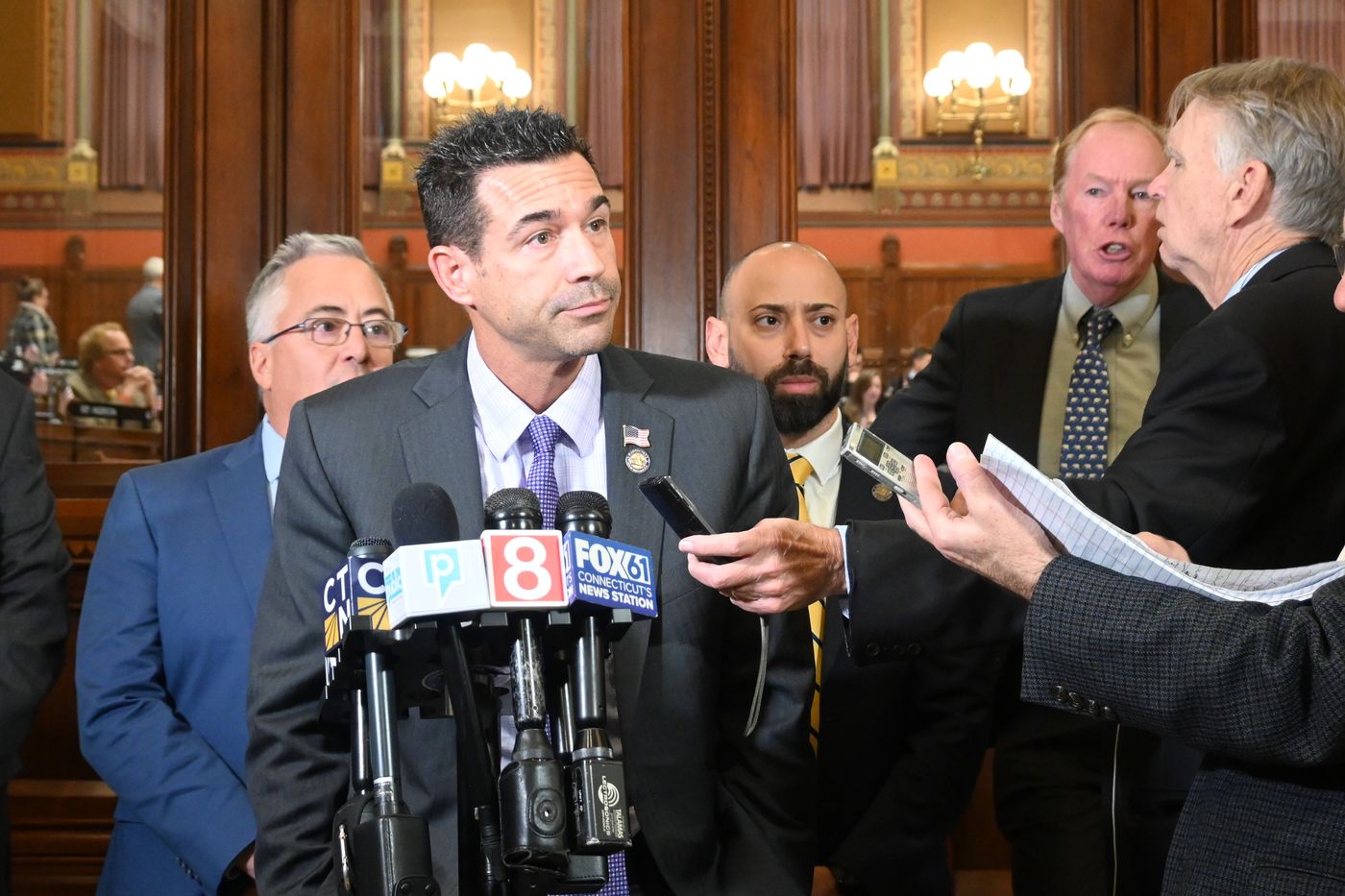
Hartford, CT – State Representative Tony Scott (R-112), Housing Committee Ranking Member, today raised serious concerns about a sweeping new housing proposal moving through the legislature, warning it would take control away from local communities.
"This replacement housing bill, considered as an emergency certification bill, will do nothing over the next 12 months to add affordable housing to the State of Connecticut," said Rep. Scott.
The bill passed the House of Representatives by a vote of 90-56 and now moves to the State Senate.
Scott called the process to get to today's vote 'broken.'
"The draft bill was worked on in secret, and the version sent to legislators on Friday was different from the one that was made public less than an hour before the Special Session started. Because of that, the financial impact statement from the Office of Fiscal Analysis was still not ready an hour into session," said Rep. Scott.
Among the most concerning provisions are proposals that would:
- Force “summary review” of commercial-to-residential conversions, eliminating public hearings or input from neighbors;
- Abolish local parking minimums for smaller projects, which could strain existing infrastructure;
- Create a new Fair Share housing quota system, run by the Office of Policy and Management, allowing the state to override local plans; and
- Establish a new Council on Housing Development, mostly appointed by the Governor, with sweeping power to set zoning and housing policy statewide.
The measure, House Bill 8002, An Act Concerning Housing Growth, would upend how housing is planned and approved across Connecticut — and, in the process, give the state’s Department of Housing (DOH) unprecedented power to act as a statewide housing authority. Under the proposal, the DOH could build, manage, and even sell housing projects on state-owned land — with no local approval, no legislative oversight.
"I don’t think there’s any dispute that Connecticut has a tight housing market, and rising homelessness. But there are differences in what we all think will work best to solve these problems," concluded Rep. Scott.