State Legislators Host CT 8-30g Housing Presentation in Newtown
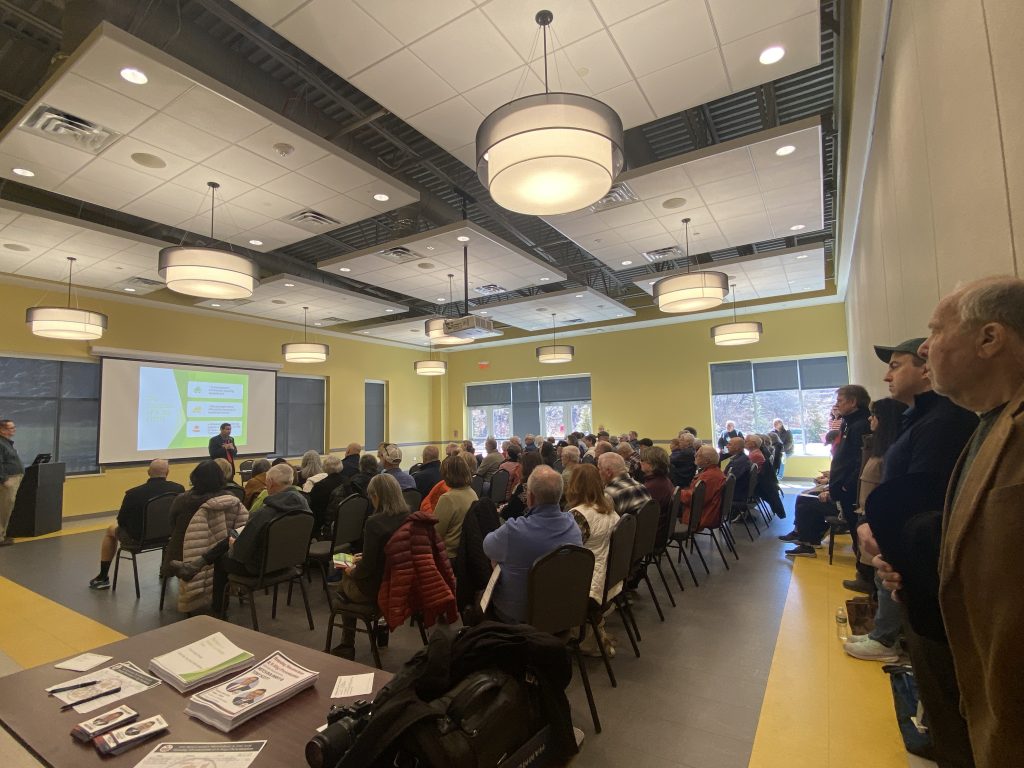
NEWTOWN- Newtown State Representative Mitch Bolinsky (R-106) and Representative Tony Scott (R-112), the Ranking House Republican on the General Assembly’s Housing Committee, co-hosted a Housing Moratorium and 8-30g Presentation to a packed house at the Newtown Community Center on Sunday, March 23.
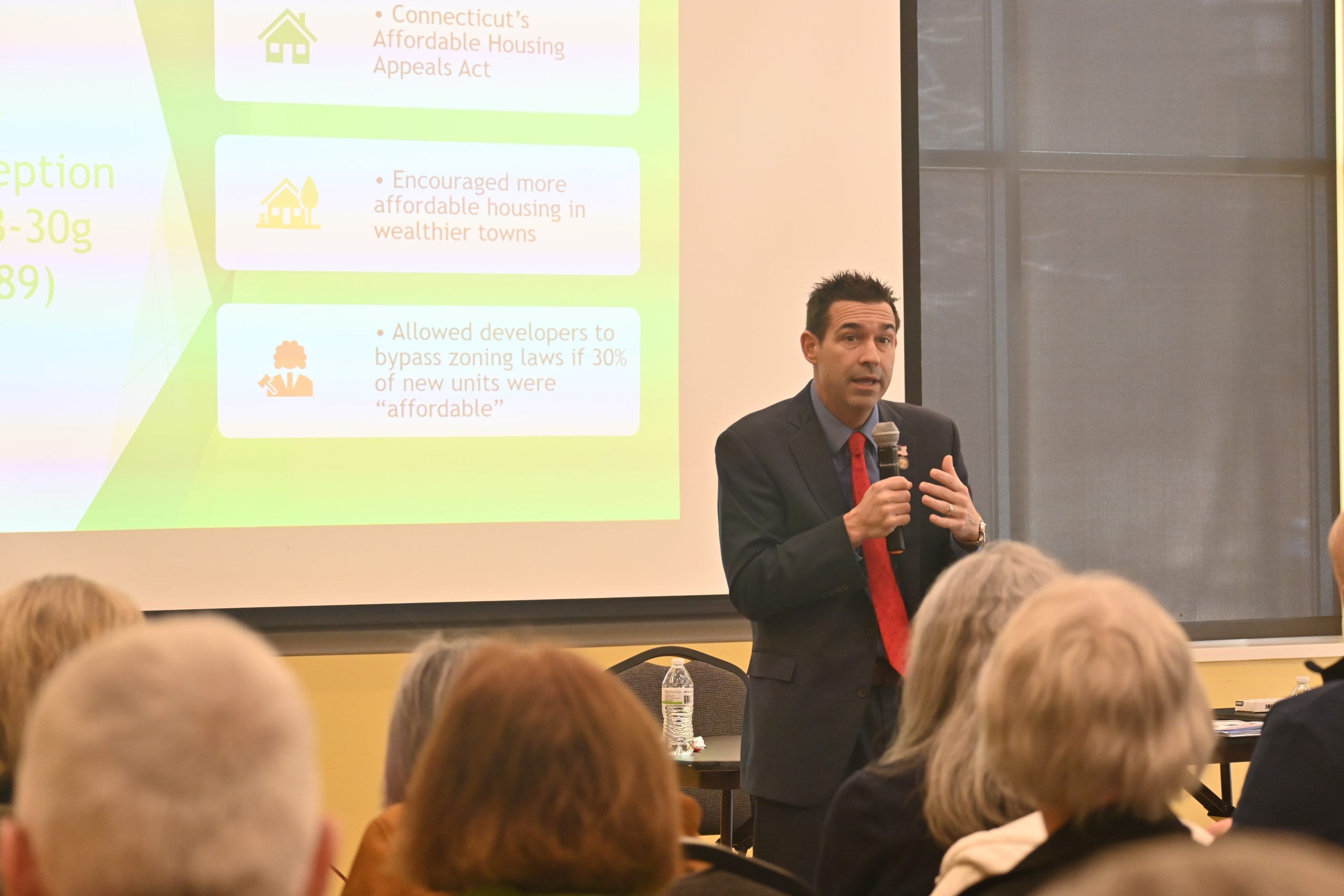
The Housing Moratorium and 8-30g Presentation by Reps. Scott and Bolinsky included a brief history of the 8-30g state ‘affordable housing laws’, major policy changes over the last few years, and a review of some of the 2025 legislative-session housing proposals, currently under consideration. After the presentation, the Representatives conducted a participant Q&A session, before concluding.
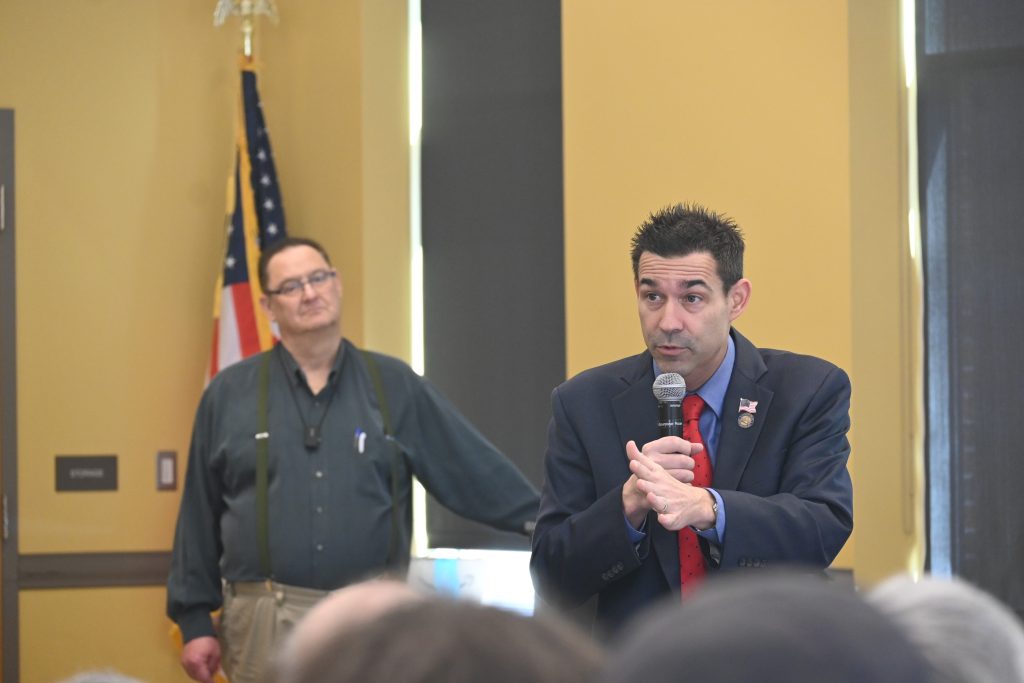
“I want to thank all the Newtowners who came out on a Sunday afternoon to learn about Connecticut state law on housing and the 8-30g statutes,” said Rep. Bolinsky. “The state laws can be very frustrating for local residents and, unfortunately, seem to unfairly favor aggressive, predatory, developers looking to force ‘square pegs into round holes’ by misusing 8-30g applications. My hope is that this event provided some valuable information to Newtown residents about how to better steer project proposals before they become costly lawsuits.”
“A vast majority of municipalities have little to no chance of reaching the 10% mandate of affordable housing stock. I have voiced these concerns over the last couple years through me role as Ranking Member of the Housing Committee, said Rep. Tony Scott. “I proposed a bill this session that would include accessory apartments in the calculation of the threshold for exemption from the affordable housing appeals procedure. The bill was reported out of committee and sent to the House for further consideration.”
The Newtown Community Center staff was especially helpful in accommodating the overflow crowd of interested Newtown residents wanting to learn about the state’s affordable housing laws, and Newtown’s options to be both supportive of the state’s objectives, and how our community can best manage its growth, along with the ’local character’ we all desire, going forward.