
Rep. Scott Testifies on Two Planning & Development Bill Proposals
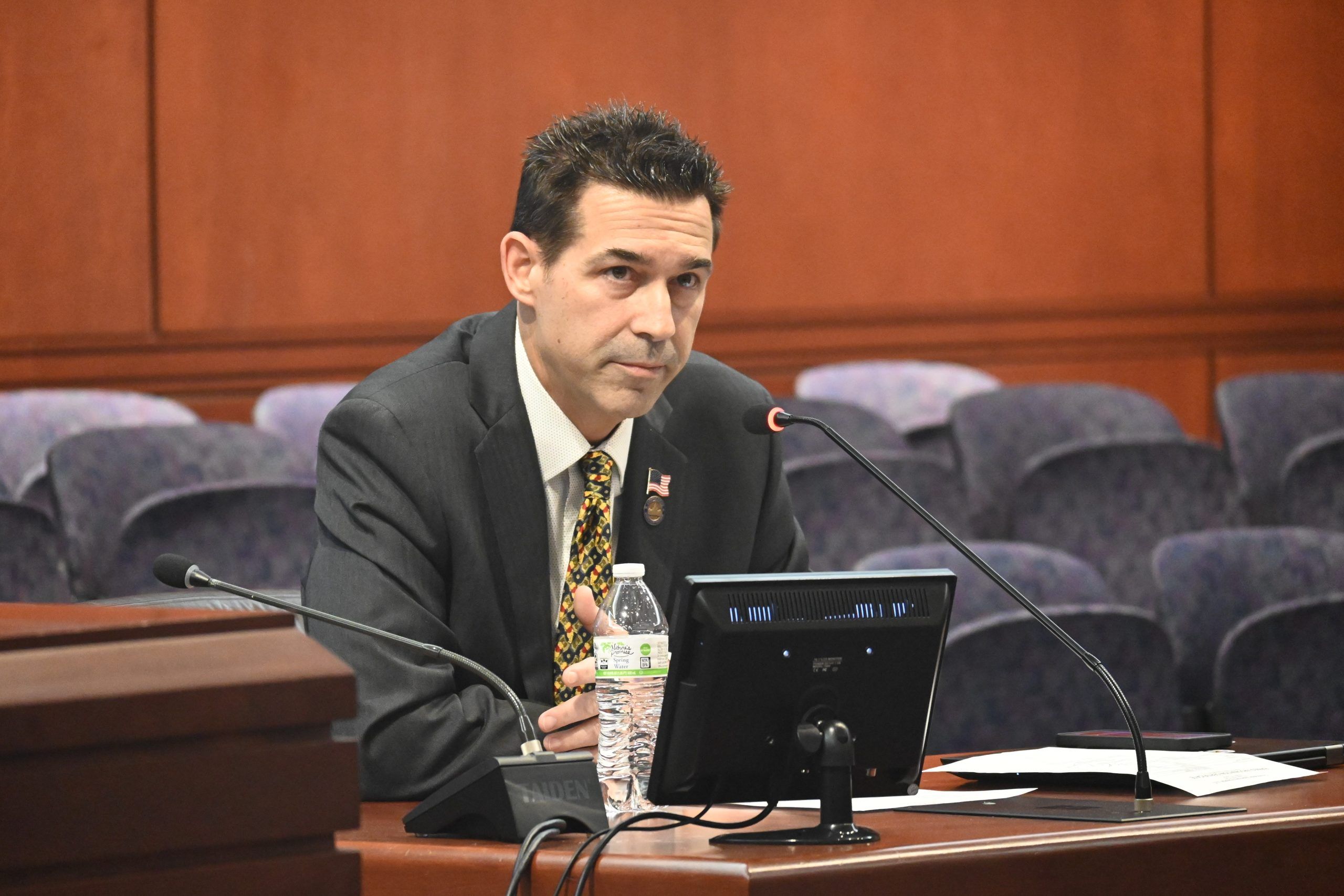
Hartford, CT. — Two concepts proposed by State Representative Tony Scott (R-112) have been raised by the Planning and Development Committee for further consideration.
Rep. Scott testified on a bill to streamline dog licensing in Connecticut during a recent public hearing on HB 6998.
“I proposed this bill as a dog owner and after having much conversation with a local Town Clerk’s office. This proposed change would make it easier for both dog owners and municipal employees. It will not change the fact dogs still are required to get a rabies vaccine and show proof to get a dog license. It just matches the length of time of rabies vaccination certificate to the time of the dog license,” said Rep. Scott.
Dog licenses require a rabies vaccination certificate, and those rabies vaccination certificates are three years in length. Rep. Scott proposed the bill because current statute is inefficient and redundant as dog owners are required to request a dog license yearly and submit the same rabies vaccination certificate for two additional years as the certificate is already be on file with Town Clerk’s office.
Rep. Scott also provide written testimony in support of An Act Concerning the Publication of Legal Notices By Municipalities.
“I proposed one of the concepts included in this bill after working with the Monroe First Selectman upon hearing about a local newspaper going out of business that they used for Public Notices. There currently is no newspaper in Monroe that would qualify to have sufficient circulation of townspeople and they are currently forced to go to the Connecticut Post and pay absorbent amounts knowing only a small percentage of their circulation is in Monroe,” said Rep. Scott.
The proposed change in HB 7146 would give smaller municipalities across the state the flexibility to use their municipal website as a spot to post Legal Notices if 15% of the households in said
municipality are not print or online subscribers to a local newspaper.
“This is a fair way to allow municipalities to adjust with the times of massively shrinking newspaper circulation, many newspapers going entirely digital or out of business altogether,” noted Scott.