
Rutigliano: New “Housing Growth” Bill Threatens Local Control and Hands Too Much Power to the Hartford
Key Takeaways
- Rutigliano warns the bill strips local control over zoning decisions.
- Bill would centralize housing authority in Hartford, limiting municipal autonomy.
- Lawmakers fear a state takeover of local planning and permitting.
- Opponents say the measure could override community input and local priorities.
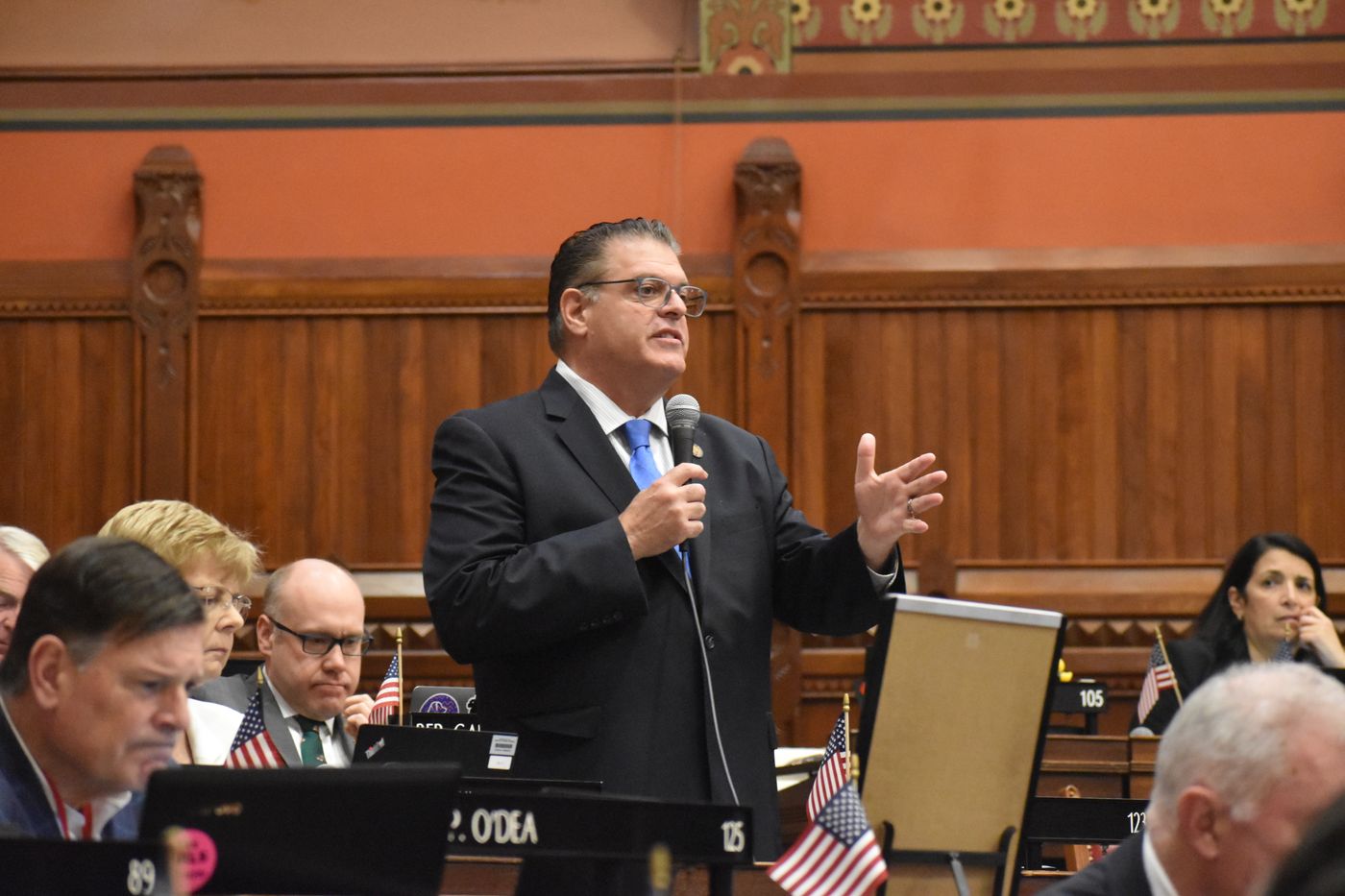
HARTFORD — State Representative David Rutigliano (R-123) today voiced strong opposition to a sweeping housing proposal before the General Assembly, calling it a “massive power grab by the executive branch” that strips municipalities and residents of their voice in shaping local development.
The legislation would fundamentally change how housing is planned, approved, and built in Connecticut — with many provisions dramatically expand state authority while weakening the role of local governments.
Under the proposal, House Bill 8002 An Act Concerning Housing Growth, the Department of Housing (DOH) would gain new, unprecedented powers to act as a statewide housing authority — including the ability to build, manage, and sell housing projects on state-owned land without legislative approval or local input. There is no explicit exemption for open space, historic sites, or other protected properties.
“This is not just a housing bill — it’s a complete reorganization of government authority stripping Trumbull of any planning and zoning voice,” Rep. Rutigliano said. “It allows the state to build and sell property with no public hearings, no legislative oversight, and no accountability to taxpayers.”
Other controversial provisions include:
- Stripping local zoning control by requiring “summary review” — a process with no public hearings — for converting commercial buildings to residential units.
- Eliminating local parking minimums for new developments under 16 units, further limiting municipalities’ ability to plan responsibly for infrastructure.
- Centralizing housing targets through a new “Fair Share” system run by the Office of Policy and Management (OPM), which can override municipal housing plans.
- Creating a new Council on Housing Development — largely appointed by the Governor — with authority to approve or deny local housing growth plans and set zoning guidelines statewide.
While the bill offers new financial incentives for towns that comply with state housing goals, Rep. Rutigliano said those programs come at too high a cost to transparency and local democracy.
Rep. Rutigliano urged legislative leaders to reject this overreaching proposal and instead work with municipalities, regional councils, and local residents to craft a housing plan that respects community input while addressing the state’s housing needs.