
Rep. Rutigliano Looks to Strengthen Drug-Impaired Driving Enforcement
Key Takeaways
- Rep. David Rutigliano backs Senate Bill 405 to strengthen drug-impaired driving enforcement.
- Bill creates grants for Drug Recognition Expert training and impaired-driving detection programs.
- Proposal would dedicate a portion of Connecticut cannabis tax revenue to public safety training.
- Law enforcement gets resources to address drug impairment challenges after cannabis legalization.
Rep. Rutigliano Looks to Strengthen Drug-Impaired Driving Enforcement
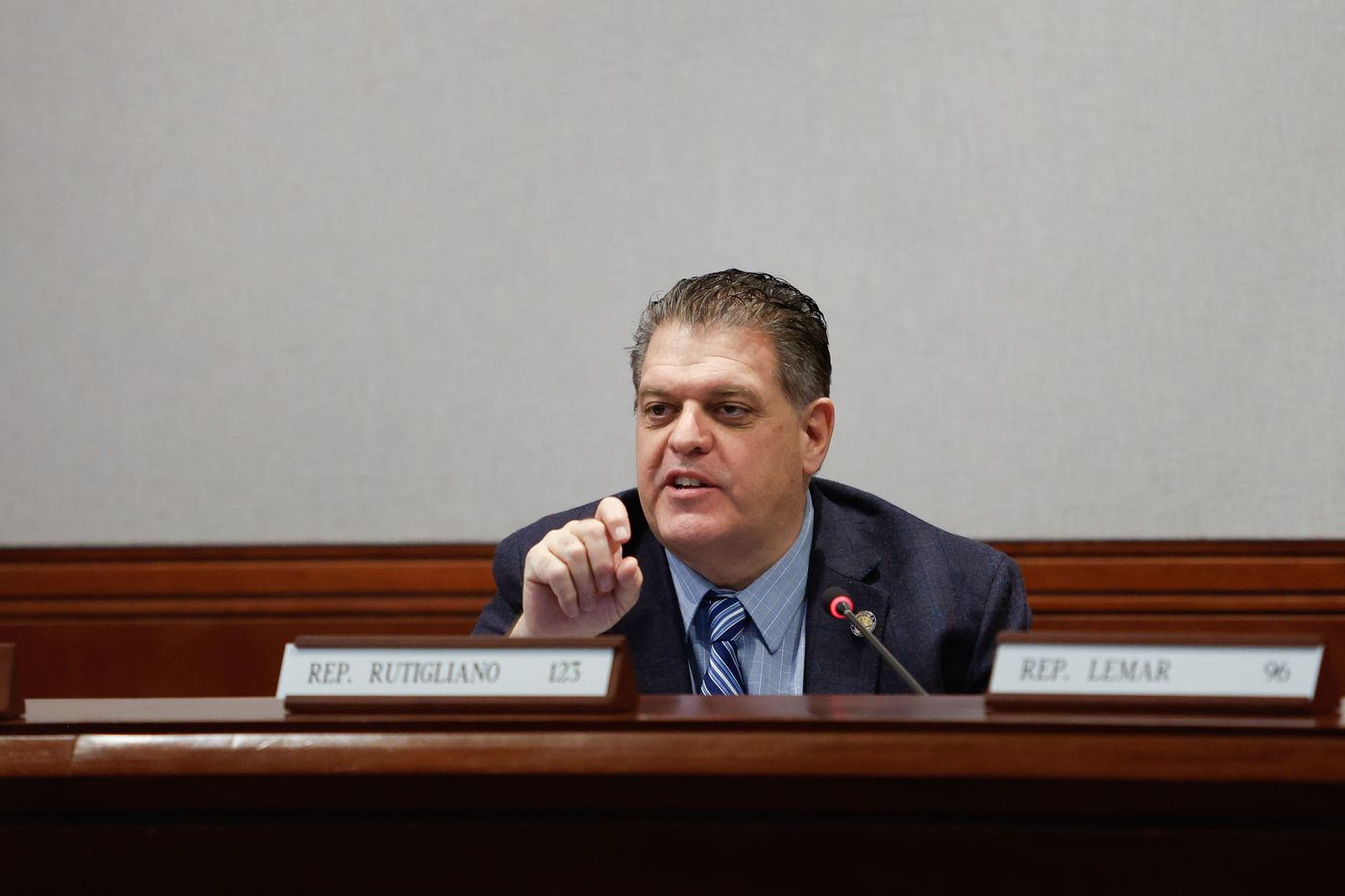
HARTFORD — State Representative David Rutigliano (R–Trumbull) submitted testimony before the General Assembly Public Safety and Security Committee this week in support of legislation aimed at strengthening law enforcement’s ability to detect and prevent drug-impaired driving in an effort to make our roads safer.
Rutigliano expressed his support for Senate Bill 405, which would establish an Impaired Driving Enforcement and Drug Recognition Training Grant Program and dedicate a portion of cannabis tax revenue the state of Connecticut currently collects on cannabis sales to help police departments expand training for officers.
The proposal would provide grants to law enforcement agencies to train officers in identifying drug-impaired drivers, including specialized training for Drug Recognition Experts (DREs), who are equipped to recognize impairment caused by substances other than alcohol.
“Keeping our roads safe should always be a top priority,” said Rep. Rutigliano. “As cannabis becomes more widely available, law enforcement agencies are facing new and difficult challenges when it comes to identifying drivers impaired by drugs. This bill provides the resources departments need to train officers and strengthen enforcement so they can keep motorists, pedestrians, and families safe.”
Since the legalization and commercialization of recreational cannabis in Connecticut through Connecticut Public Act 21-1, police departments across the state have raised concerns about the difficulty of detecting drug impairment compared with alcohol impairment, which can be measured using established testing methods.
Unlike alcohol-related impairment, detecting impairment from drugs often requires specialized training and advanced evaluation techniques. Drug Recognition Experts play a critical role in identifying impairment, but many departments—particularly smaller or resource-limited agencies—do not have the funding to provide that training.
Rutigliano noted that dedicating a portion of cannabis tax revenue to the grant program would help ensure municipalities have the resources needed to properly train officers.
“If the state is generating revenue from cannabis sales, it’s only fair that some of those dollars be reinvested in public safety,” Rutigliano said. “This proposal helps make sure our police departments have the tools and training necessary to address impaired driving and protect our communities.”
If adopted, the grant program would help expand impaired driving enforcement capabilities statewide, supporting additional training and resources for law enforcement agencies working to improve roadway safety across Connecticut.