
House Republicans, Restaurant Industry Highlights Bill Eliminating State Tax on Tips and Overtime
Key Takeaways
- Rutigliano and Polletta propose HB 5010 to exempt tips and overtime from state income tax.
- Connecticut Restaurant Association joins Republicans to advocate tax relief for tipped workers.
- Proposal aligns state tax treatment with recent federal bipartisan tip and overtime deduction.
- Sponsors frame tax change as relief for workers facing Connecticut’s high cost of living.
House Republicans, Restaurant Industry Highlights Bill Eliminating State Tax on Tips and Overtime
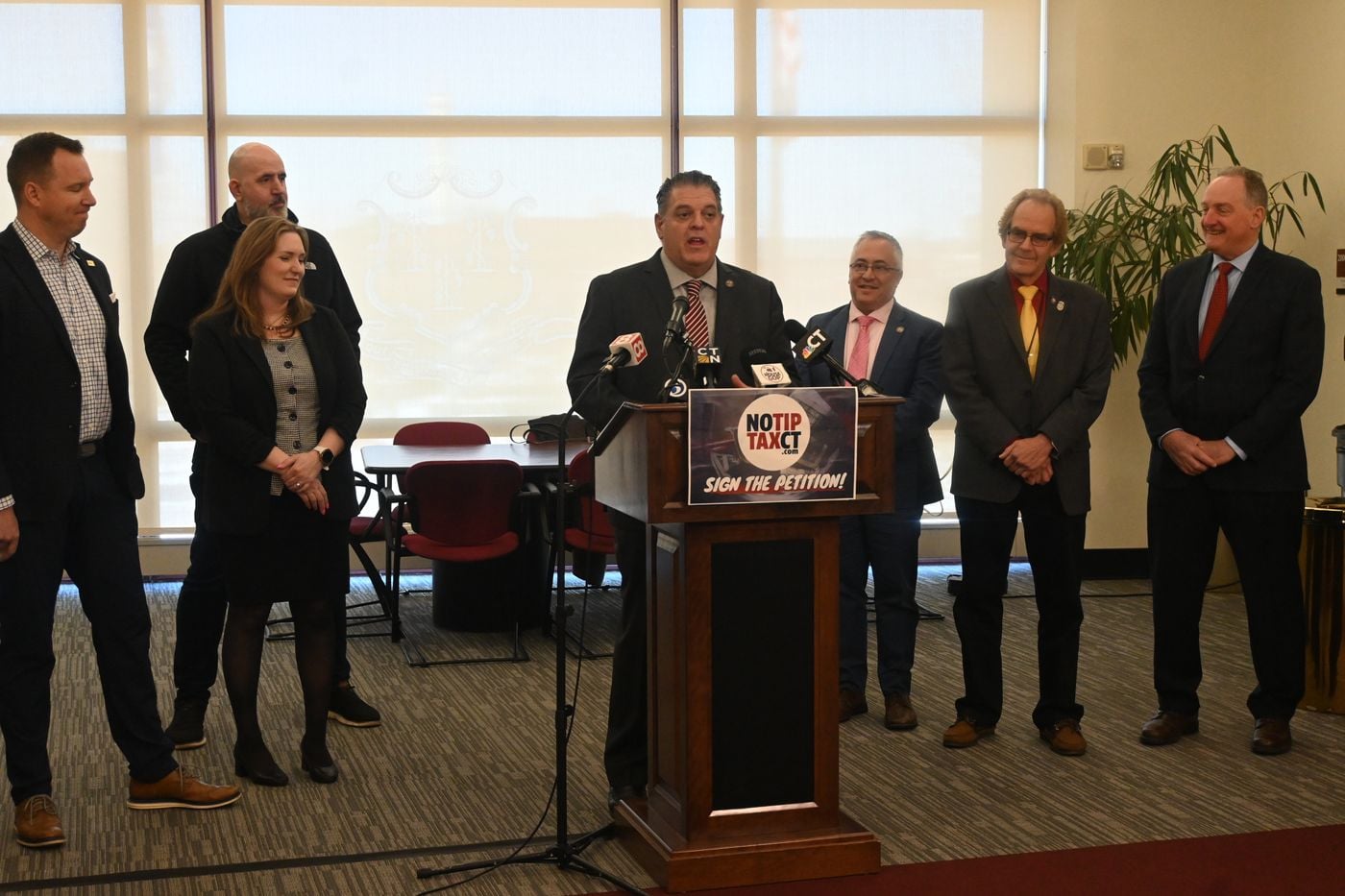
HARTFORD— Deputy House Republican Leader David Rutigliano (R-Trumbull) along with State Rep. Joe Polletta (R-Watertown), the House Ranking Member of the Finance, Revenue and Bonding Committee were joined by representatives from the Connecticut Restaurant Association to discuss House Bill 5010, which would exempt tips and overtime from Connecticut's personal income tax.
“If Washington can come together 100 to nothing to give hardworking folks a little breathing room, Connecticut ought to be able to do the same,” said David Rutigliano. “The waitress pulling a double shift, the receptionist working overtime, the police officer missing dinner with their family — they’re not asking for a handout. They’re just trying to get ahead. Letting them keep more of what they earn in tips is simple, fair, and long overdue. In a state as expensive as ours, every dollar matters.”
On July 4th, 2025, the Federal government passed H.R. 1 which included a bipartisan proposal to create a maximum deduction of $25,000 for income from tips and overtime for single filers making up to $150,000 and joint filers making up to $300,000.
Connecticut is in an affordability crisis. From 2013 to 2023, Connecticut was in the bottom ten states for GDP growth. Our state saw one of the slowest job recoveries of any state post-Great Recession, which then worsened with the Covid Pandemic. Connecticut is consistently ranked among the top five highest tax burden states. Our energy and housing affordability is also consistently ranked in the top five most expensive of states. We cannot allow this trend of unaffordability to continue.
This bill seeks to right some of the wrong done to the overburdened residents of our state and conform to the legislation already agreed upon by our federal government as a bipartisan solution to this crisis. Our hard-working waiters and waitresses, police officers and corrections officers, and countless other professions that work long hours to provide for their families deserve some level of reprieve in this unaffordable state.