
Electricity Supply Cost Increases
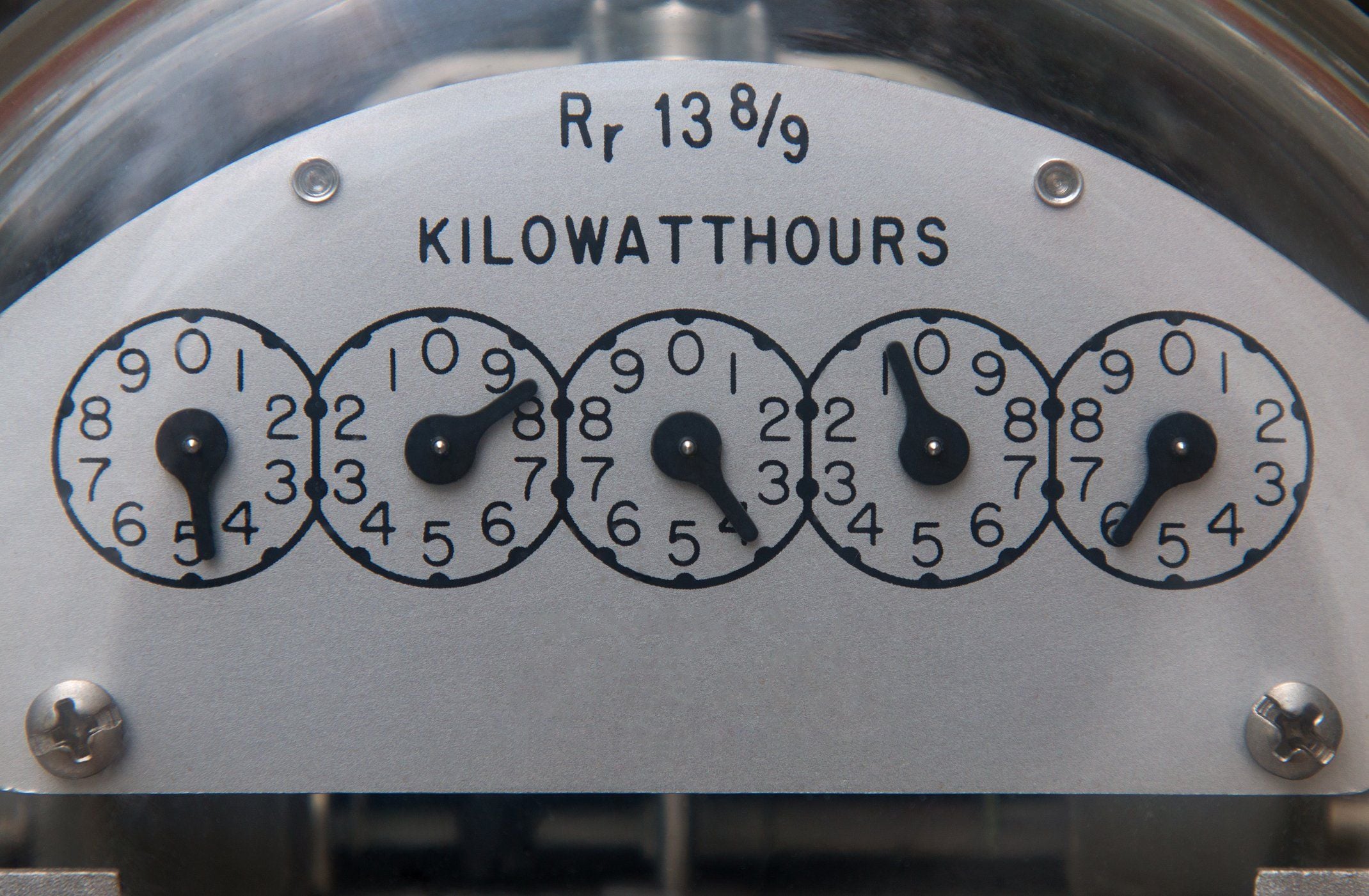
Recently, both Eversource and United Illuminating (UI) announced increased electric supply rates by nearly 50% for the first six months of 2023, and natural gas prices have gone up by 25% in the last month and are expected to go higher.
There are several components to these electricity cost increases, including the rising cost of natural gas (many of our electric generation facilities are powered by natural gas), pipeline capacity, and seasonal demand. While there is not much you can do to change these underlying causes there are ways you can save energy and keep more of your hard-earned money.
Most of us have taken steps to make our homes as energy efficient as possible, and every little bit helps. Using energy efficient light bulbs and replacing furnace air filters each season, regular cleaning and maintenance for water heaters and boilers, adding insulation and making sure gaps and cracks are sealed to prevent cold air from getting in are all great ways to save energy and lower your monthly bills.
One More Step Can Save Money
Despite taking steps to seal our homes few of us have or take the time to understand the energy market and how it affects our bills. In Connecticut, the electricity delivery market is regulated by the Public Utilities Regulatory Authority (PURA) but the supply market is not. Due to state law, Eversource and UI are prohibited from competing in the supply business, but there are several companies that offer electricity to consumers.
To learn more about your electricity provider choices and compare rates, please visit www.energizect.com.
Eversource and UI are required to provide default service on a pass-through basis, however, if customers do not choose a supplier, the utilities are required to procure “standard service” electricity for those customers. For 2022, the delivery cost for Eversource was about 12.3c / kWh, and the supply cost was about 12c /kWh. In a press release about the proposed rate increases, Eversource notes: “ … the proposed Standard Service Rate for residential customers who receive their energy supply from Eversource would change from 12.1 cents per kilowatt-hour (kWh) to 24.2 cents per kWh, compared to 11.5 cents per kWh last winter.”
You can check prices from other suppliers on energizect.com, including some suppliers currently offering substantially lower rates for longer term contracts.
Switching suppliers takes time and it can take 2-3 billing cycles for the utility to make the switch.
I hope this information was helpful.