
Kennedy Touts Connecticut’s New Yellow Envelope Law
Key Takeaways
- Kennedy promotes the yellow-envelope system for accessible advance medical directives.
- Strengthens patient autonomy and emergency care clarity.
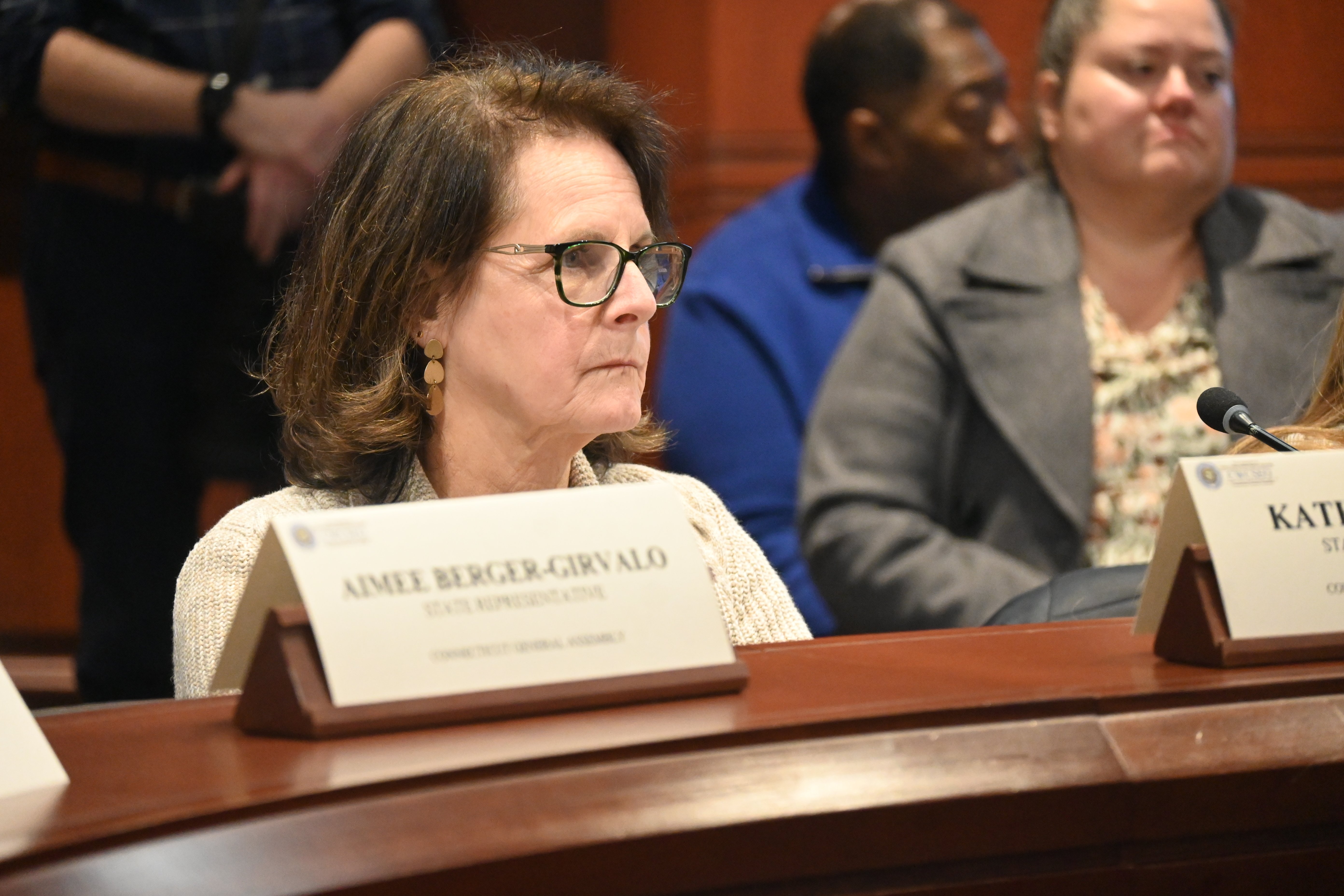
HARTFORD, CT – State Representatives Kathy Kennedy attended a symposium on Connecticut’s New Yellow Envelope Law hosted by the Connecticut Commission on Women, Children, Seniors, Equity and Opportunity, and the Connecticut Department of Motor Vehicles, and a variety of partnering organizations, including the Council on Developmental Disabilities, which was created to support individuals with cognitive and physical disabilities.
In 2025, Kennedy, the House Ranking Member of the Transportation Committee, co-sponsored the Yellow Envelope Law, an important public safety initiative designed to support residents with cognitive impairments and physical disabilities when interacting with first responders.
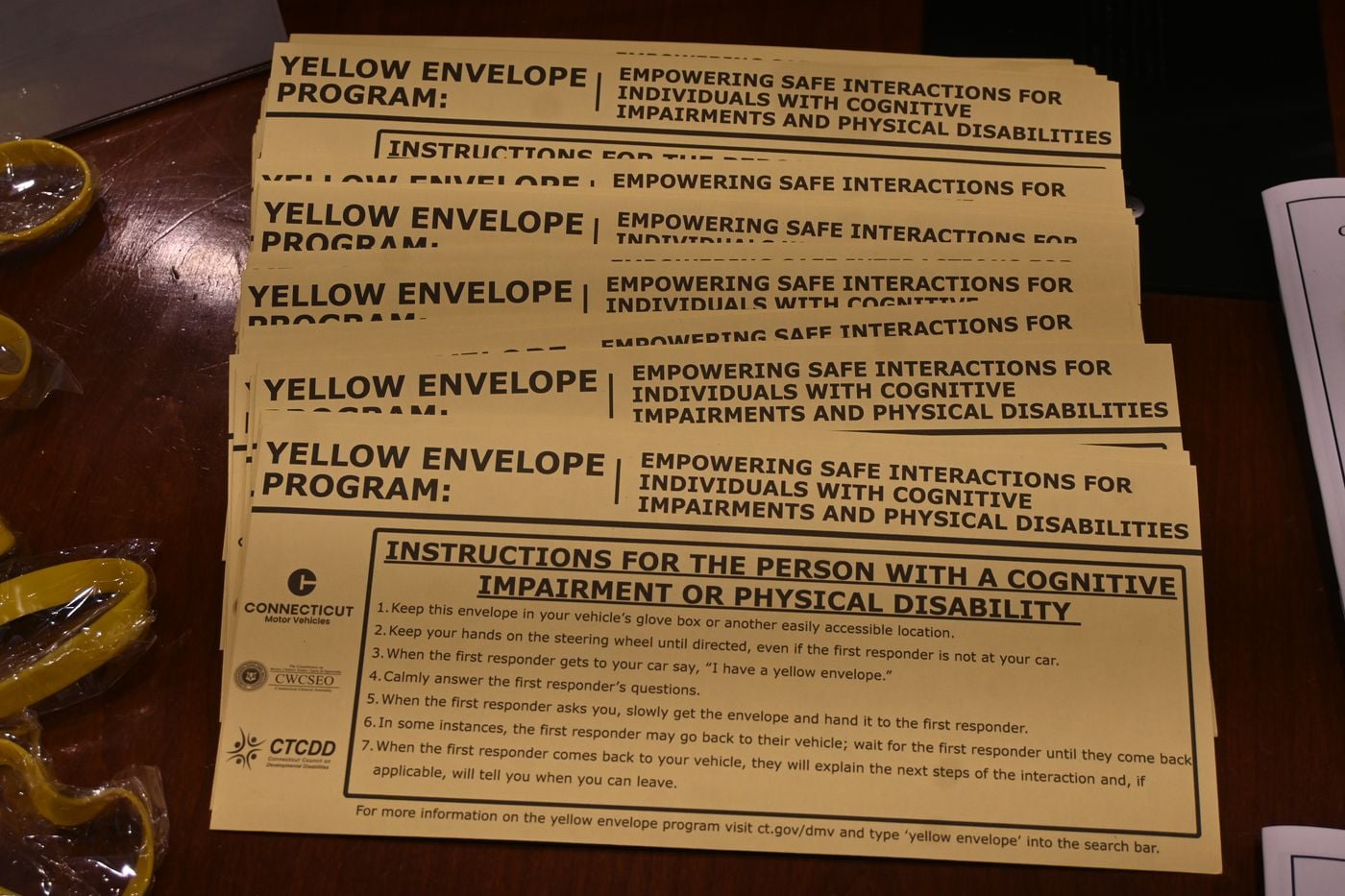
Effective January 1, 2026, Connecticut expanded its communication-assistance tools by implementing a Yellow Envelope Program through state law. The program requires the Connecticut Department of Motor Vehicles (DMV), in partnership with the Commission on Women, Children, Seniors, Equity and Opportunity and first responder organizations, to create and distribute yellow envelopes and related public awareness materials that help promote safe and effective communication between emergency personnel and individuals with cognitive or physical challenges.
The yellow envelopes are intended to hold important documents — such as a driver’s license, registration, insurance card — along with information about an individual’s disability or communication preferences. The outside of the envelope includes guidance for police officers, firefighters, and emergency medical responders on how to provide accommodations and interact respectfully and safely with the envelope bearer.
“The Yellow Envelope program is about improving communication and safety during what can be very stressful moments. By clearly alerting first responders to a person’s cognitive or physical needs, we can reduce misunderstandings, lower anxiety for everyone involved, and ensure interactions are handled with dignity, respect, and appropriate accommodations,” said Rep. Kennedy.
Kennedy added, "Using a yellow envelope is simple and can make a real difference. Residents can keep it in their glove box or visor and present it during a traffic stop or emergency so first responders immediately understand how best to communicate."
According to the Commission on Women, Children, Seniors, Equity and Opportunity, the envelopes are available at no cost through the DMV, local police, fire, and EMS departments, and at community events, making this an accessible tool for families across Connecticut.