
Kennedy pushes for House passage of bill to ban female genital mutilation/cutting
Key Takeaways
- Rep. Kathy Kennedy pushes House passage of a statewide ban on FGM
- FGM/C harms girls with severe medical and long-term consequences
- Kennedy urges urgent action to protect safety, dignity, and rights
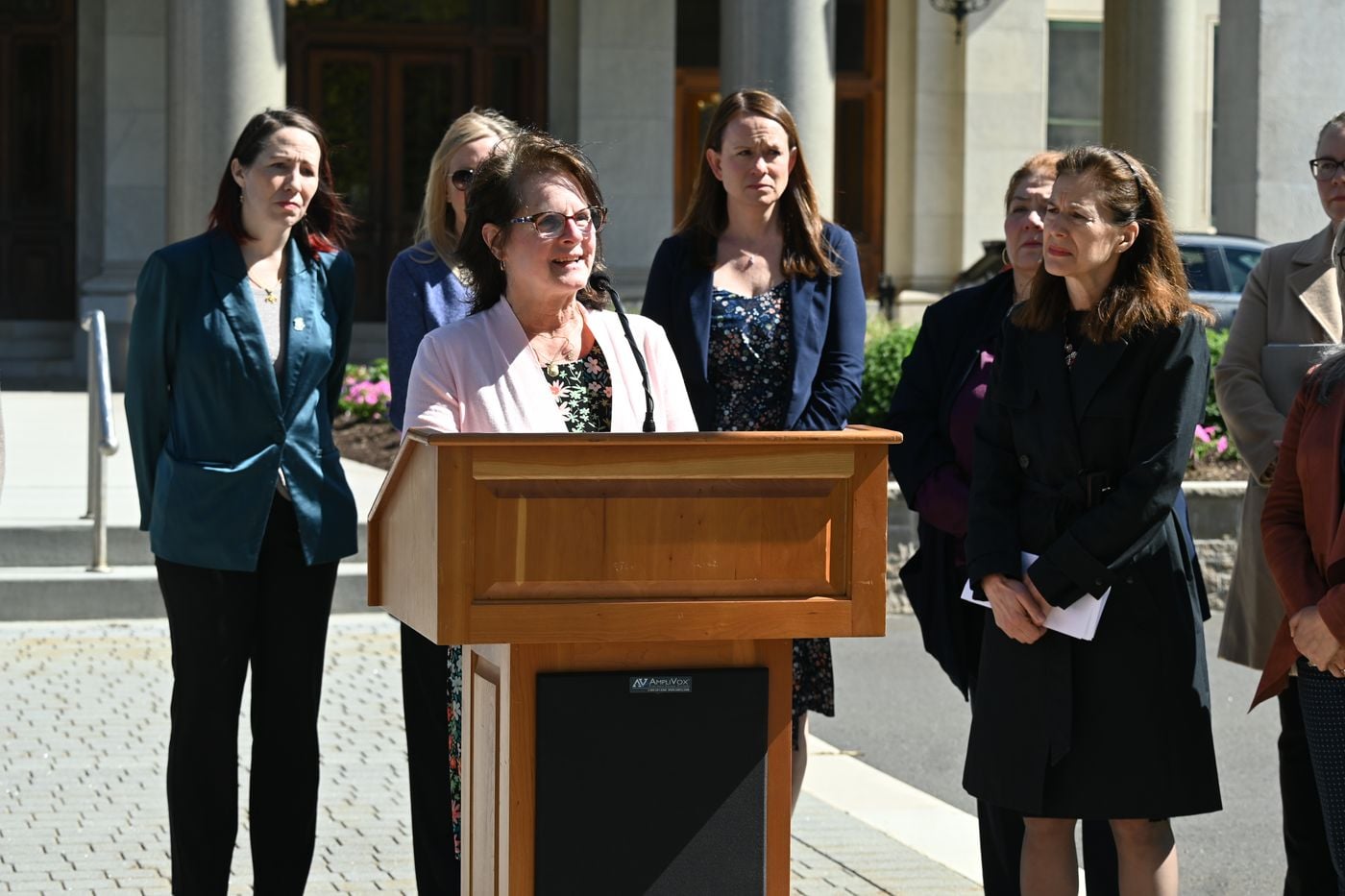
HARTFORD- State Representative Kathy Kennedy, a member of the legislature’s Public Health Committee, along with fellow female lawmakers and advocates are urging swift final action after the Connecticut State Senate approved legislation, Senate Bill 259, to ban female genital mutilation/cutting (FGM/C) in Connecticut.
“Today, I once again stood alongside advocates, survivors, and partners including Sahiyo and the Connecticut Coalition to End Sexual Exploitation for a powerful panel discussion focused on ending FGM/C,” said Rep. Kennedy. “With the Senate’s passage of this bill, we are now closer than ever to finally putting this critical protection into law—and we must get it over the finish line.”
Female genital mutilation/cutting is most often carried out on young girls and involves the cutting or removal of external female genitalia. The practice can result in severe immediate complications, including excessive bleeding, infection, and even death. Long-term consequences may include chronic pain, complications during childbirth, increased risk of infections such as HIV and hepatitis, and lasting psychological trauma. In cases where the clitoris is removed, it can also permanently impact a woman’s ability to experience sexual pleasure.
“FGM/C is a clear violation of human rights and a form of violence against women and girls,” Kennedy added, citing the World Health Organization, which has condemned the practice as an extreme form of gender-based discrimination with no medical benefit. “There is no justification for this practice—cultural or otherwise—and it has no place in Connecticut.”
Currently, 41 states have laws banning FGM/C. Kennedy emphasized that Connecticut must join them without delay.
“As a member of the Public Health Committee, today I am calling on my colleagues in the House to act now,” she said. “We have a responsibility to protect vulnerable girls and women, and this legislation is an important step in ensuring their safety, dignity, and fundamental rights are upheld.”