
Howard Proposes Amendment to Strengthen Transparency and Accountability in Legislative Process (Video Link)
Key Takeaways
- Rep. Greg Howard proposes stricter rules on emergency certifications to protect transparency.
- Amendment would require two‑thirds supermajority in both chambers for emergency‑certified bills.
- Proposal preserves emergency certification but raises bipartisan approval standards and public review.
- Howard’s amendment failed 46–97 in a party‑line vote, rejecting the higher threshold.
Howard Proposes Amendment to Strengthen Transparency and Accountability in Legislative Process (Video Link)
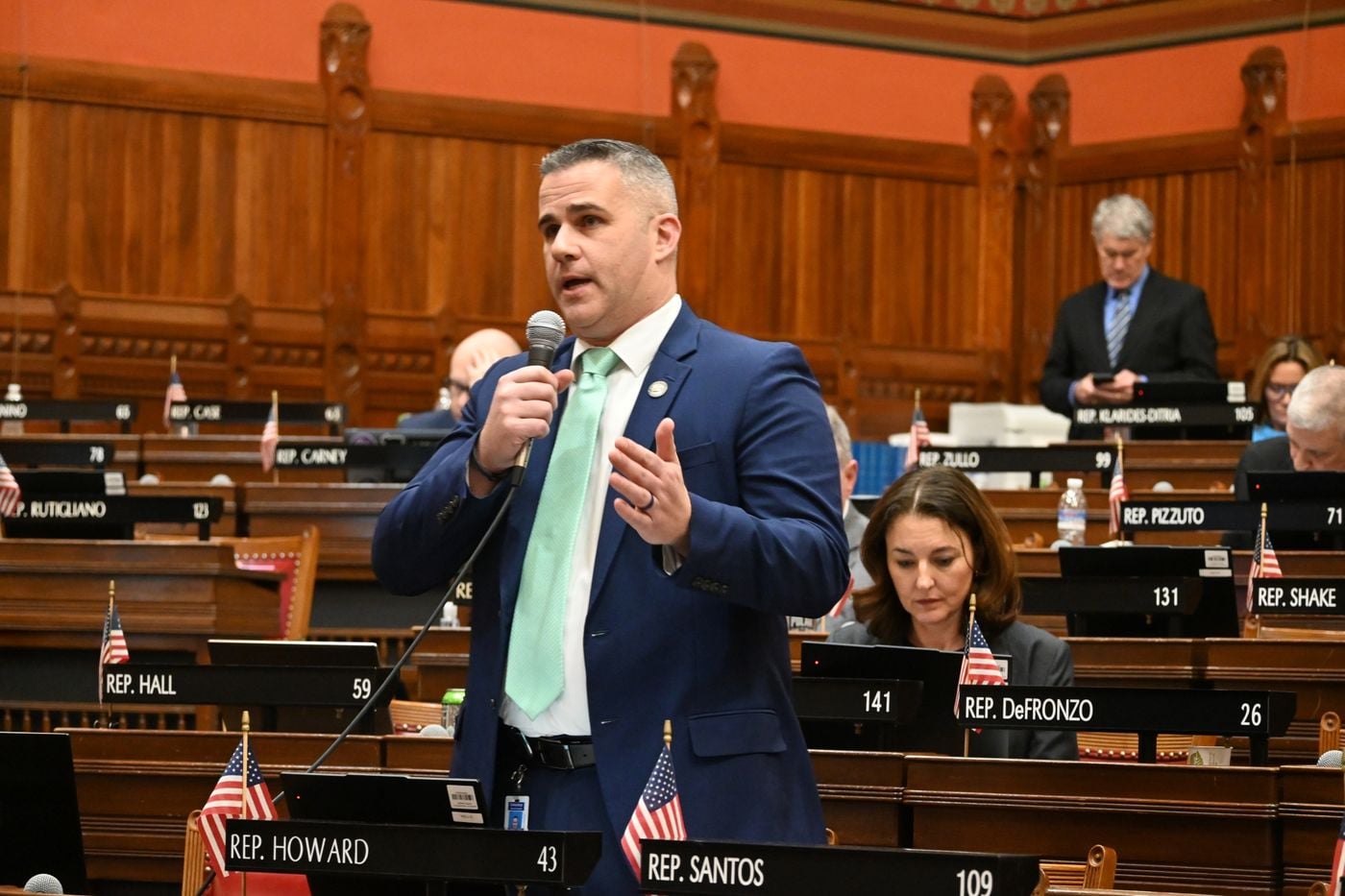
HARTFORD – State Representative Greg Howard has introduced an amendment to Connecticut Senate Bill 298 that would increase transparency at the State Capitol and require a higher threshold for passage of legislation brought up for immediate votes.
Rep. Howard said, "Emergency certifications should be reserved for genuine emergencies—not used as omnibus workarounds to rush through a sweeping package of controversial policies. Measures that would fundamentally reshape Connecticut’s elections, public education system, and workforce deserve transparency, public input, and a full public hearing—not a fast-track process that shuts the public out."
The amendment would revise state law to ensure that no bill becomes law unless there has been a two-thirds supermajority vote in both chambers of the Connecticut General Assembly for passage of any bill moved under emergency certification.
Under current rules, legislative leaders may certify that a bill requires an immediate vote, allowing it to bypass the standard waiting period. Rep. Howard’s amendment maintains that authority but adds stronger safeguards.
“This amendment is about transparency and accountability,” said Howard. “If a bill is truly urgent and cannot wait two legislative days, then it should require broad bipartisan agreement to pass. The public deserves time to review legislation, and lawmakers deserve full information before casting their votes.”
Howard emphasized that the amendment does not eliminate emergency certifications but instead raises the bar to ensure that bypassing the normal review process is reserved for genuine emergencies.
Howard’s amendment failed 46-97 on a total party-line vote.