
Bipartisan Legislative Forum in North Stonington Focuses on How to Navigate the CT Legislature
Key Takeaways
- Understanding the legislative process helps residents engage more effectively with their government
- Emphasizes that lawmaking is a process of negotiation and compromise
- Both representatives expressed appreciation for the opportunity to engage with residents
North Stonington, CT — On Thursday evening, State Representative Greg Howard (43rd District – Stonington, North Stonington, Ledyard) and State Representative Michael Quinn (82nd District – Meriden) teamed up to present an informative community forum in North Stonington, walking attendees through the Connecticut legislative process and the realities of lawmaking.
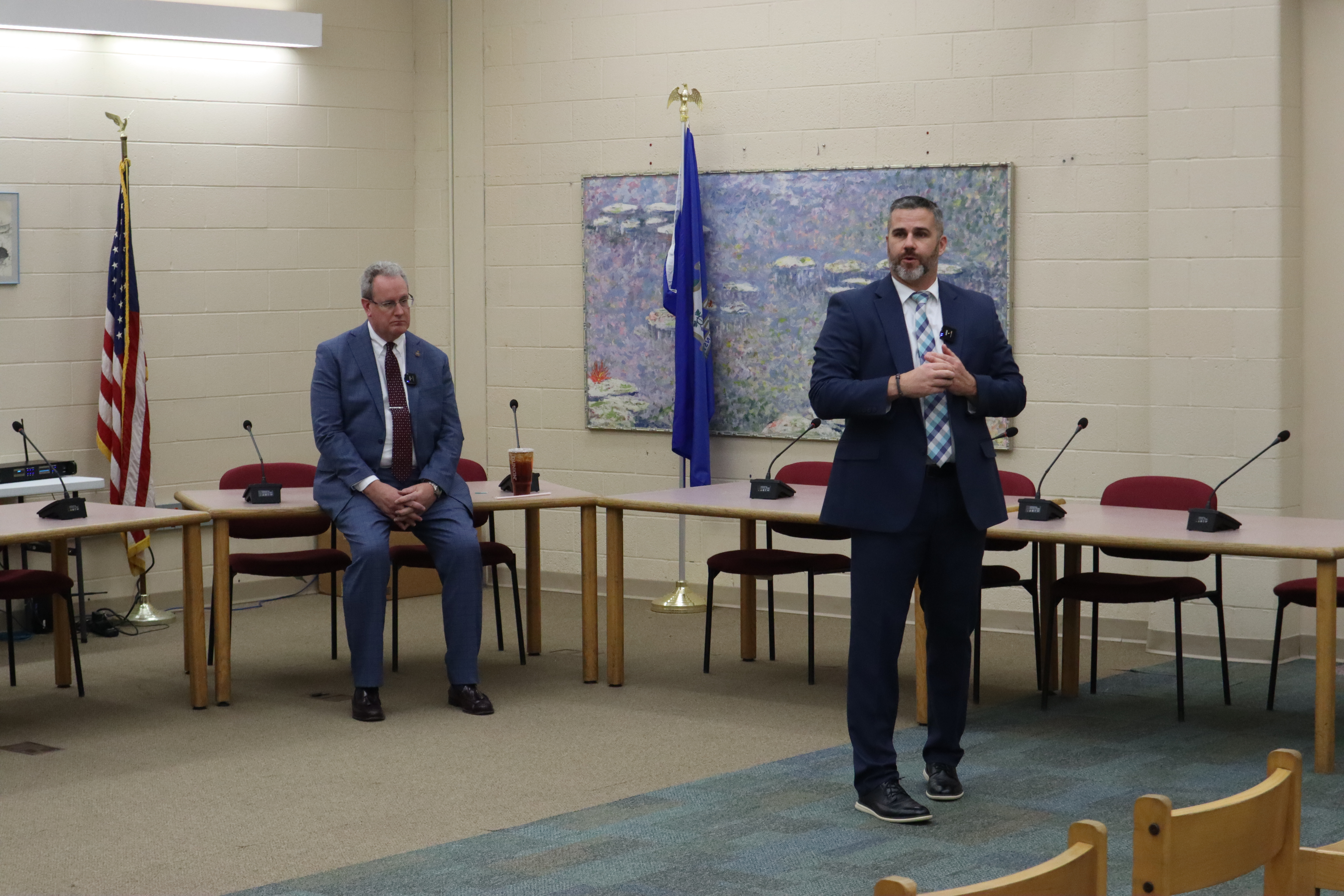
The event, titled “How to Navigate the CT Legislature”, drew many Stonington and North Stonington residents for an interactive discussion about the journey of legislation — from an idea in its infancy to final passage — and underscored the importance of civic engagement and bipartisan cooperation.
Representative Howard noted that understanding the legislative process helps residents engage more effectively with their government and emphasizes that lawmaking is a process of negotiation and compromise.
“Real progress requires working together — not just when we agree, but especially when we don’t,” said Rep. Howard. “You learn very quickly in the legislature that you can’t always get exactly what you want, but by listening and working across the aisle we can find common ground that benefits our communities.”
"I particularly wanted residents to know that they have a say in the laws we debate and pass; they can track, testify for or against and talk to their locally elected lawmakers about the legislation that matters to them," added Rep. Howard.
Representative Quinn echoed the message of cooperation, emphasizing that navigating the legislative process requires patience, teamwork, and respect for differing viewpoints.
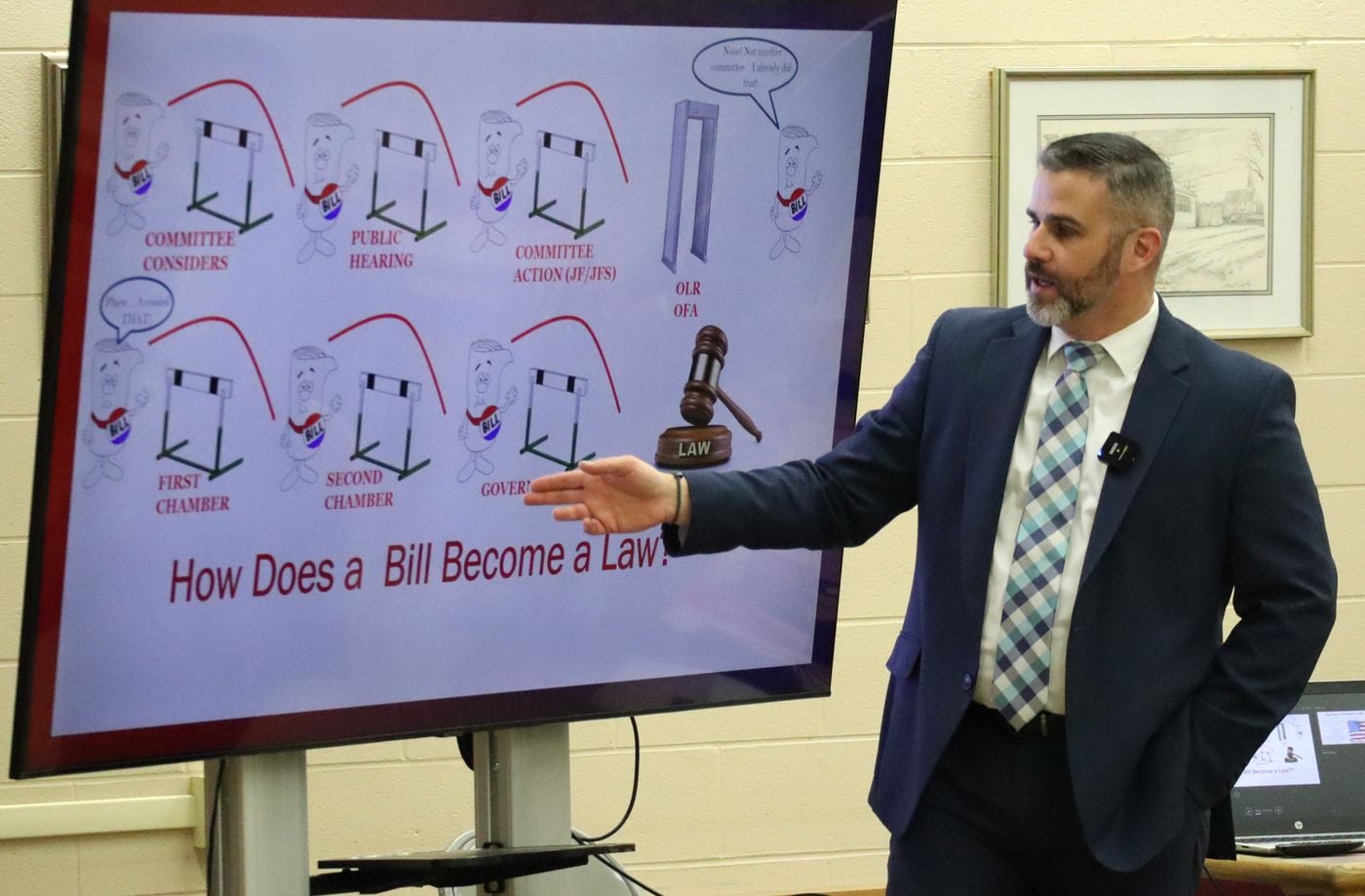
Attendees were guided through the basic steps lawmakers follow as a piece of legislation moves through committees, debates, possible amendment stages, and final votes — illustrating that even well-intended proposals must weather many stages and require support from colleagues of both parties to become law.
Both representatives expressed appreciation for the opportunity to engage with residents and encouraged continued public involvement in the democratic process.
Residents can view the PowerPoint presentation here: https://media.cthousegop.com/How%20Does%20a%20%20Bill%20Become%20a%20Law%20Feb%2020.pdf