
Governor’s Proposed Budget Will Hurt Wallingford, Cheshire
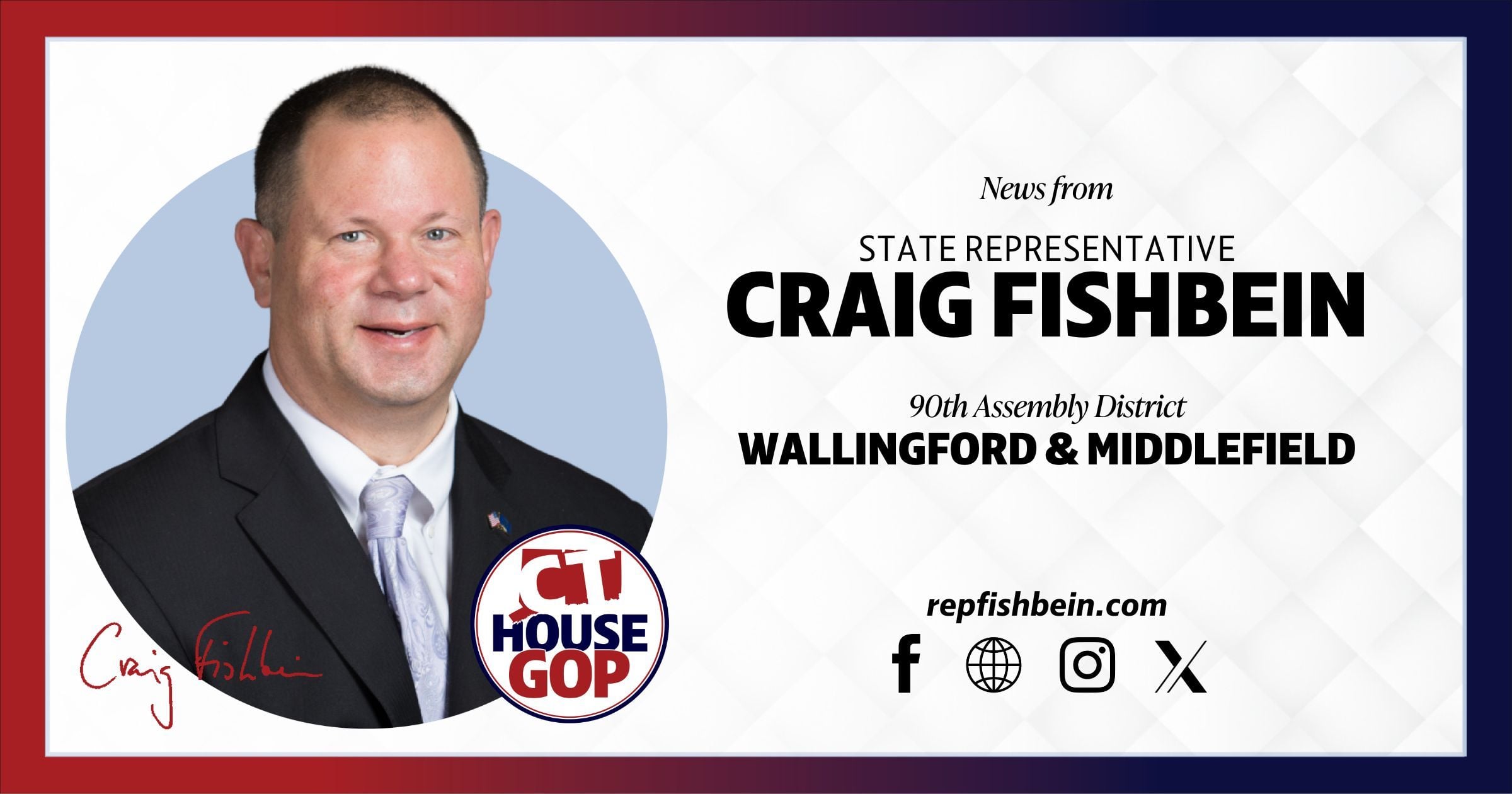
State Representative Craig Fishbein (R-90) today voiced concern over Governor Malloy’s proposed budget because it shifts costs and will unfairly burden middle class taxpayers and harm local municipalities.
During a joint session of the legislature, Governor Malloy unveiled a $40.6 billion two-year proposed budget that increases taxes by nearly $200 million on families, taxes cigarettes by an additional $.45 per pack, shifts $400 million in annual pension costs to local municipalities and relies on $700 million in savings from organized state labor unions, without any guarantees those unions will renegotiate their contracts.
“The governor’s budget is the first step in a long process but he has shown his intention to balance the massive state budget deficit on the backs on middle class taxpayers and local municipalities, and that’s unacceptable,” Rep. Fishbein said. “Instead of tightening the state’s fiscal belt, working toward true structural changes that will alleviate these reactionary budget decisions in the future and doing more with less, the budget proposed today places distinct and unfair burdens on those who are already struggling, and those towns that have been responsible with their own budgets.”
The governor’s proposal to shift about one third of the cost of municipal schoolteachers’ pensions to cities and towns, and redistributing educational cost sharing (ECS) funds has the potential to cripple local budgets that are established for the fiscal year and already stretched thin. Many towns will be forced to cut local services or raise property taxes to make up for the cut.
“By springing the additional costs of teachers’ pensions and proposed education cost sharing reductions mid-year it effectively pits cities against towns, and penalizes those municipalities that have been fiscally responsible,” Rep. Fishbein said. “If this plan goes through, Wallingford and Cheshire will be forced to make up substantial amounts of lost revenue and that can only come through tax increases or service cuts.”