
I/DD Family Hearing Day
Key Takeaways
- Lawmakers hear firsthand testimony from families and caregivers about I/DD service shortfalls.
- Nicole Milo of House of Hope spotlights aging-out gaps for individuals with profound autism.
- Advocates urge closing access barriers and strengthening the safety net for I/DD residents.
- Officials commit to pursuing policy changes for more inclusive, continuous disability supports.
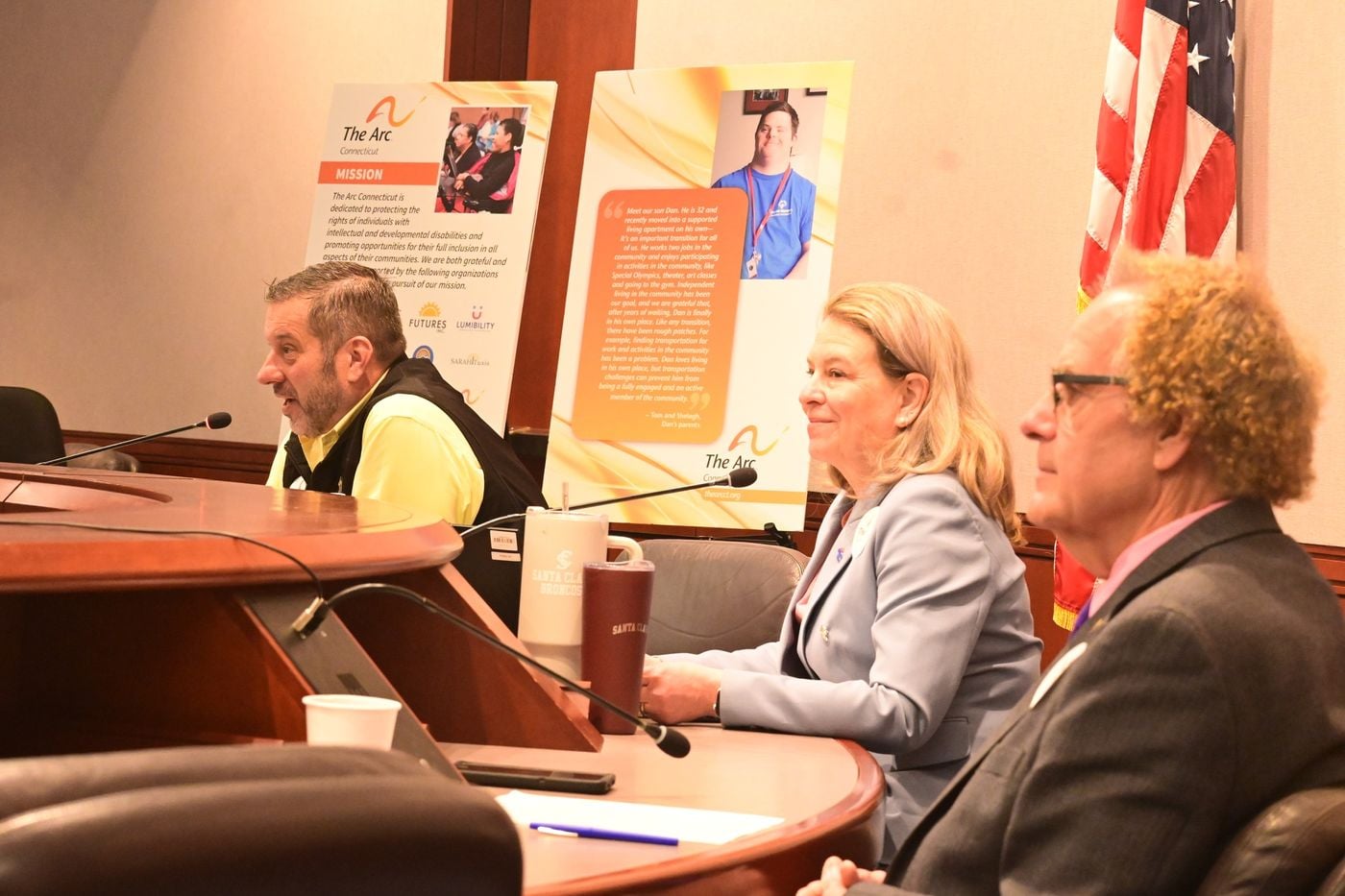
Every year, I have the privilege of joining the I/DD community for Family Hearing Day—an experience that continues to ground and inspire my work. There is something powerful about hearing directly from families, caregivers, and advocates who live these realities every day. Their voices bring clarity, urgency, and purpose to the policies we shape.
This year was no exception. I was especially grateful to everyone who took the time to share their stories and perspectives, including Nicole Milo from House of Hope. Her testimony was both moving and eye-opening, highlighting the critical needs of individuals diagnosed with profound autism. She spoke candidly about the challenges many face as they age out of certain services—an often-overlooked transition that can leave families navigating uncertainty at a time when stability is most needed.
Over the years, we have made meaningful progress in strengthening the safety net for individuals with intellectual and developmental disabilities. But as these conversations remind us, our work is far from finished. Too many individuals and families still encounter gaps in care, barriers to access, and limited resources during pivotal stages of life.
Family Hearing Day is more than just an event—it’s a call to action. It reinforces the importance of listening, learning, and continuing to push for policies that ensure every resident has access to the services and supports they need to live safe, fulfilling, and high-quality lives.
I remain committed to working alongside this community to build a more inclusive and responsive system—one that truly meets people where they are and supports them throughout every stage of life.
###