
Housing, Affordability, and What Comes Next
Key Takeaways
- Lawmakers face rising housing costs that squeeze families and slow economic growth.
- Policymakers must prioritize increasing housing supply and cutting regulatory barriers.
- State and local reforms should expand market-rate development and streamline approvals.
- Tax and zoning changes can incentivize construction and protect homeowner equity.
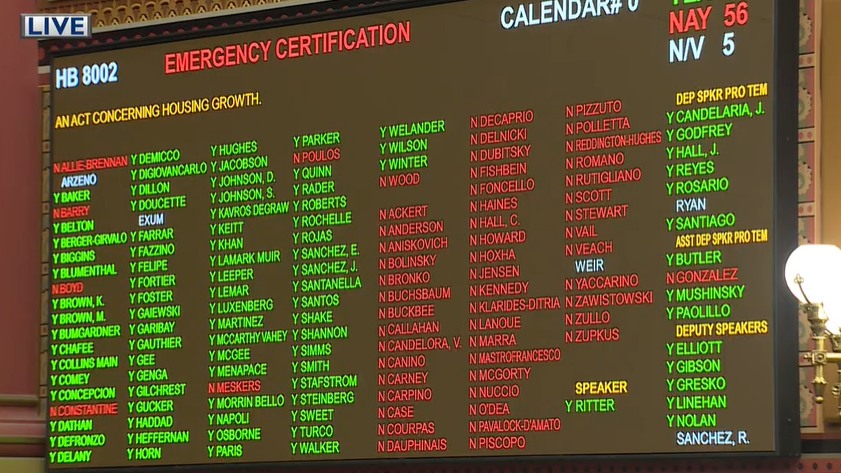
HARTFORD - Wednesday's House Session brought major debates to the House floor. I want to focus on HB 8002 and HB 8003—each with serious implications for our communities and for the future affordability of our state. I want to take a moment to break down what happened, why it matters, and what I believe we need to do moving forward.
HB 8002: A Step Backward for Local Control
Earlier in the day, I was genuinely encouraged to hear several members from the other side of the aisle voice concerns about HB 8002—the housing bill put before us. They openly acknowledged that the bill would harm their districts and made a critical point: these new regulations strip power away from local communities.
For a moment, it felt like common sense might prevail.
Unfortunately, the bill still passed on a 90–56 vote.
What does this mean for Torrington, Winsted, and Colebrook?
It means less local say over decisions that directly affect growth, development, and the character of our towns. Choices that used to be made by locally elected leaders—or even by residents themselves—will now be handed over to people who don’t live in our communities:
- Appointees on the regional council of governments, or
- Officials in the state Office of Policy and Management.
In other words: your voice will now be filtered through state-appointed bureaucrats. That’s not how local government should work, and it’s not what our residents deserve.
HB 8003: Affordability Still Hasn’t Been Addressed
Later in the session, as the federal government reopened, the majority moved $500 million into a reserve account, preparing for possible future federal cuts. While fiscal caution is important, the real issue remains unchanged:
Connecticut simply isn’t affordable. WATCH my comments here.
And on that point, I couldn’t agree more.
During debate, I spoke about the many ways our policies have steadily made life harder for families, workers, and seniors. Rent, groceries, utilities, and basic necessities continue to climb—yet the state has not taken the immediate steps needed to help ease that burden.
There are ways to make Connecticut more affordable right now, but it requires prioritizing residents over bureaucracy:
- Reducing the cost of living
- Reconsidering policies that drive up housing prices
- Supporting working families who are just trying to get by
These are practical, achievable goals. And they should be our focus.
Where We Go From Here
These debates made two things clear:
- Local decision-making is under threat, and our communities will feel the consequences of HB 8002.
- Affordability remains one of the most pressing issues facing our state, and we must address it before more families are priced out of Connecticut.
I will continue fighting to protect local control, push for transparency, and support policies that make our state a place where people can afford to live, work, and raise a family.
Thanks for staying informed—and as always, I welcome your thoughts, questions, and feedback.
More to come.
###