
Case’s public accountability bill receives support, moves forward
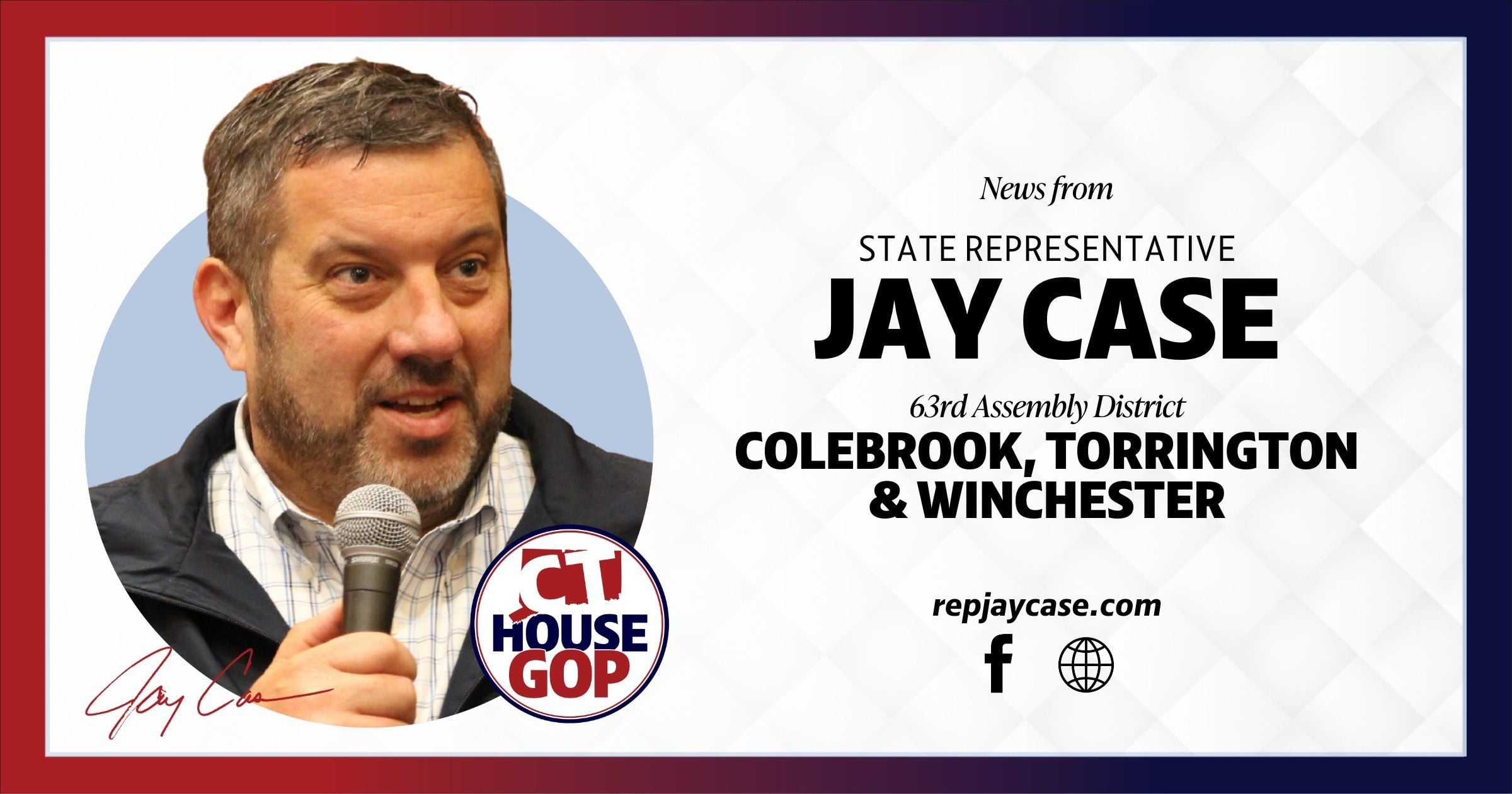
HARTFORD – A bill aimed at cracking down on public fraud is moving rapidly through the lawmaking process and gaining steam from the people who oversee its implementation.
The proposal would establish a mandatory minimum of five years imprisonment for any public employee charged with stealing more than $2,000 of taxpayers’ funds and defrauding the public’s trust, a first-degree larceny charge. Introduced by state Rep. Jay Case (R-63) in the wake of a local corruption case, H.B. 5342 is being supported by town officials and the Chief State’s Attorney’s Office.
“Unfortunately my community has first-hand experience with a former official who has pleaded in court of using millions of public dollars for personal gain, which presented a severe hardship to all of the residents and great harm to our bond rating and ability to pay bills and maintain a safe and healthy financial position,” Case told the legislature’s Judiciary Committee today. “The goal of this legislation is deter any official that has access to public funds to think twice before stealing from taxpayers for personal gain.”
The public accountability bill was designed after Henry Centrella, the former finance director for the town of Winchester, was charged and pleaded guilty to stealing more than $2 million over five years. Because of Centrella’s actions, the town is facing a severe uphill battle in regaining its financial traction.
In a public testimony, Winchester Selectman Candace Bouchard said: “I am a taxpayer of Winsted, which makes me a victim of the Centralla crime… A clear message has to be made to anyone considering working or currently employed in government. You will be held accountable and prosecuted to the fullest extent of the law for your actions. There is only one punishment for first degree larceny, and it’s not fines or rehabilitation – it’s jail time – mandatory five years.”
“We must deter corruption now and for the future,” Bouchard added.
The proposal now awaits a vote in the Judiciary Committee, which has until April 2 to pass the bill onto the House of Representatives.