
Case, petitioners call on Gov. Malloy to restore service cuts
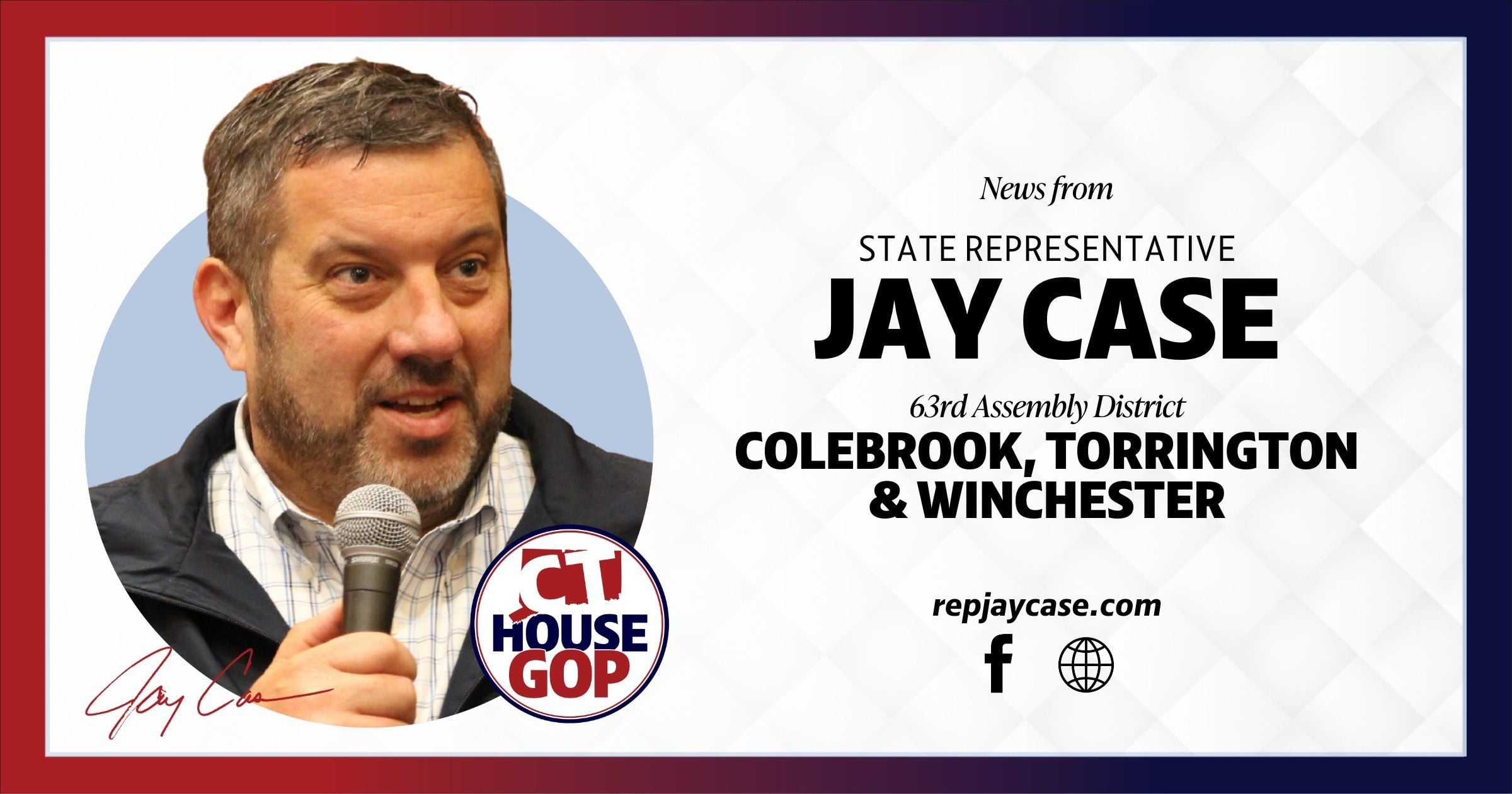
HARTFORD – Rep. Jay Case joined developmental and mental health advocates Thursday in calling for the governor to restore cuts to necessary services, which were slashed in his proposed biennium budget.
Case, a co-founder of the first-ever intellectual and developmental disabilities (I/DD) caucus, applauded the grassroots movement for their efforts, encouraged them in their endurance and told supporters he was working with legislator leaders to restore the cuts Gov. Dannel P. Malloy instilled earlier this year.
As of noon Thursday, advocates had gained nearly 12,000 petition signatures, which they delivered to Malloy’s office.
“These are real people and they have real stories,” Case told a packed hearing room at the Capitol complex. “And the governor needs to know that. He cannot continue to ignore these loud pleas for necessary services for Connecticut’s most vulnerable population. I’m here today to tell you: we are listening. Where the governor has fallen short, we, as lawmakers, will not.”
Dr. Michelle Rivelli, a West Haven resident with her pediatrics office in Shelton, said it’s time to stop these “crippling and inhumane cuts and recessions.”
“As a pediatrician, I also have seen the necessity of the voluntary services program. This provides a much-needed safety net for families of children with even more profound behavioral needs. Cutting these funds will be devastating to these families,” she said.
A 10-year-old Newtown resident, Katie Rowan, begged the legislators to reinstate the funding to the state Department of Developmental Services (DDS) Voluntary Services Program, which assists her older sister Amanda, who has autism.
“This program doesn’t just help my sister Amanda,” Rowan said. “It also helps my family. Before we had the help, we couldn’t do any of the things we wanted to as a family.”
With the governor’s services-slashing budget proposal exceeding the constitutional spending cap, legislators have started from scratch to assemble a reasonable spending plan for the next two years. The budget, which drives nearly every other policy and state governmental service, might need bipartisan support in a Democrat-controlled Capitol.