
Case Participates in News Conference on Spike in Homelessness
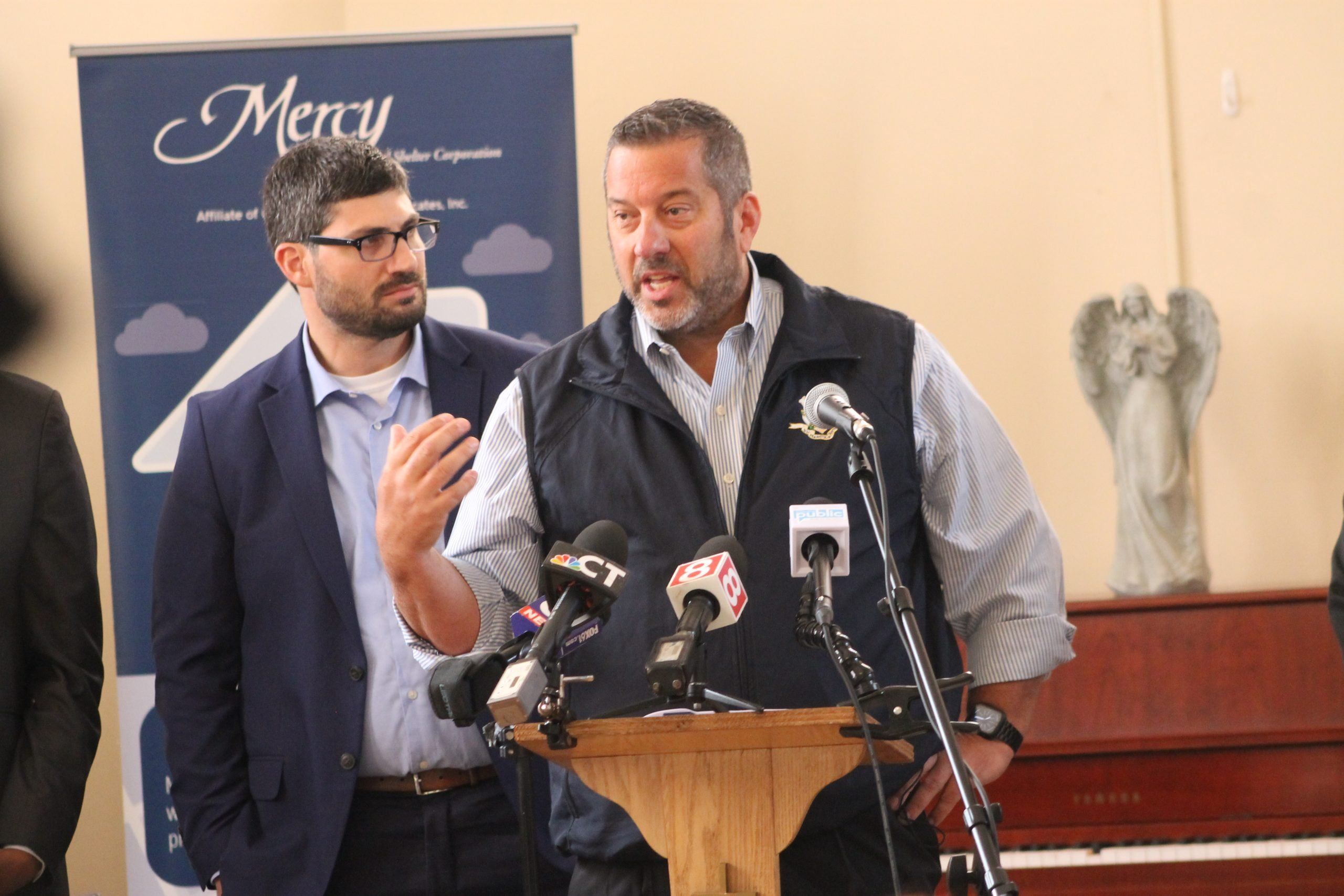
HARTFORD – State Rep. Jay Case (R-Winsted) joined fellow state lawmakers, nonprofit providers, and the Connecticut Coalition to End Homelessness (CCEH) at St. Elizabeth’s House on Friday morning to speak about the issues that have led to increased homelessness and how the state plans to address them. Specifically, Case advocated for greater resources to be allocated to the region of the state he represents, which is the Northwest Corner.
“Transportation is a major difference between the more populated cities versus our rural, smaller towns. People have additional obstacles when they can’t physically get to their shelters or places of employment. Looking forward to the colder, winter months, a cohesive action plan must be put together to ensure there are warm places to go for all of Connecticut’s families and individuals,” said Case, who serves as the Ranking Member of the legislature’s Human Services Committee.
According to the CCEH, homelessness has increased 13% on an annual basis. This sharp increase has been attributed to inflation, lingering impacts of the COVID-19 pandemic, and a statewide shortage of housing inventory – including a lack of affordable housing options.
Despite the call for greater resources to be driven toward addressing these symptoms, the legislature did approve a $5 million budget allocation for the various coalitions to implement housing solutions. Deputy Housing Commissioner Brandon McGee, who attended today’s news conference, indicated that those dollars will be released to Connecticut’s communities soon. Regardless, the lawmakers reached consensus that more must be done in a short period of time.
“It’s important to recognize that without lowering the overall cost of living and doing business in Connecticut, there will be related housing shortfalls. To combat inflation, I proposed that we eliminate unnecessary financial burdens – like the Highway Use Tax. This tax was implemented at time when residents simply cannot afford it, while the Special Transportation Fund continues to be solvent. When we make our budget adjustments in the upcoming short session, I will be advocating for policies that make our lives more affordable,” concluded Case.
At the conclusion of the news conference, CCEH’s Executive Director, Sarah Fox said that there are committed providers in every corner of the state, ready to help in situations of crisis. Residents are encouraged to dial 2-1-1 if they feel that they need additional housing or social services.
###