
Case Opposes Legislation to Automatically Erase Criminal Records
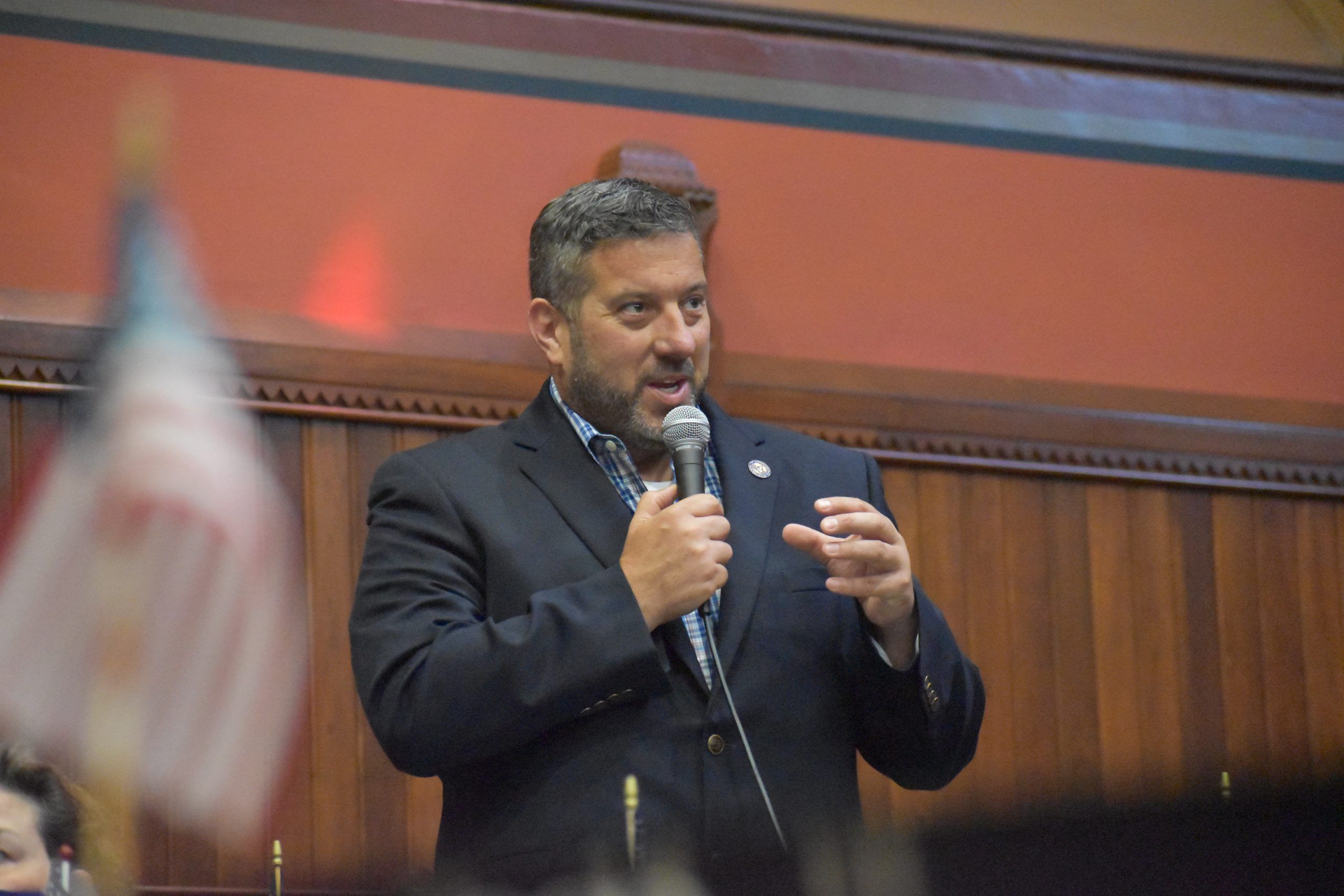
HARTFORD – The House of Representatives convened on Thursday in order to act on the ‘Clean Slate’ bill. The intention of the bill is to automatically erase certain crimes from one’s permanent record. State Rep. Jay Case (R-Winsted) opposed the bill because the automatic erasure of certain crimes disregards the rights of the victims of those crimes and circumvents the current process for a record amendment or erasure, which is conducted by the state’s Board of Pardons and Paroles.
“I supported several amendments that would have made the underlying bill much better. It’s critical that we allow those who have served their time and paid their debt to society, to rehabilitate and reintegrate within our society. The automatic erasure of a record takes away the decision-making authority of the board, which is contingent upon a character assessment and the notification of the victim of a convicted crime,” explained Case.
The bill that was approved on a party-line vote will automatically wipe away crimes such as purposefully abandoning a minor, animal cruelty, carrying a firearm on school property, and certain classifications of hate crimes and bigotry. The amendments offered by various Republican lawmakers sought to address these very issues, but each were voted down.
“We have a process for those who were previously incarcerated to amend their criminal history, but it should continue to be done through the Board of Pardons and Paroles. The statistics presented during the debate indicate that 80% of applicants to the board are granted an erasure. Perhaps there are ways we can streamline that application process, but our existing mechanism works,” said Case.
The bill will head to Governor Lamont’s desk, where it is expected to be signed into law. If it becomes state law, then roughly 300,000 individuals who had previously been convicted and incarcerated will qualify for an automatic erasure of their criminal history.
“It’s concerning. This bill puts the rights of victims second to those of the bad actors in our society. Without any oversight of record erasures, employers are at risk of hiring candidates that normally wouldn’t qualify for jobs in our public schools, coaching programs, or youth camps,” concluded Case.
###