
Candelora Urges Adoption of Cap on Gross Receipts Tax on Gas
This article was archived from the previous WordPress site. Formatting and media should be close, but may not match the original post perfectly.
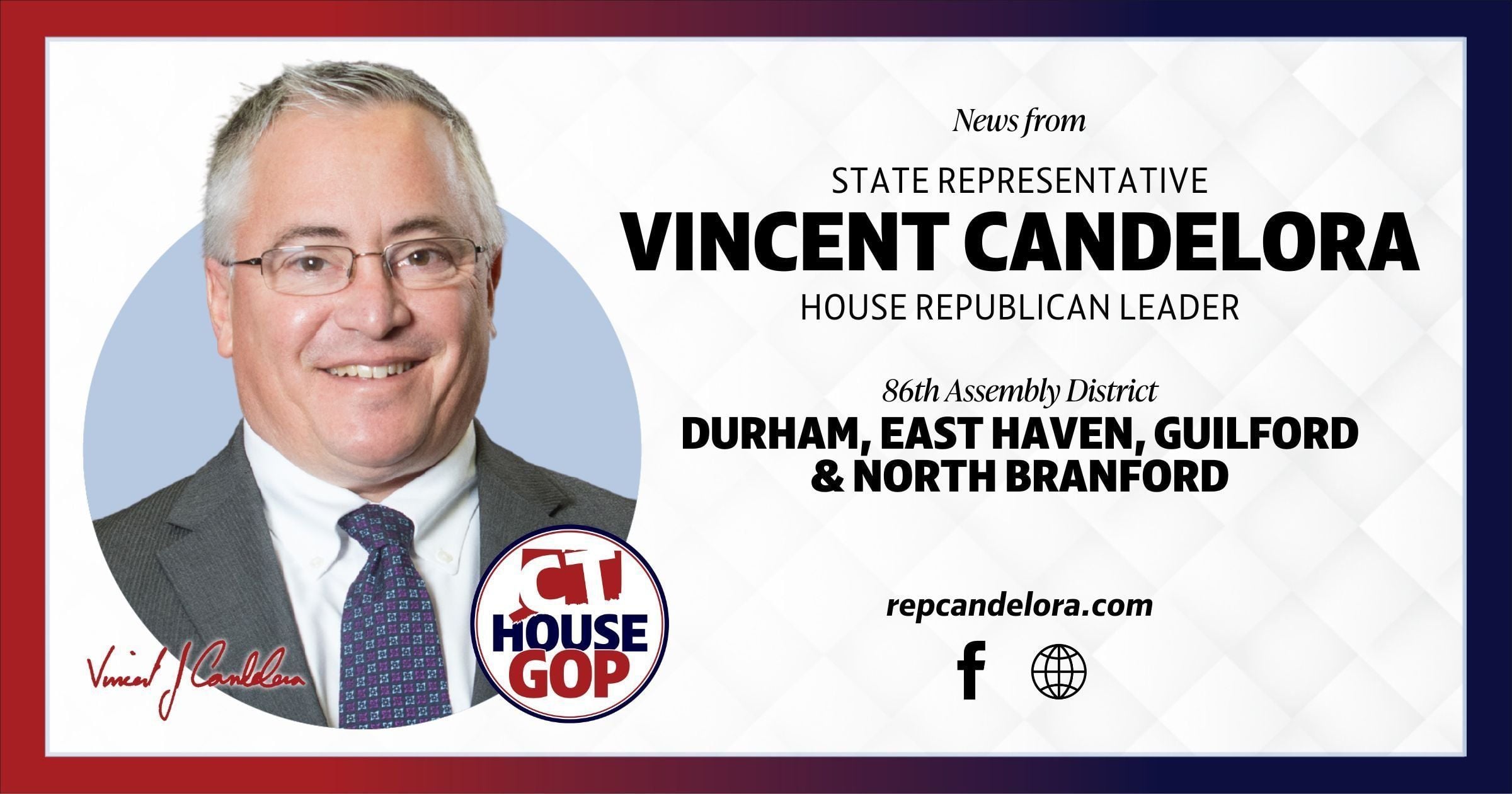
 This week State Rep. Vincent Candelora (R-86) called for the immediate adoption of a proposal that would place a temporary cap one of the state’s two taxes on gasoline, and said the General Assembly should then take steps toward making a cap of the hidden “gross receipts” tax permanent.
Over the past six years Candelora and his Republican colleagues have tried repeatedly to give residents relief at fuel pumps by proposing the cap, only to see majority party legislators reject or ignore those efforts no fewer than seventeen times since May of 2007. This week, however, legislative Democrats embraced the concept by proposing a year-long cap.
The per-gallon tax total paid at the pump represents three separate taxes. The federal tax— 18.4 cents, the fixed 25-cent state tax and the gross receipts tax levied as a percentage of the wholesale price combine for our total gas tax burden. The gross receipts tax rate is 7.53 percent, costing consumers roughly 23 cents per gallon—a figure that increases every time the price of gas rises. This provides a windfall to the state each time the price of gasoline spikes, increasing the pain to consumers.
“On this side of the aisle we have certainly attempted to ease the pain at the pumps caused by high gas prices for a number of years,” said Candelora, who serves as the Deputy House Republican Leader. “Each time we were voted down. In fact, last year Governor Malloy and legislative Democrats considered a proposed increase of three cents per gallon to a total of twenty-eight cents for the fixed state gas tax. This certainly represents a welcomed change of direction for our friends in the majority and we welcome that. Now we would like to see the measure become permanent.”
The proposal on the table would cap the wholesale price of gasoline at $3 a gallon and Candelora is urging his colleagues on the other side of the aisle to help push the temporary cap through the legislature immediately and onto the governor’s desk for approval.
Working toward a permanent cap remains crucial, Candelora said, because the temporary cap from majority legislators would expire in 2013 as an increase to the gross receipts tax is scheduled to kick-in.
This week State Rep. Vincent Candelora (R-86) called for the immediate adoption of a proposal that would place a temporary cap one of the state’s two taxes on gasoline, and said the General Assembly should then take steps toward making a cap of the hidden “gross receipts” tax permanent.
Over the past six years Candelora and his Republican colleagues have tried repeatedly to give residents relief at fuel pumps by proposing the cap, only to see majority party legislators reject or ignore those efforts no fewer than seventeen times since May of 2007. This week, however, legislative Democrats embraced the concept by proposing a year-long cap.
The per-gallon tax total paid at the pump represents three separate taxes. The federal tax— 18.4 cents, the fixed 25-cent state tax and the gross receipts tax levied as a percentage of the wholesale price combine for our total gas tax burden. The gross receipts tax rate is 7.53 percent, costing consumers roughly 23 cents per gallon—a figure that increases every time the price of gas rises. This provides a windfall to the state each time the price of gasoline spikes, increasing the pain to consumers.
“On this side of the aisle we have certainly attempted to ease the pain at the pumps caused by high gas prices for a number of years,” said Candelora, who serves as the Deputy House Republican Leader. “Each time we were voted down. In fact, last year Governor Malloy and legislative Democrats considered a proposed increase of three cents per gallon to a total of twenty-eight cents for the fixed state gas tax. This certainly represents a welcomed change of direction for our friends in the majority and we welcome that. Now we would like to see the measure become permanent.”
The proposal on the table would cap the wholesale price of gasoline at $3 a gallon and Candelora is urging his colleagues on the other side of the aisle to help push the temporary cap through the legislature immediately and onto the governor’s desk for approval.
Working toward a permanent cap remains crucial, Candelora said, because the temporary cap from majority legislators would expire in 2013 as an increase to the gross receipts tax is scheduled to kick-in.