
Bolinsky Pushes for CT ABLE Act
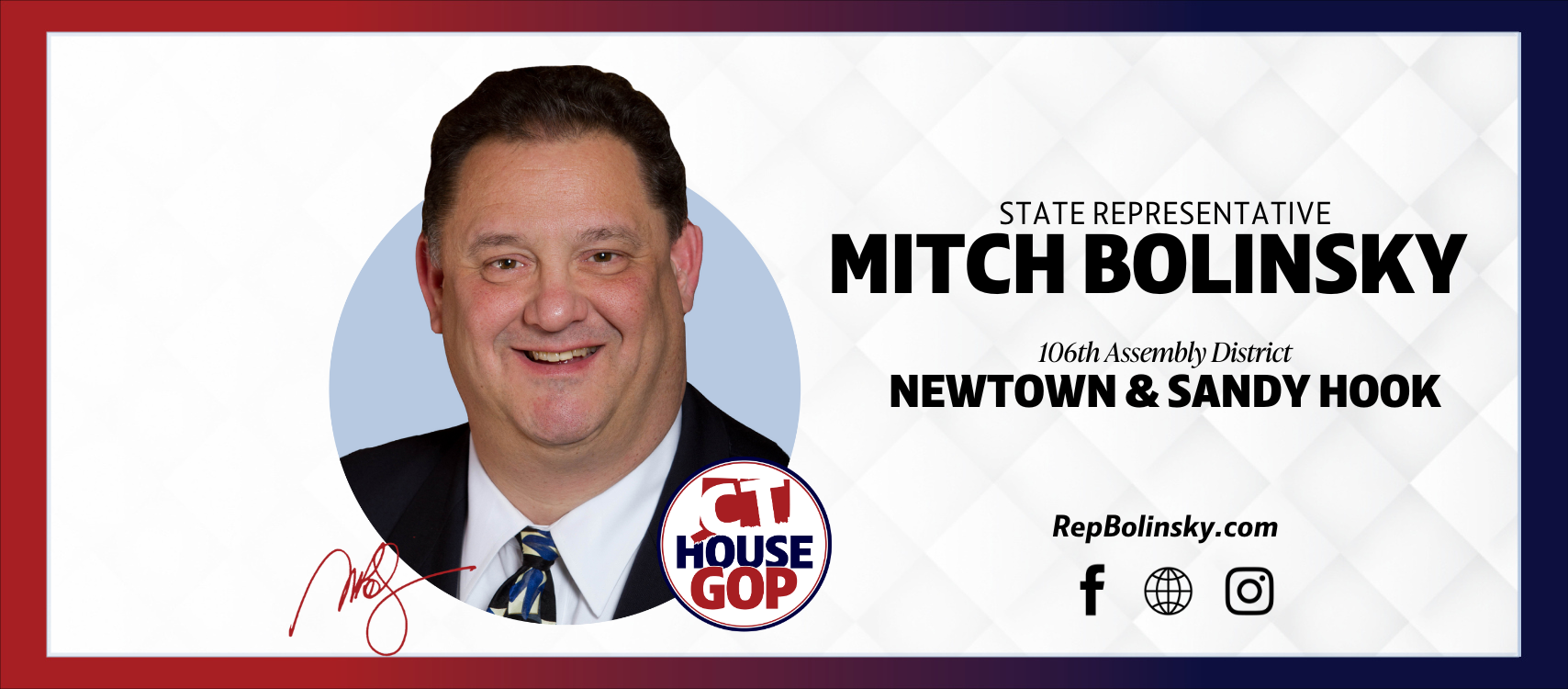
HARTFORD –State Rep. Mitch Bolinsky (R-106) strongly supported legislation in the House of Representatives to create a tax-free savings account (H.B. 6738), allowing people with disabilities to pay certain expenses in a state program modeled after the federally-proposed legislation: Achieving a Better Life Experience (ABLE).

The proposal would expand upon current regulations to also allow these savings accounts to be exempt from state taxes.
ABLE Accounts are tax-advantaged savings accounts for individuals with disabilities and their families. As a result of the federal ABLE Act, income earned by the accounts will not be taxed. In addition, contributions made to the account by any person (the account beneficiary, family, and friends) will be tax deductible.
By creating state tax-free ABLE accounts modeled after the federal law, families with children who have disabilities will be able to save for the many extra and significant costs of living with a disability. In fact, it allows for eligible individuals and families to establish ABLE savings account that will not affect their eligibility for these benefits. Many families who currently do not qualify for government subsidies due to income are left to fend for themselves.
“This is a very helpful piece of legislation to help individuals with disabilities and their families receiving state services and supports build a financial nest egg to cover things like funeral expenses, some accommodation expenses and special needs trusts – without having to worry about having their personal asset limit exceed the current $1,600 DDS limit. This measure provides comfort and protection to financially delicate caregivers,” said Rep. Bolinsky, a member of the Intellectual and Developmental Disabilities legislative caucus.
Expenses would qualify as disability-related if they are for the benefit of an individual with a disability and are related to the disability. They include education; housing; transportation; employment support; health, prevention, and wellness costs; assistive technology and personal support services; and other expenses.
The proposed bill passed the House of Representatives unanimously and now heads to the State Senate for further action.