
Bolinsky Approves Bill Backing Autism Patients
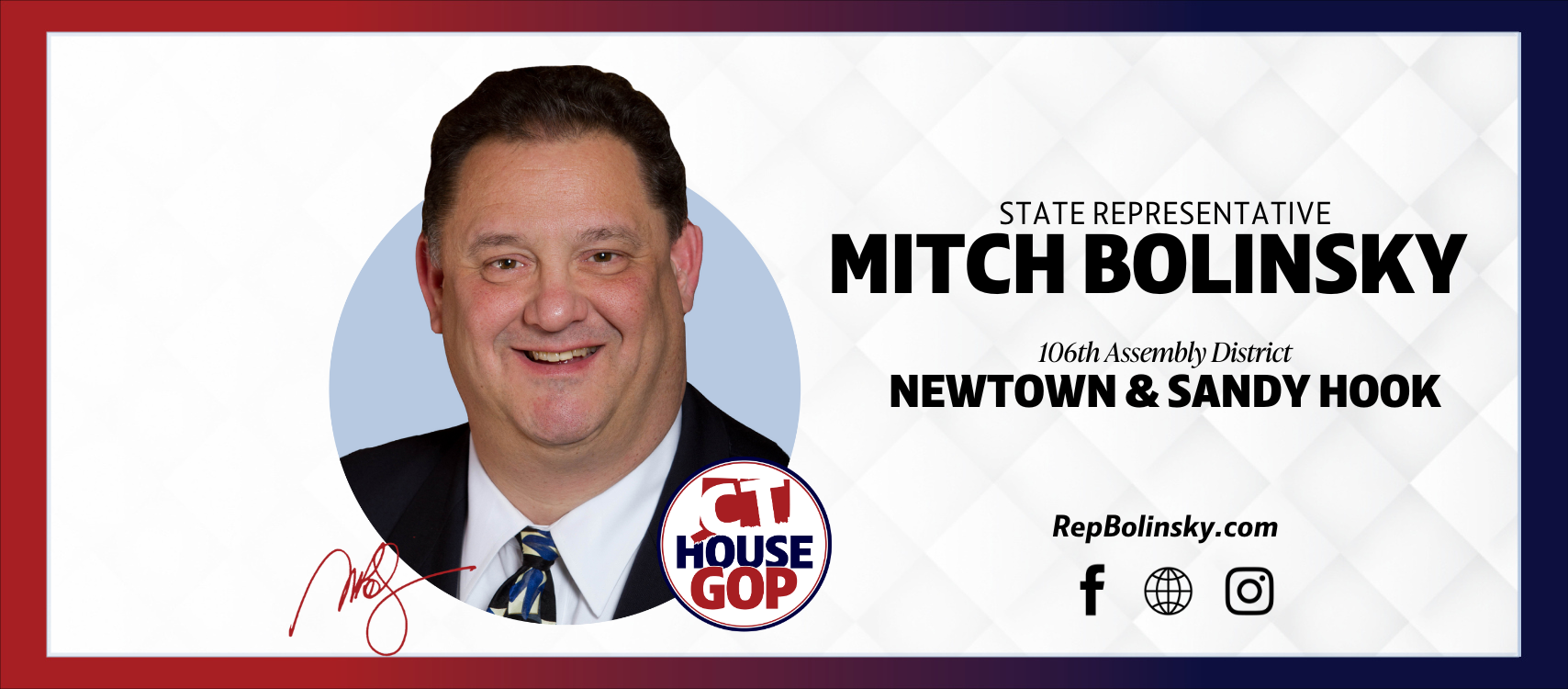

HARTFORD- State Rep. Mitch Bolinsky (Newtown) applauded legislation that guarantees individuals with Autism, who are currently covered by insurance and being treated will not have their coverage stopped because of a possible change in the definition of Autism.
The bill, House Bill 1029: An Act Concerning Health Insurance Coverage for Autism Spectrum Disorders, mandates health insurance companies continue coverage for treatments to patients that have been diagnosed with Autism under the old medical definition, despite the most recent medical definition of Autism being updated in the Diagnostic and Statistical Manual of Mental Disorders DSM-V that is due for publication this month. The bill requires that insurers at least maintain benefit levels for insured individuals diagnosed with autism spectrum disorder before the release of the fifth edition, rather than requiring that benefits for individuals diagnosed before or after this date be tied to: (1) the fourth edition of the DSM or (2) conforming changes, once made.
“The possibility of dropping the Asperger’s diagnosis in the new DSM has caused consternation with many families. Degrees of Autism can range from highly functioning to severe speech and intellectual disabilities. In general, individuals struggle with difficulties in communication, behavior and social interaction. One of the biggest concerns for me is that some who are higher functioning will no longer meet the more stringent criteria and will therefore may be denied necessary treatment services,” said Rep. Bolinsky.
The American Psychiatric Association publishes and periodically revises the DSM, which lists psychiatric disorders and their corresponding diagnostic codes. Each disorder included in the manual is accompanied by a set of diagnostic criteria and information about the disorder, such as associated features, prevalence, familial patterns, age, culture and gender-specific features, and differential diagnosis. Insurers, regulatory agencies, pharmaceutical companies, among others, routinely use the DSM. Under the current manual and state law governing group coverage, individuals who meet the criteria for having autism are diagnosed with autistic disorder, Asperger’s Syndrome, Pervasive Developmental Disorder-Not Otherwise Specified (PDD-NOS), Childhood Disintegrative Disorder, or Rett’s Disorder.