
Bolinsky Advocates for Electric Ratepayer Protections
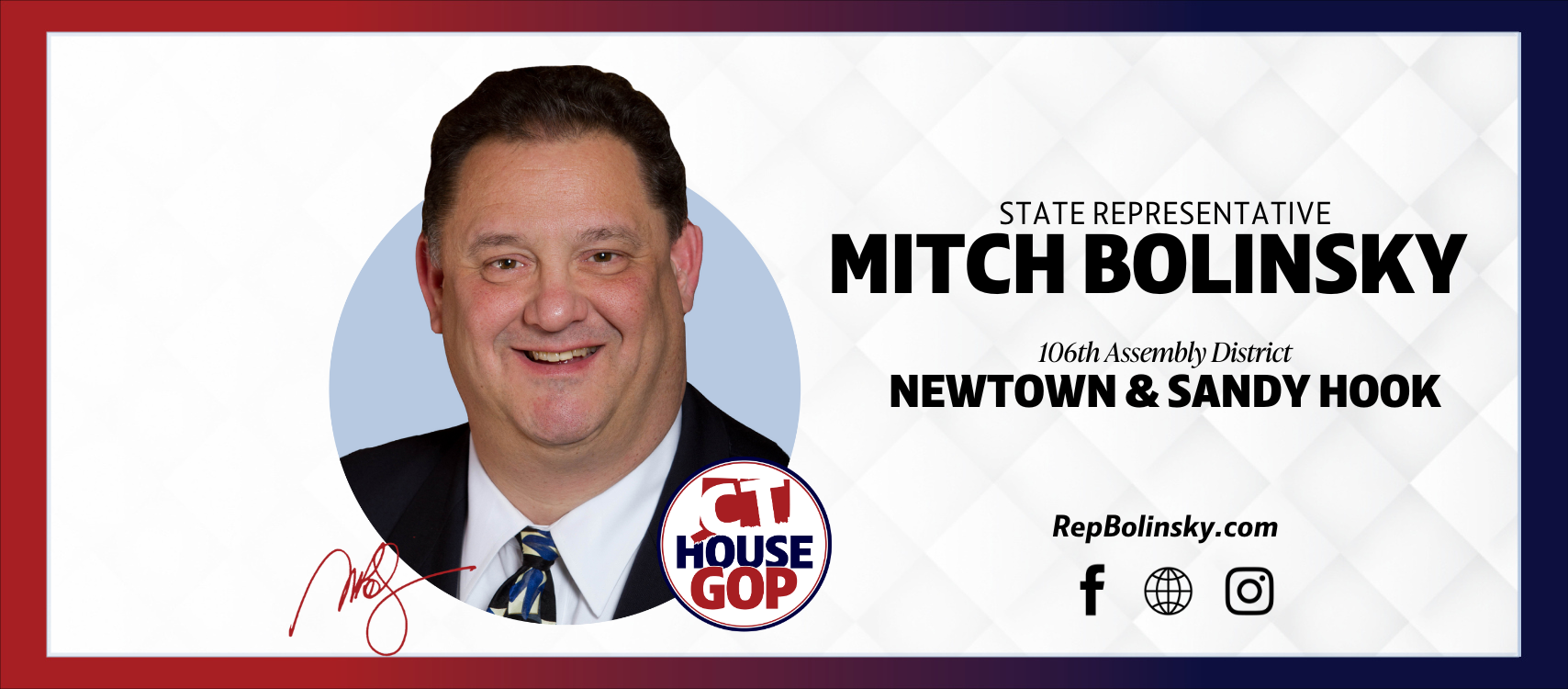
HARTFORD— State Reps. Mitch Bolinsky (R-106) is supporting a bipartisan proposal to protect consumers who use the retail marketplace to purchase their electricity from potentially deceptive and unpredictable variable-rate contracts.

The legislative proposal (S.B. 573) was approved in the State Senate Wednesday night, and both Newtown state representatives said they look forward to supporting the bill in the House before the session ends at midnight, June 3rd.
The so-called marketplace allows customers to search and sign deals with retailers who offer per kilowatt hour rates different from the standard generation rate offered by Eversource or United Illuminating. If approved in the House and then signed into law, the bill would ban variable rates.
Bolinsky said, “Unfortunately, with supplier choice, the “electricity marketplace” inadvertently allowed several unscrupulous sellers to crawl out from under their rocks and use variable rate contracts to cheat some unsuspecting consumers. By eliminating the variable rate option we can protect folks from those suppliers who baited consumers with low rates and switched them to higher rates without appropriate warning. The concept of the electricity marketplace was to allow consumers the ability to select suppliers that offer cost savings through lower generation rates. Personally, the Bolinsky-household has saved more than 20% on our average monthly bills through careful use of fixed term contracts and regular monitoring of rates and options. Another great part of the “marketplace is its flexibility for environmentally-oriented households to do business with suppliers offering “green energy portfolios” up to 100% clean generation. The green options cost a bit more but reduce one’s carbon footprint, something many customers favor.”
Last year, the Bolinsky and the General Assembly passed Public Act 14-75, which enacted reforms for the protection of electric consumers. Perhaps most significant was a requirement that, beginning this July, every residential electric customer’s monthly bill must display their rate for the coming month.
The latest proposal also requires the state’s Public Utilities Regulatory Agency to study what should happen when a customer’s contract with a retailer expires and the consumer fails to sign a new deal.