Latest News
Loading articles...
Loading photos...

State Representative | Deputy Republican Leader
District
123rd
Towns
1
Latest Updates
Swipe through recent posts
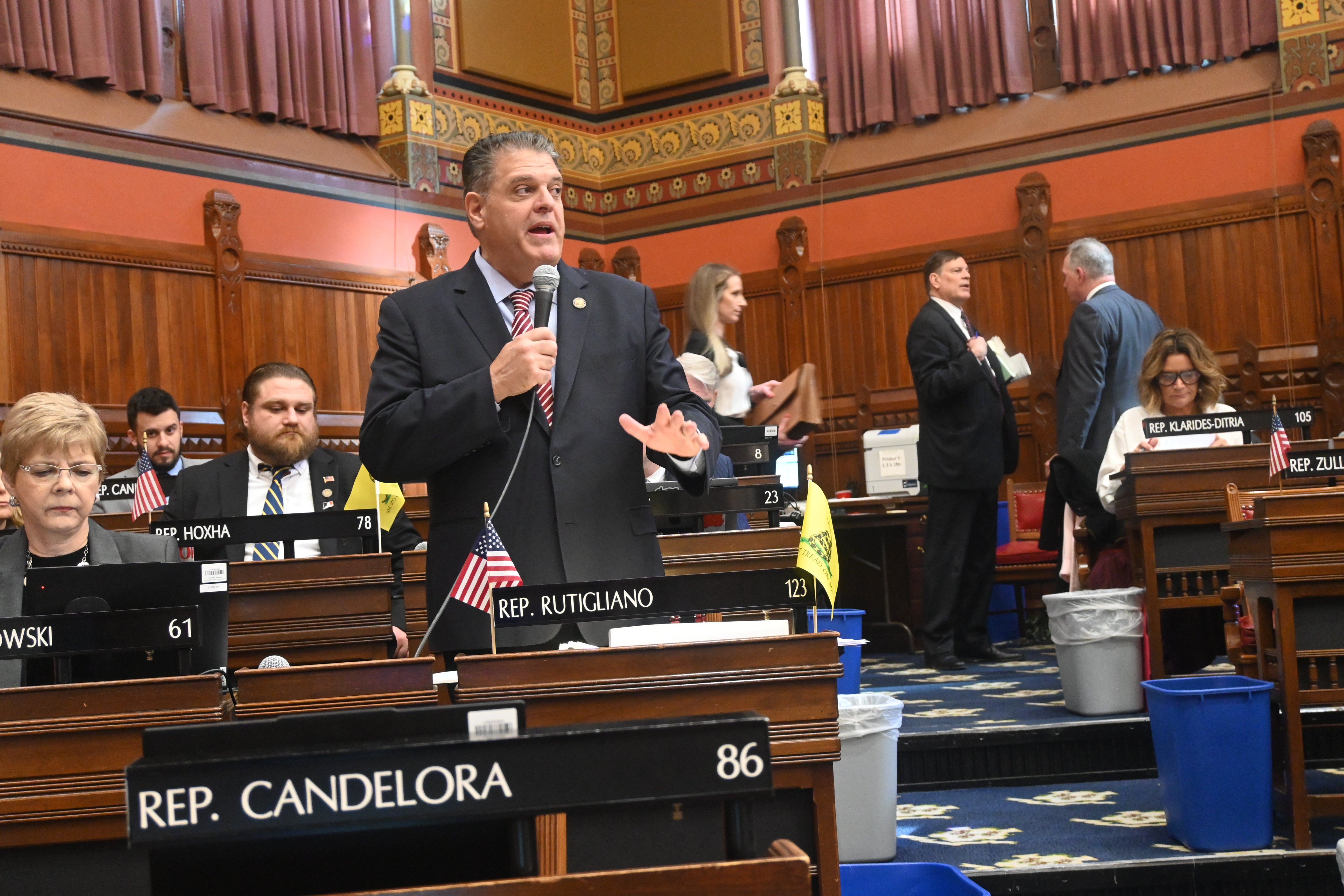
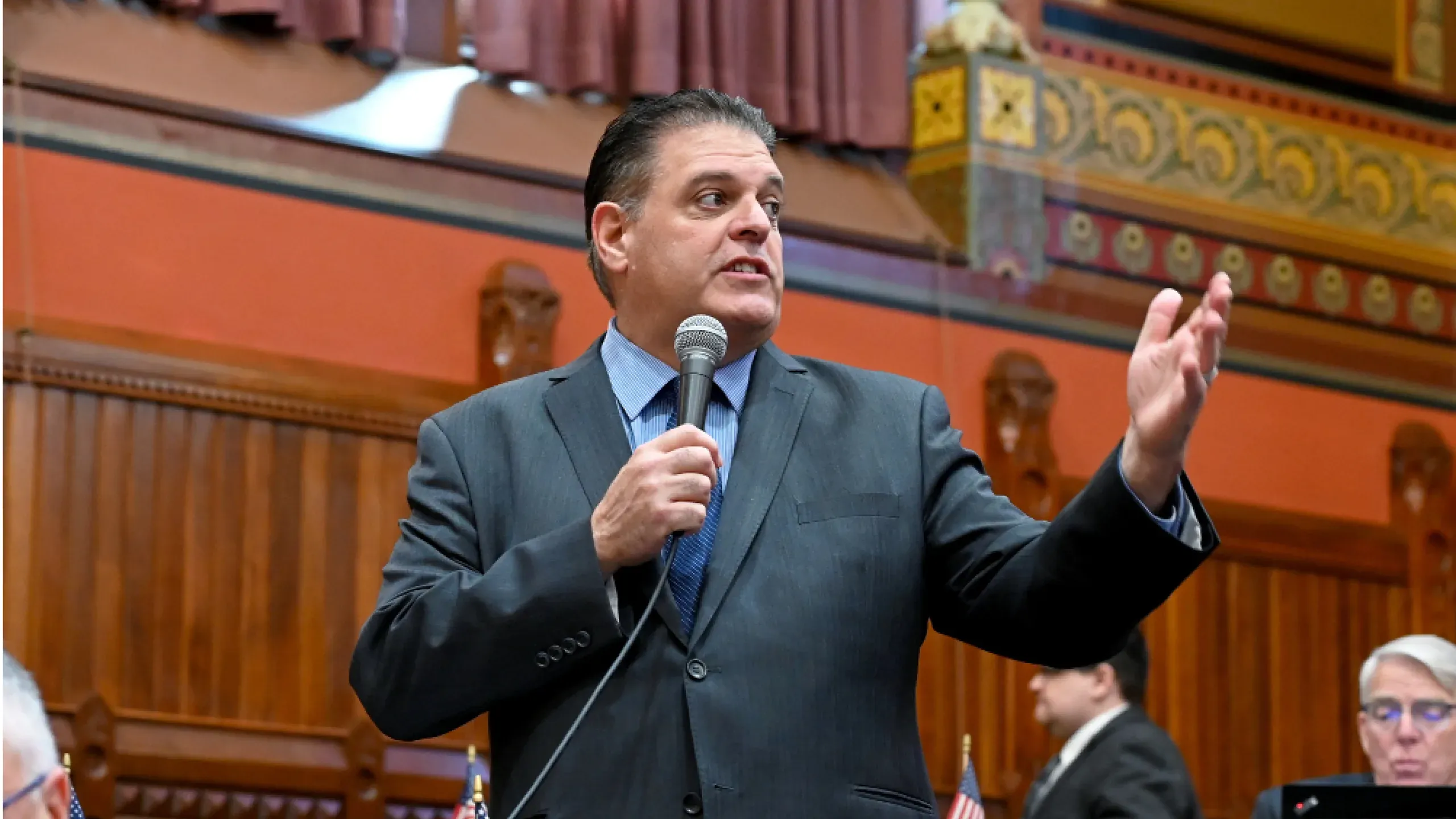
( House Video ) HARTFORD — State Representative David Rutigliano (R–Trumbull) voiced strong opposition to a sweeping cannabis expansion bill being advanced by the House Democratic majority, warning that the proposal weakens key safeguards, expands access beyond reasonable limits, and prioritizes industry growth over public health and safety in Connecticut. “This bill is a massive overreach that dismantles many of the common-sense guardrails put in place when cannabis was first commercialized,” said Rep. Rutigliano. “It opens the floodgates—raising THC potency, loosening marketing restrictions, and expanding access in ways that raise serious concerns for parents, law enforcement, and public health professionals.” Rutigliano pointed to several concerning provisions in House Bill 5350, An Act Concerning Cannabis, Hemp and Infused Beverage Regulation : Eliminates potency limits on cannabis flower and concentrates, allowing significantly stronger products into the market Loosens packaging and branding restrictions , permitting colorful, logo-driven designs that may appeal to minors Increases allowable THC levels in infused beverages Permits out-of-state patients and caregivers to purchase cannabis across state lines, raising potential federal compliance concerns Expands access to palliative-use products and redefines hemp-derived cannabinoids in ways that could create regulatory loopholes “We should not be making it easier to market high-potency THC products or creating new avenues for consumption without fully understanding the long-term psychological and public health consequences,” Rutigliano added. “We heard clear testimony from medical professionals and prevention experts warning that this is the wrong direction.” Rutigliano noted that while Connecticut continues to expand its cannabis framework, other states are beginning to reassess the impact of commercialization—particularly as it relates to youth use, addiction, and impaired driving. “I am not advocating for re-criminalization,” Rutigliano said. “But we need a thoughtful, responsible approach that prioritizes safety, accountability, and the well-being of our communities. This bill falls well short of that standard.”
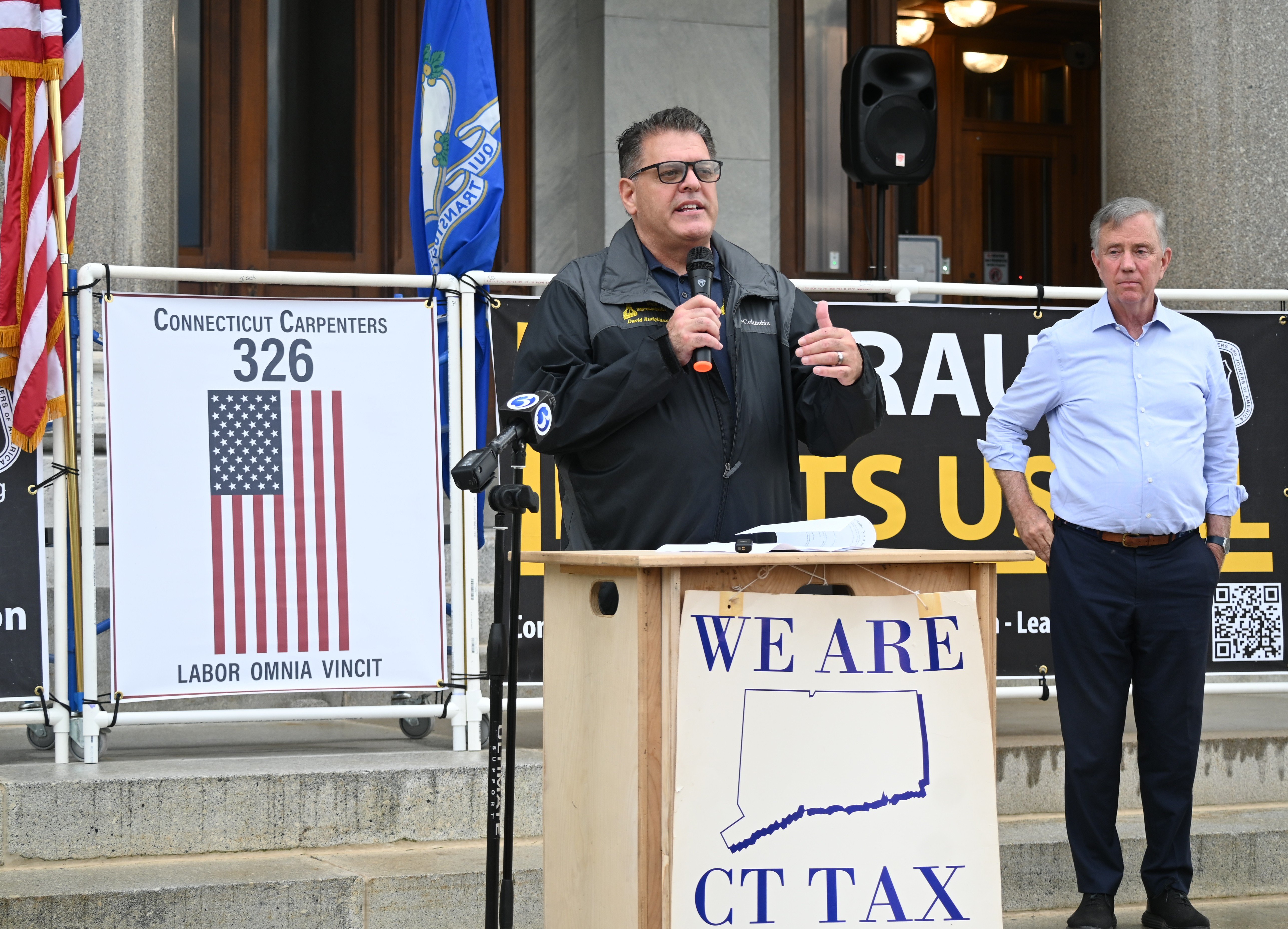
HARTFORD — State Representative David Rutigliano (R–Trumbull) stood shoulder to shoulder with union carpenters and labor leaders at the State Capitol today for the annual Tax Day Wage Theft Rally, calling attention to ongoing tax fraud and wage theft in Connecticut’s construction industry. Held on the steps of the Capitol, the rally is part of a nationwide day of action organized each year on Tax Day, with union carpenters across the country standing in solidarity to highlight the impact of illegal labor practices on workers, taxpayers, and law-abiding contractors. Rep. Rutigliano was invited to speak at this year’s event in recognition of his continued efforts to address wage theft and promote fair competition in the construction industry. This year, the legislature is considering House Bill 5275, An Act Concerning a Contractor's Responsibility for Unpaid Wages on a Construction Contract , aimed at strengthening accountability for unpaid wages in the construction sector. “At the end of the day, this comes down to basic fairness— if you put in a full day’s work, you deserve a full day’s pay. Period, ” said Rep. Rutigliano. “Wage theft and tax fraud hurt everyone—they cheat working men and women out of what they’ve earned, undercut honest contractors trying to do the right thing, and shift the burden onto taxpayers.” Rutigliano emphasized that while the problem is real and must be addressed, solutions must be carefully crafted to target bad actors without harming responsible small businesses or homeowners. “We need to hold accountable those who game the system and exploit workers, but we also have to make sure we’re not unintentionally hurting small contractors, local businesses, or families making improvements to their homes,” he said. “We can—and should—do both: protect workers and preserve opportunity for the people doing things the right way.” Organizers stressed the importance of bipartisan cooperation in addressing wage theft, noting that the issue transcends politics and directly impacts working families across Connecticut. “I’m proud to stand with Connecticut’s carpenters,” Rutigliano added. “This is about dignity, respect, and making sure that hard work is rewarded the way it should be.”
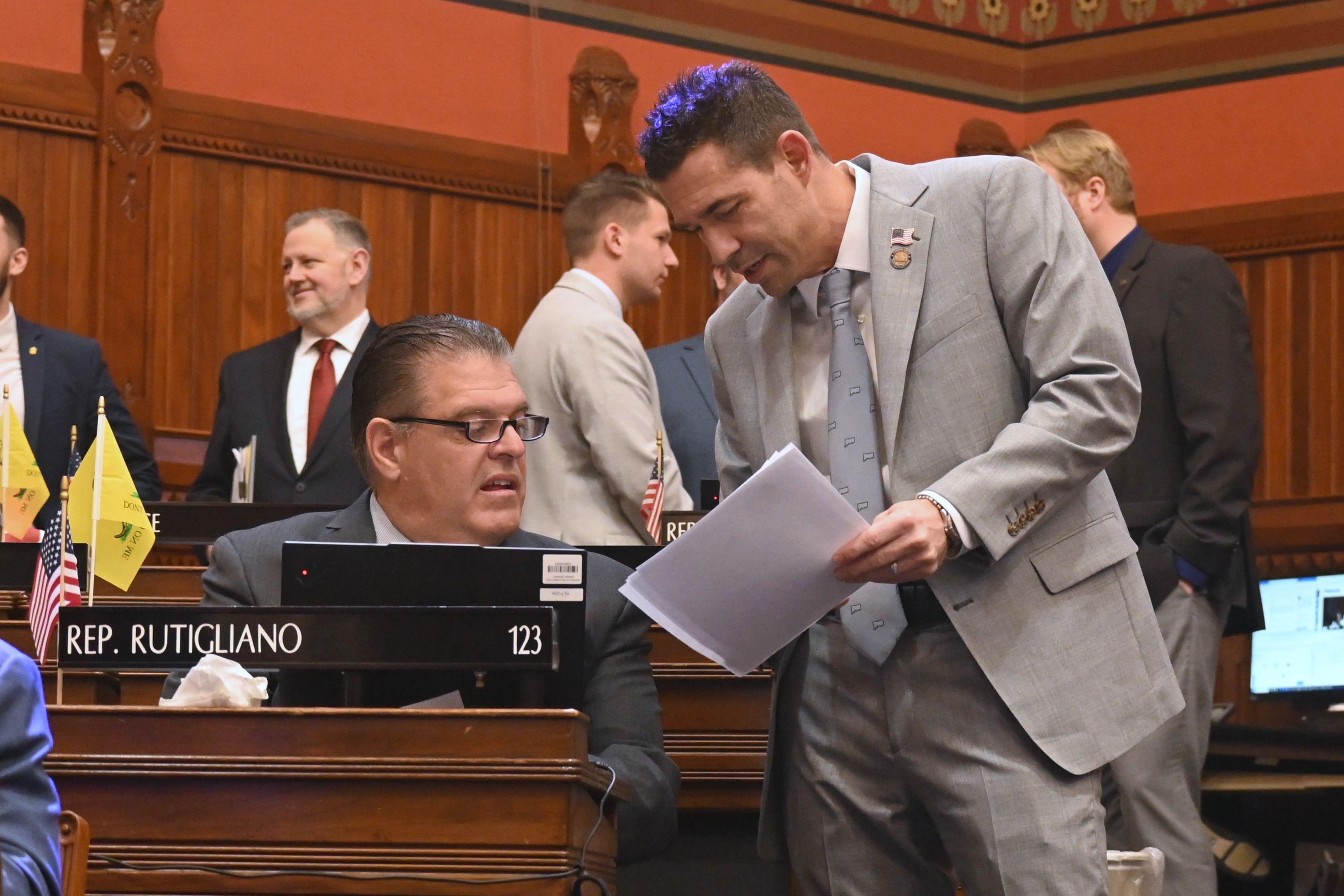
HARTFORD—State Rep. David Rutigliano on Thursday voted in support of legislation that would add new transparency, reporting and oversight requirements to legislatively directed funds, more commonly known as earmarks. The legislation, H.B. 5039, was developed in response to media scrutiny of state funding provided to nonprofit and community organizations. A federal probe into a Hartford-based organization that received state funding, combined with sustained pressure from House Republicans, proved to be a catalyst for change. The scrutiny has centered on the Blue Hills Civic Association, a Hartford-based nonprofit that received more than $15 million in state funds in recent years. A state audit released in early 2026 found serious problems with how Blue Hills spent taxpayer money, including what auditors described as a troubling pattern of financial mismanagement and a breakdown of internal controls. The Blue Hills controversy compounded broader Republican concerns about earmarks during the 2025 debate over the two-year budget, with House and Senate GOP leaders later holding a press conference pointing to several nonprofit recipients they said lacked any verifiable public presence or track record of work. "We are looking to protect taxpayers' dollars, which includes Trumbull taxpayer dollars, plain and simple. For too long, earmarks have been decided behind closed doors with little explanation or oversight. This reform shines a light on that process and ensures decisions are made in the open, where they belong,” said Rep. Rutigliano, a Deputy House Republican Leader. Among the most impactful elements of the legislation are reforms targeting a current gap in the system that allows earmark recipients to pass funds along to other organizations without approval, transparency, or accountability. Under the bill, that practice would require prior approval, and any organization receiving passed-along funds would face the same transparency requirements as the original earmark recipient. The legislation also requires the Office of Policy and Management (OPM)—the governor's budget office—to provide quarterly reports to the Appropriations, Finance and Government Oversight committees on disbursements to date and plans for remaining funds. Earmark recipients must also report annually to the administering state agency on how they and any organizations they passed funds to used the money. OPM would be required to post that information to a publicly accessible website. The bill further directs OPM to establish policies requiring funding recipients to disclose key organizational details, from the entity's legal name and leadership information to certifications that neither the recipient nor any organization they passed funds to has been convicted of or found civilly liable for fraud in connection with a government contract. OPM must share details of those policies with the leaders of the General Assembly. House Republicans have spent the past two years sounding the alarm on government transparency, accountability, and corruption. Among their proposals was the creation of an independent inspector general empowered to investigate abuses of public dollars and resources, a position they argued would give Connecticut a dedicated watchdog with real teeth.
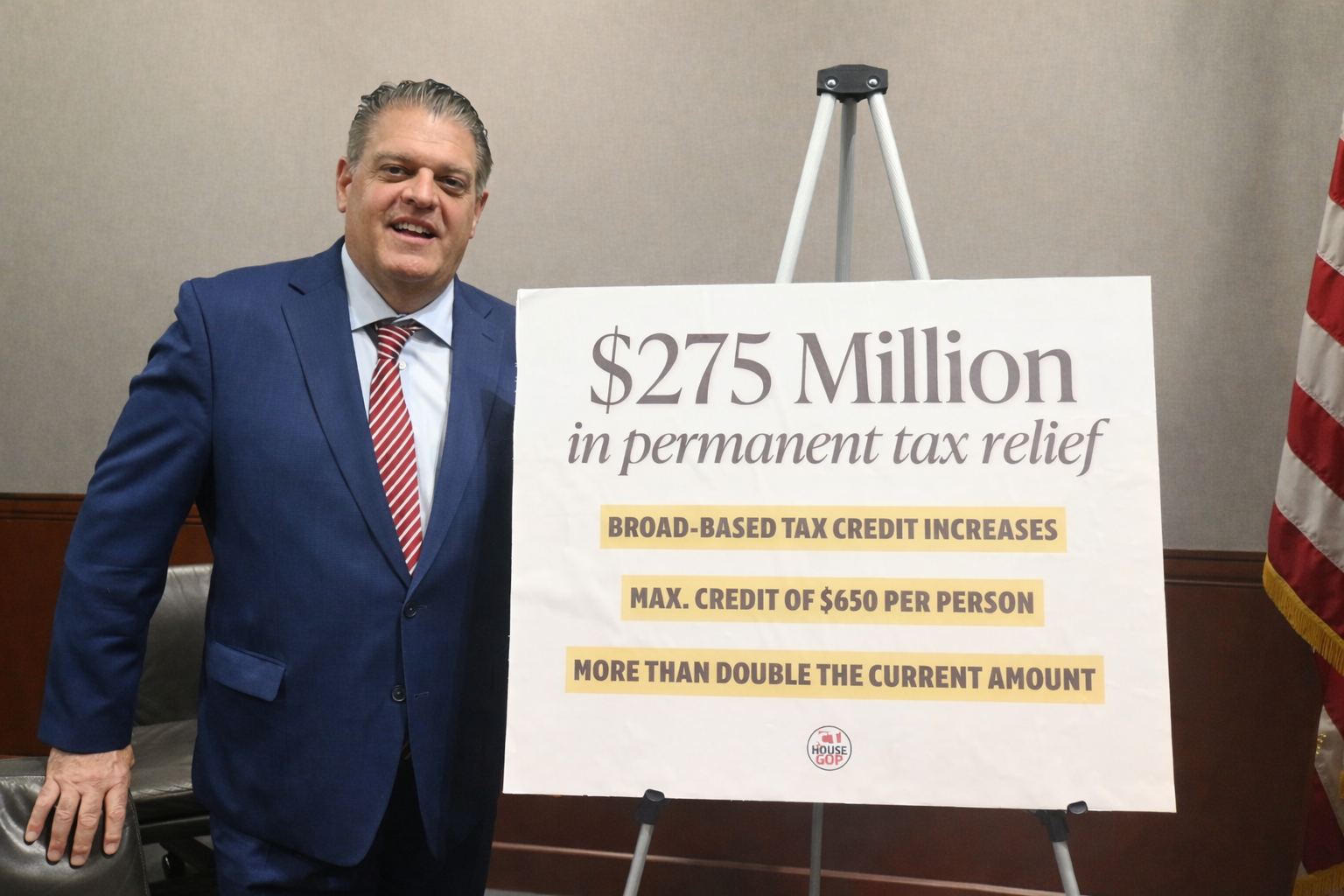
Call for Permanent property tax relief HARTFORD—As Connecticut Democrats tout one-time rebate checks as property tax relief, House Deputy Leader, State Rep. David Rutigliano (R-123) and the Connecticut House Republicans are calling on the General Assembly to address a structural revenue problem hiding in plain sight: New York's "convenience of employer" rule, which diverts millions in Connecticut-earned income tax dollars to Albany every year. And while New York has been winning this fight for years, Connecticut's governor and attorney general have been silent. Rep. Rutigliano said, “Families in Trumbull and across Fairfield County are doing everything right—working hard, often from home here in Connecticut—yet their income tax dollars are being shipped to Albany instead of supporting the communities where they actually live. That’s money that should be helping our towns fund schools, reduce property taxes, and invest locally.” Under New York's aggressive "convenience of the employer" rule, remote workers who are Connecticut residents employed by New York companies are treated as working in New York—even when they never leave their homes. New York collects the income tax. Connecticut gets nothing. The estimated 80,000 Connecticut workers caught in this situation aren't just losing their tax dollars to another state — they're paying more than they would here at home. New York's top income tax rate is 10.9 percent. Connecticut's top rate is 6.99 percent. Connecticut workers subject to New York's rule are being taxed at a significantly higher rate on income they earned without setting foot in the Empire State. Worse, these residents risk being taxed twice on the same income—once by New York under its convenience rule, and again by Connecticut. Connecticut addressed that concern in 2019 by creating a tax credit to offset some of that double taxation, but a credit is not a solution. It is a workaround that leaves New York's hand in Connecticut's pocket and does nothing to bring that revenue home. Even New Jersey—which also applies a convenience rule—has moved further than Connecticut to push back. In 2023, New Jersey enacted a refundable income tax credit specifically designed to encourage its residents to challenge other states' convenience rules in tax court. Connecticut has taken no comparable step to fight for its taxpayers. This isn't a new concern for House Republicans. In 2025, as they advanced an alternative state budget proposal, Republicans identified the convenience rule as a standalone structural reform—one with the potential to drive goals ranging from expanding the property tax credit to creating a child tax deduction. That proposal also included funding to help Connecticut residents who wanted to challenge the rule in court, since the state itself cannot initiate such a lawsuit. Democrats ignored it then. They're still ignoring it now. Repealing Connecticut's own version of the rule and asserting its right to tax income earned here could return more than $340 million annually to Connecticut, according to the nonpartisan Office of Fiscal Analysis. House Republicans say that money could go directly to Connecticut residents—permanently expanding the state property tax credit for homeowners, or bolstering school funding so towns aren't forced to raise taxes. “For many Trumbull homeowners, property taxes are one of the biggest bills they face every year. Our proposal puts real relief directly into the pockets of Connecticut families by expanding the property tax credit and making sure the people who pay these taxes finally see meaningful help,” said Rep. Rutigliano. House Republicans have introduced legislation this session to deliver permanent property tax relief directly to Connecticut families. The proposal would more than double the state property tax credit—raising the maximum from $300 to $650—while broadening income eligibility to reach more than 800,000 filers across Connecticut. Combined with the structural revenue that could be reclaimed from New York, House Republicans say the path to sustainable relief is clear. Last session, legislators passed a bill (PA 25-172) directing Attorney General William Tong to examine the issue and develop legal strategies to defend Connecticut residents and taxpayers. But while Tong, Governor Lamont, and General Assembly Democrats have made a cottage industry of filing lawsuits and holding press conferences over federal funding disputes, they have had remarkably little to say about New York doing the same thing. Connecticut workers are losing money to Albany every single day, and the two most prominent Democrats in state government have barely lifted a finger. Adding insult to injury, New York Governor Kathy Hochul has been publicly courting former New Yorkers who fled to Florida, urging them to return because she wants their tax revenue back. But she hasn't said a word to Connecticut residents who left New York. She doesn't need to. Thanks to the convenience rule, she's still collecting taxes on many of them. The tax grab isn't the only front where New York is winning at Connecticut's expense. Cross-border bottle deposit fraud—encouraged by the gap between New York's 5-cent deposit and Connecticut's 10-cent deposit—is costing Connecticut beverage distributors millions. New York's blockade of natural gas pipeline infrastructure, meanwhile, continues to deny Connecticut ratepayers a shot at affordability. Taken together, House Republicans say the pattern is clear.
.JPG)
HARTFORD – State Rep. David Rutigliano, a member of the Finance, Revenue and Bonding Committee, voiced strong support for bipartisan legislation aimed at boosting tourism and local economies across Connecticut—both large and small. “Tourism is not just about Mystic or New Haven pizza,” said Rep. Rutigliano. “As a small business owner, I know firsthand how important tourism and visitor spending are to the success of our local businesses and communities. When we attract events—whether it’s a major conference, a youth sports tournament, a college visit, or a weekend festival—those visitors stay in our hotels, dine in our restaurants, shop in our stores, and explore everything Connecticut has to offer.” “That’s why it’s so important that we continue to recruit events of all sizes and invest in a smart, coordinated strategy that brings more people to our state and encourages them to spend their dollars right here in Connecticut,” he added. The proposal, SB-2: An Act Supporting Local Commerce , would dedicate the existing 1% Meals and Beverage Tax revenue to Connecticut’s municipalities and tourism. The bill is scheduled for a public hearing on March 27 in the Finance, Revenue and Bonding Committee. The 1% Meals and Beverage Tax, enacted in 2019, is applied to prepared food and certain beverages in addition to the state’s standard sales tax. Under the proposal, revenue generated from this tax would be split between the municipality where it is collected and a strengthened, statewide tourism effort. The plan would provide much-needed support to local governments while investing in a coordinated, data-informed strategy to grow Connecticut’s visitor economy. Tourism remains a critical driver of Connecticut’s economy. It supports more than 125,000 jobs, generates significant state and local tax revenue, and fuels economic activity in communities across the state. The industry produces an estimated $19.5 billion in total economic impact and attracts approximately 70 million visitors annually. State officials estimate that for every $1 invested in tourism promotion, Connecticut sees a return of roughly $7 to $9 in tax revenue.
Towns Served