
Latest News
Loading articles...
Loading photos...

State Representative
District
62nd
Towns
4
Latest Updates
Swipe through recent posts
Hartford - Several new state laws will go into effect on October 1 and may be important to you, your family or your business. Our priority remains protecting public safety, supporting our veterans, and keeping state government accountable to taxpayers. Key legislative updates include: Enhanced Road Safety & Fines: Starting October 1, drivers face tougher penalties for certain violations. Distracted driving is now expanded to drivers who watch videos on their phones, and drivers who violate storm travel bans face an increase of fines to $250, among other changes. E-Bike Guidelines ( P.A. 26-24 ): Establishes an exact 750-watt motor limit for e-bikes, restricts Class 2 bikes on natural-surface paths without local authorization, and excludes dirt bikes and ATVs from e-bike classifications. Expanded Dental Care for Veterans ( P.A. 26-35 ): Under the Hero Act, eligible veterans can receive up to $3,000 per year for dental care. Consumer Privacy Safeguards ( P.A. 26-64 ): Among other changes, it prohibits a streaming video service from transmitting to a consumer commercial advertising audio that is louder than the video it accompanies, consistent with FCC regulations; makes violations a CUTPA violation. All new laws can be viewed by clicking here .

HARTFORD / ROCKY HILL - As Ranking Member of the Veterans’ Affairs Committee, Rep. Mark Anderson recently attended several recent events that focused on caring for Connecticut’s Veterans. These two key events were the Veterans Stand Down in Rocky Hill, which provided essential services, medical screenings, and meals, and a meeting of the Veterans with Disabilities Task Force at the State Capitol alongside VA Commissioner Ron Welch and retired Brigadier General Nieves to tackle the critical issue of veteran suicide prevention. Events like Stand Down are an important reminder that serving our veterans doesn’t end when they come home. They deserve access to the benefits, services, resources and support they have earned through their service to our country. Veterans commit suicide at a concerning rate of more than 17 each day, and each one is more than a number, they are a loved one. Rep. Anderson continues to listen, works to close gaps in care and ensure they receive the resources they have earned. If you or a veteran you know is struggling, please reach out for help. https://www.veteranscrisisline.net/
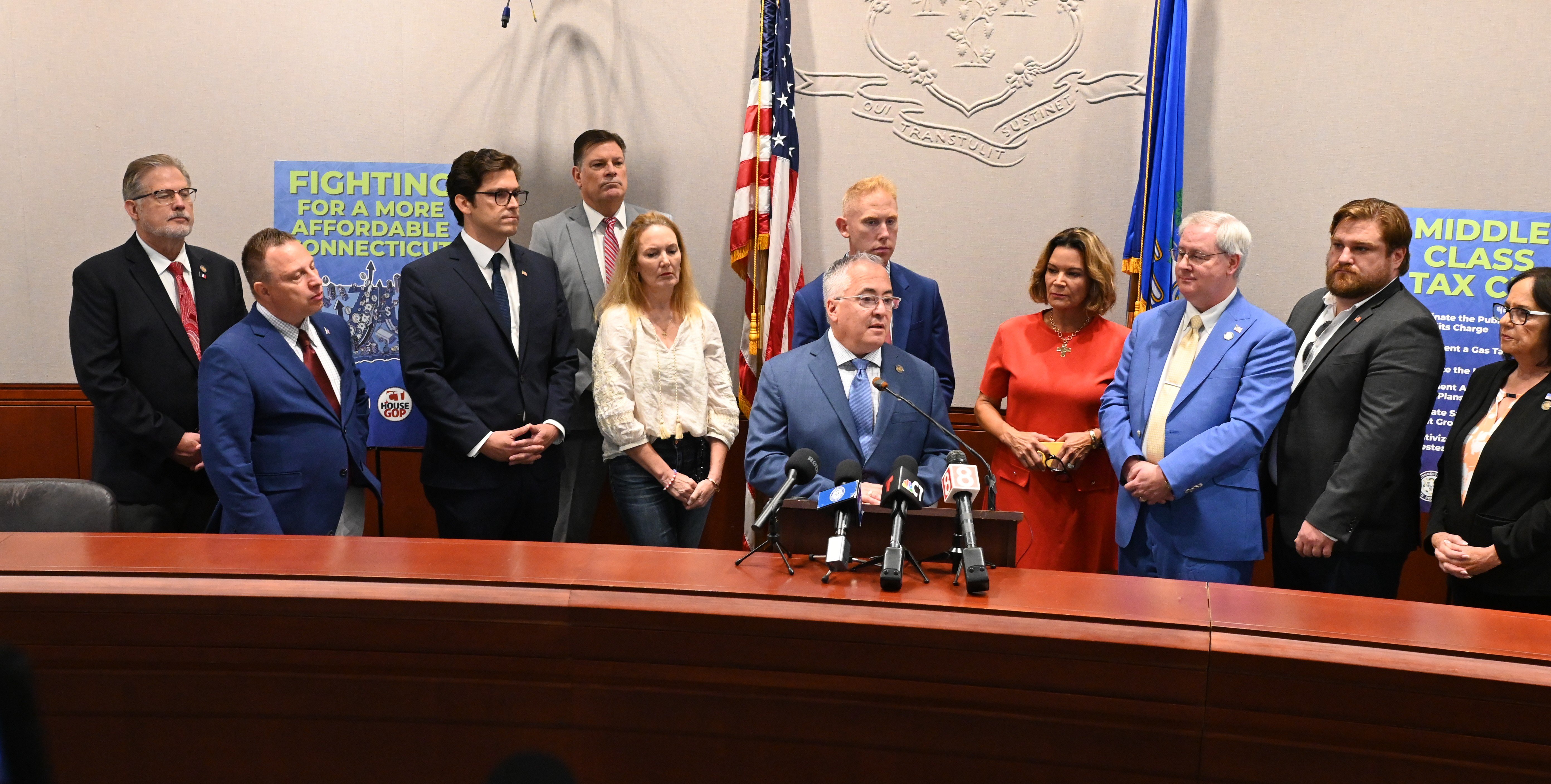
HARTFORD - Rep. Mark Anderson recently joined his Republican colleagues in Hartford for a press conference focused on making Connecticut more affordable. House and Senate Republicans are answering the calls from families and businesses who paying far too much for just about everything, and they presented their plan on how to address it at the state level. The Senators and Representatives are pushing for wide-ranging financial relief that they believe residents will benefit from, including: Eliminating the public benefits charge on electric bills Reducing the income tax Lowering health insurance premiums Eliminating the Highway Use Tax to lower costs of everyday products Providing relief at the gas pump by halting gas taxes for a year People work very hard for their money, and shouldn't have to watch more and more of it disappear into taxes, fees and rising costs, according to Anderson. It's time to make affordability a priority for Connecticut families, and Rep. Anderson pledged to keep fighting for that in Hartford.

HARTFORD - If you’re looking for something interesting to do with the family, the Museum of Connecticut History in Hartford has an exhibit worth checking out that's a part of Connecticut’s 250th anniversary celebration. The Connecticut’s Revolution exhibit explores the people, ideas and experiences that shaped Connecticut during the American Revolution, and how our state helped shape the course of American history. Highlights include the “Goddard Broadside,” one of only nine copies of the Declaration of Independence printed by Mary Katharine Goddard Connecticut’s resolution of June 14, 1776 sanctioning the state’s Continental Congressional delegates to vote for independence A pocket watch that crossed the Delaware River with its owner and George Washington The museum is open Monday through Friday from 10 a.m. to 4 p.m., with Family Saturdays once a month continuing through June 2027. Best of all, there's no charge for admission. It’s a great opportunity to learn a little Connecticut history, bring the kids, and see some of the documents and artifacts that tell the story of our state during one of the most important periods in American history. The Museum of Connecticut History is located inside the Connecticut State Library at 231 Capitol Avenue in Hartford.

HARTFORD - With the start of school just around the corner, Rep. Mark Anderson is informing residents that Connecticut will once again offer a tax-free sales week on many items and this year the list of eligible items has expanded. From Sunday, August 16 through Saturday, August 22, you can shop for most clothing and shoes under $300 without paying state sales tax. It’s perfect for families stocking up on back-to-school clothing, or anyone who wants to add to their wardrobes. Backpacks and other items are now eligible for this week as well. Every bit of savings helps, and this is a great chance to keep more money in your pocket while supporting our local businesses! More details can be found here .
Towns Served