
Special Session July 23
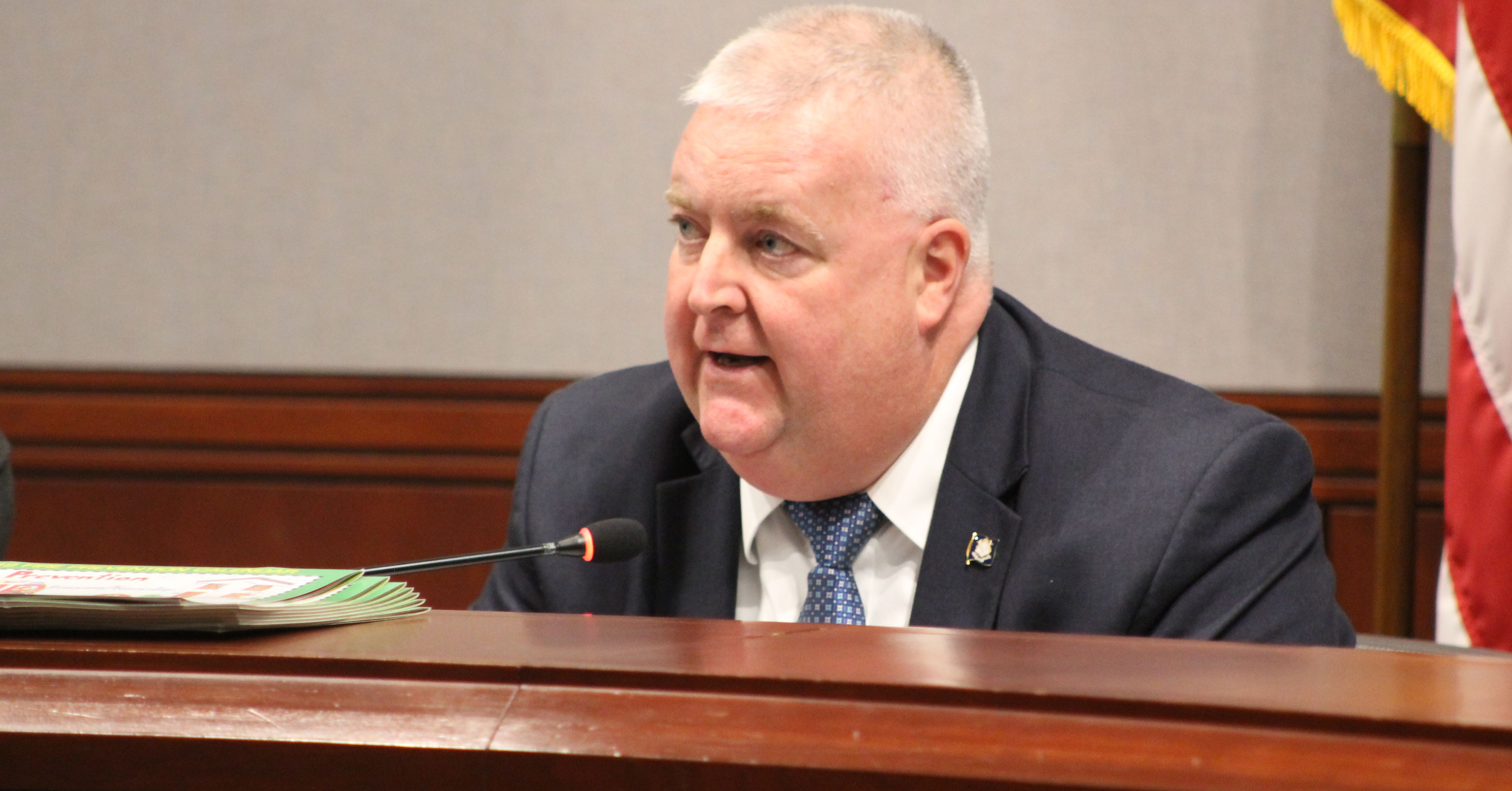
HARTFORD – During a nearly 22-hour Special Legislative Session July 23rd spanning into 24th, State Representative Lezlye Zupkus (R-89) voted on various legislation brought before the House of Representatives.
The first bill raised, An Act Concerning Telehealth, increases insurance coverage for telehealth medicine from December 1, 2020 to March, 15, 2021 and adds audio-only telephone. The second, An Act Concerning Diabetes and High Deductible Healthcare Plans, caps the price of insulin and allows pharmacists to dispense 30-day supplies of insulin in cases of emergency. Rep. Zupkus voted in favor of both bills, citing that both bills will benefit public health specifically those with diabetes, the elderly, and the immunocompromised.
An Act Concerning Absentee Ballots and Data Collection at the 2020 General Election and Same Day Voter Registration, which allows registered voters to request an absentee ballot due to concerns about COVID-19, was also called. Rep. Zupkus supported an amendment that would prohibit the Secretary of State from mailing all registered voters ballot applications before the election. While that amendment failed, she did support the final bill based on the additional public safety absentee ballot access will provide on Election Day.
At 1:30am on July 24th, An Act Concerning Police Accountability was raised. This bill addresses police accountability by mandating policy such as increased mental health screening for police officers, requiring body cameras, and increasing the role of the Police Accountability Task Force. An amendment supported by Rep. Zupkus, that kept qualified immunity for police officers intact, failed on a tie vote. The final bill was passed 86-58, with Rep. Zupkus voting in opposition.
“I was proud that we were able to pass legislation that will improve peoples’ health, and took action to keep people safer at the polls this November,” she said. “But I was very disappointed that, with limited debate and remote voting, the bill was rushed through and does not deal with bad cops remaining employed and rehired.”
“Debate and compromise were overshadowed by emotion. We should have created legislation that supported both the interests of the general public and the police, but instead voted on a bill that will have consequences for our public safety and the ability of our policemen and women to do their jobs.”
On July 28, the State Senate also met and voted each bill into law, pending the governor’s signature.
All four bills are viewable at www.cga.ct.gov. Any questions about this legislation may be directed to Lezlye.Zupkus@housegop.ct.gov.