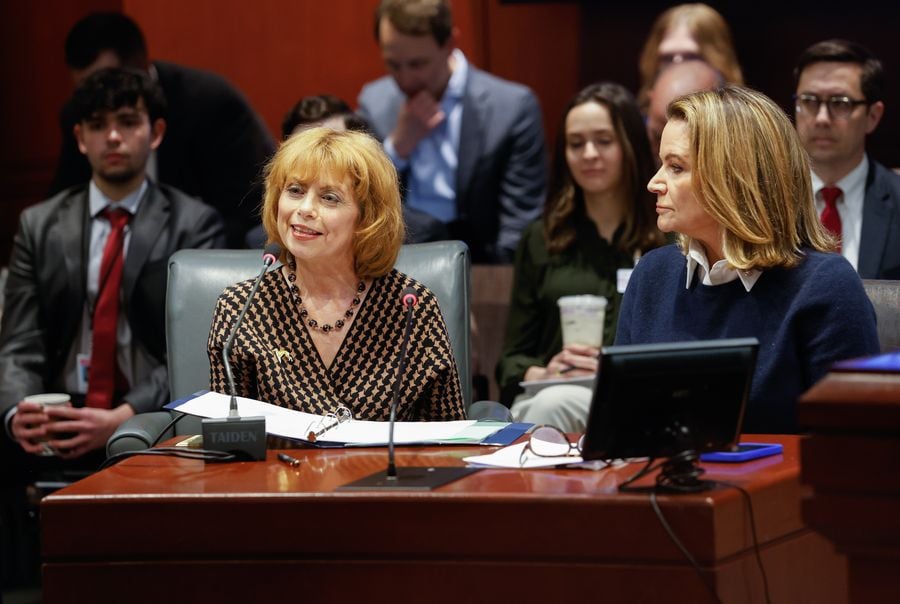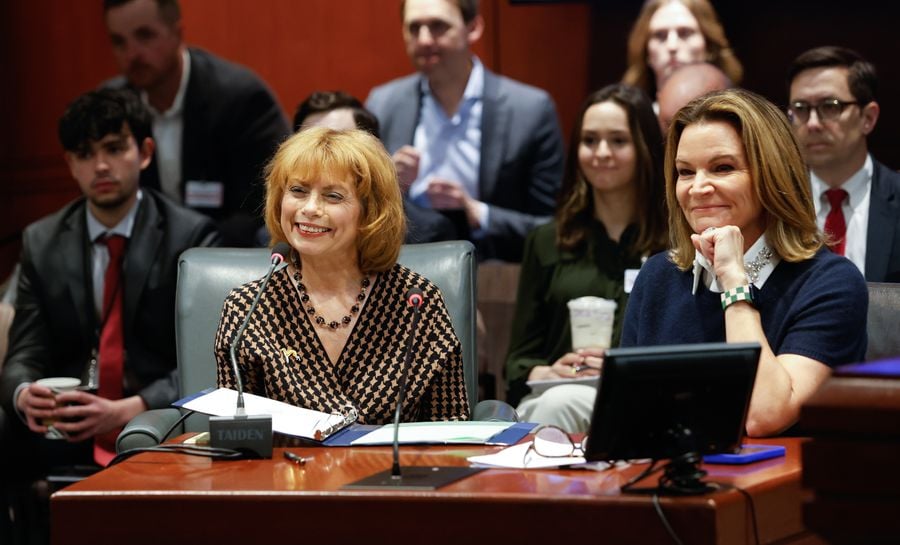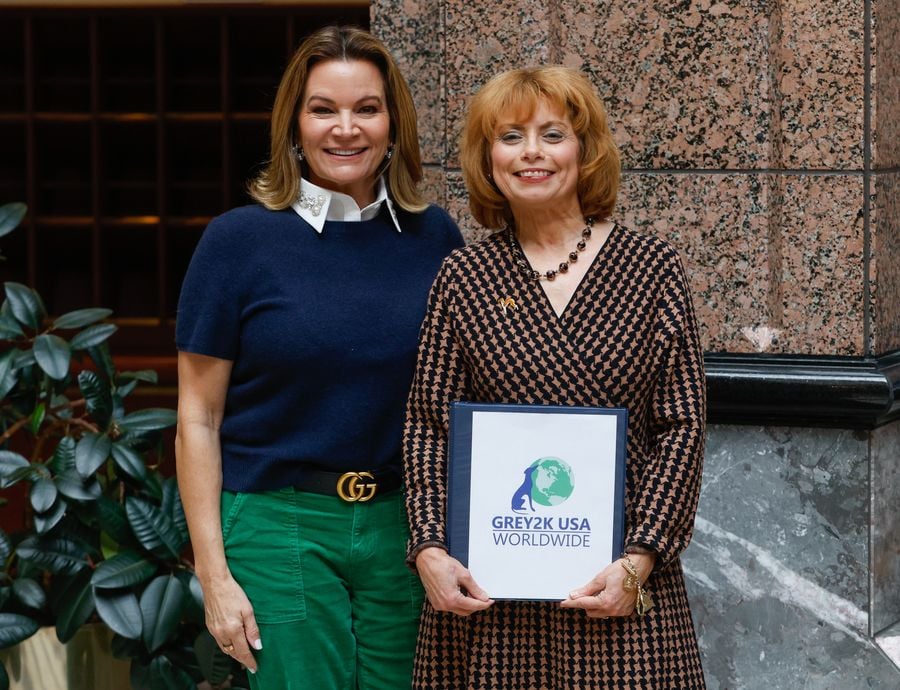
Rep. Klarides-Ditria, Advocate Christine Dorchak Call for CT Ban on Simulcast Dog Racing
Key Takeaways
- Banning the practice of online simulcast dog racing is good for animal welfare
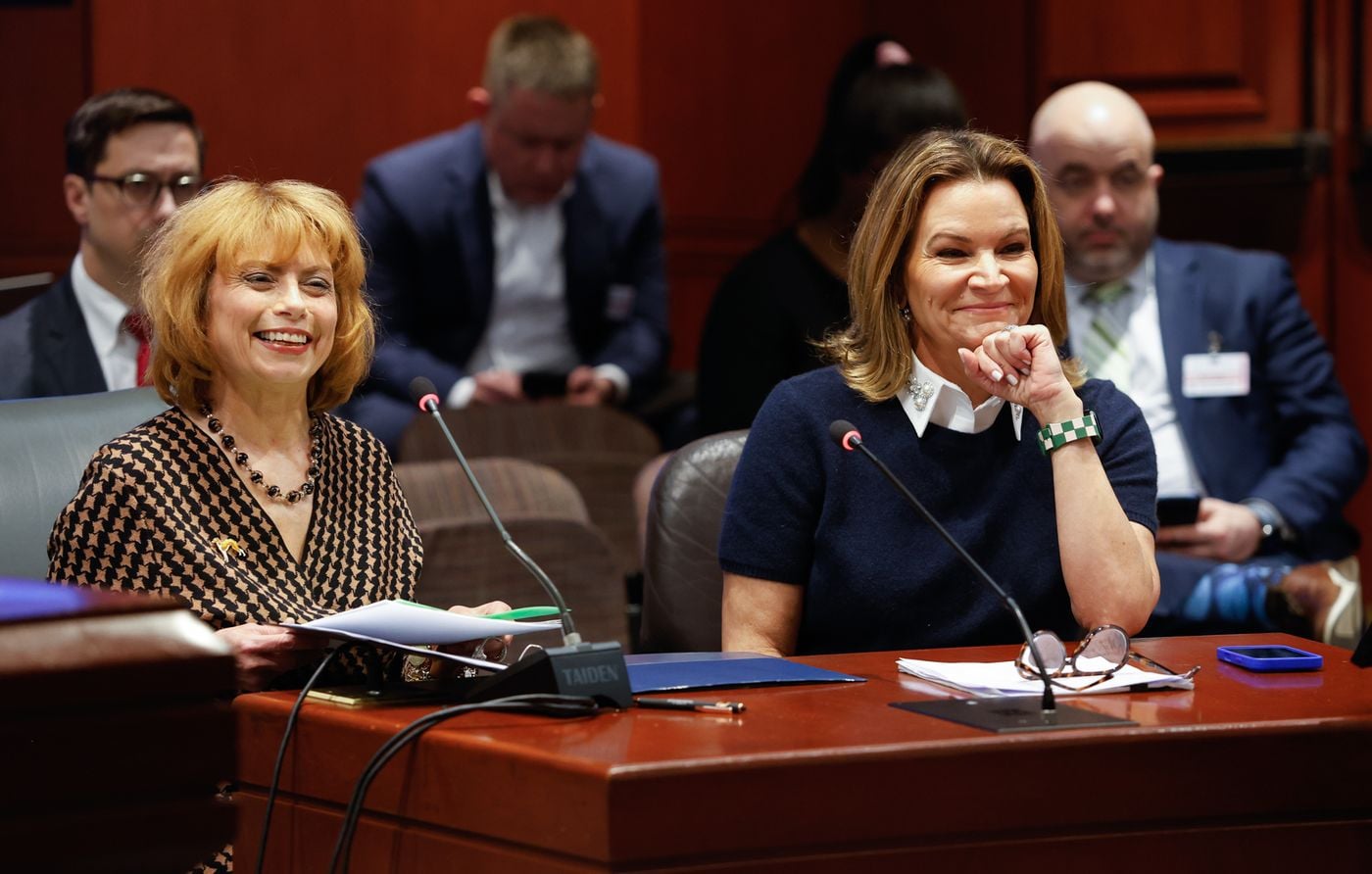
State Rep. Nicole Klarides-Ditria was joined by animal advocate Christine Dorchak, President and general counsel for Grey2K USA Worldwide
to testify in strong support of HB 5229 and against the practice that allows bets to be placed on simulcast dog racing. Despite Connecticut having outlawed live dog racing in the state in 2024, people are still able to place online wagers for dog races that occur in other states.
Rep. Klarides-Ditiria, a longtime animal advocate and co-chair of the legislature's Animal Welfare Caucus, has consistently called on her colleagues to end these dangerous, hurtful races, and to preserve the health and wellbeing of all animals in the state.
Rep. Klarides-Ditria submitted this testimony to the committee:
General Law Committee
Testimony In Support of H.B. 5229: An Act Concerning Gaming
March 4, 2026
Co-Chairs Maroney and Lemar, Vice-Chairs Fonfara and Turco, Ranking Members Cicarella and Rutigliano, and distinguished members of the General Law Committee, thank you for the opportunity to submit testimony in support of amending House Bill 5229: An Act Concerning Gaming, to prohibit the simulcast wagering on greyhound races in Connecticut.
First, I want to acknowledge the important step this legislature took in 2024 when we banned live greyhound racing in our state. That action reflected a bipartisan recognition that the practice no longer aligned with Connecticut’s standards for humane treatment of animals. It was a meaningful policy decision grounded in evolving public values.
However, while live racing is no longer permitted here, simulcast wagering on greyhound races continues. Under current law, Connecticut residents may still place bets at OTB and pari-mutuel facilities on dog races taking place in other states or countries. In effect, although we have ended live racing within our borders, we continue to financially support the industry elsewhere through simulcasting.
If we determined that live greyhound racing was inconsistent with our state’s public policy, it is appropriate to ask whether continuing to facilitate wagering on the same activity is aligned with that decision. Amending HB 5229 to prohibit greyhound simulcasting would close this loophole and ensure consistency in our gaming laws.
It is also important to consider the practical impact of such a change. The overwhelming majority of simulcast wagers placed in Connecticut—approximately 90 percent—are on horse racing, not dog racing. Greyhound simulcasting represents a very small portion of overall wagering revenue. Based on available figures, the fiscal impact of ending greyhound simulcasting would be minimal in the context of our broader gaming economy and General Fund.
Nationally, many states have already moved in this direction. A significant majority now prohibit dog racing simulcasting, and additional states are scheduled to do so in the coming years. Connecticut has the opportunity to align with this trend and ensure our policies reflect contemporary standards regarding animal welfare.
This issue is not about limiting gaming broadly, nor is it about undermining existing OTB operations. Rather, it is about maintaining policy consistency and ensuring that our laws reflect the values we articulated when we ended live greyhound racing in 2024.
For these reasons, I respectfully urge the Committee to consider amending HB 5229 to prohibit simulcast wagering on greyhound races.
Thank you for your time and consideration. I am happy to answer any questions.