
KENNEDY HOSTS FINANCIAL FRAUD BINGO IN MILFORD TO HELP RESIDENTS SPOT SCAMS
Key Takeaways
- Kennedy hosted Financial Fraud Bingo in Milford for local seniors
- Residents learned to recognize imposter scams, identity theft and online fraud
- Experts urged seniors to verify requests before sending money or personal information
- Community awareness remains a key defense against increasingly creative scammers
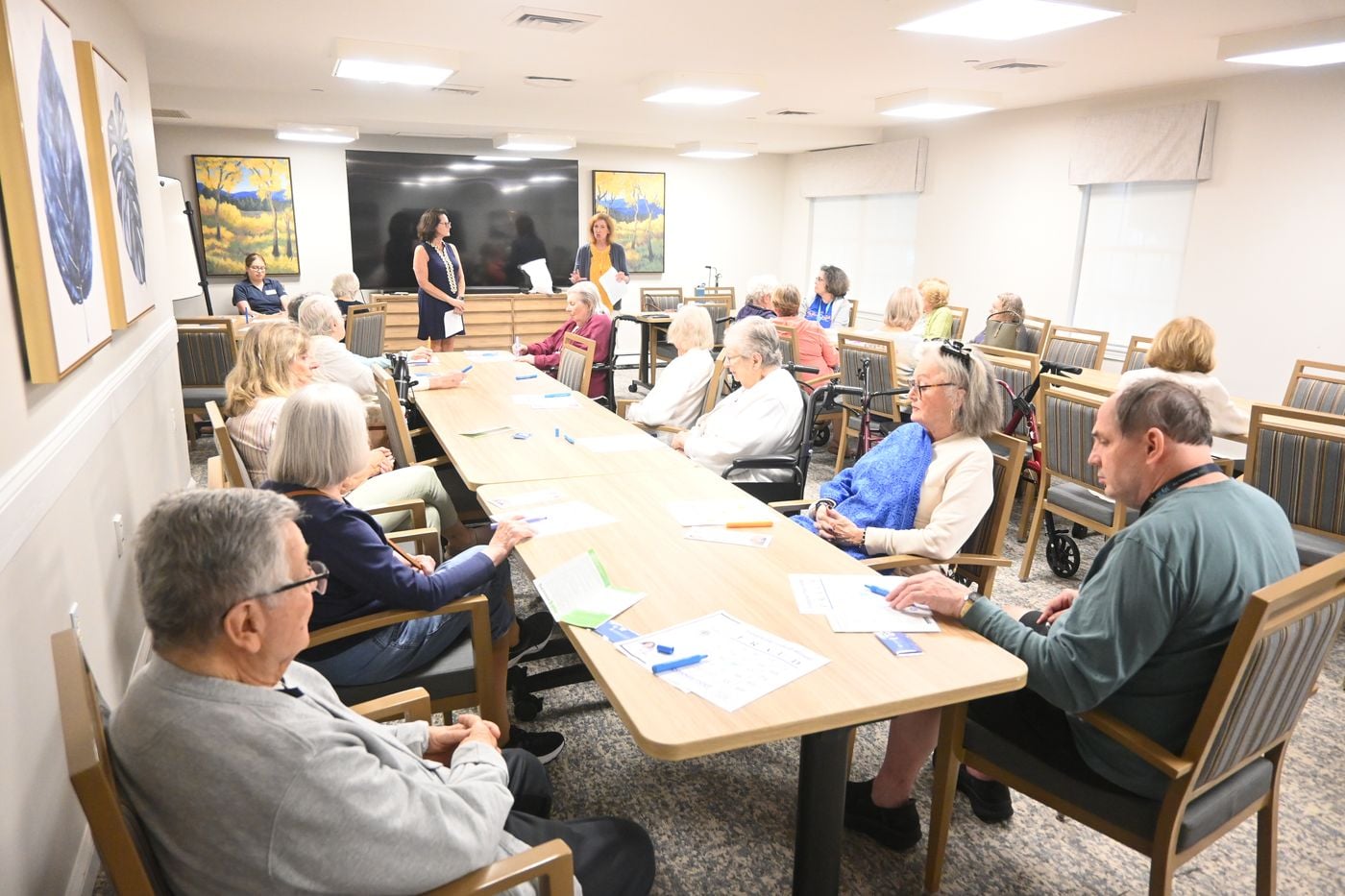
MILFORD – State Representative Kathy Kennedy (R-Milford/Orange) hosted a Financial Fraud Bingo event Tuesday at Carriage Green at Milford, giving local seniors a chance to have some fun while learning how to protect themselves from financial scams.
The event, held in partnership with the Connecticut Department of Banking, turned an important topic into an interactive afternoon. As numbers were called, the Department’s “Bingo Master” shared tips on how to recognize common scams, including imposter scams, identity theft and online shopping fraud. Participants also had the chance to ask questions, share stories and win prizes.
“Who says learning about financial scams has to be boring?” said Rep. Kennedy. “We had a lot of laughs, a little friendly competition and, most importantly, some really good conversations about how to protect ourselves and our loved ones. Scammers are getting more creative every day, and we have to be just as smart and a little more cautious.”
Kennedy said seniors are often targeted because scammers believe they may have savings, retirement income or other financial resources.
“Here’s the bottom line: if somebody calls, texts or emails you and something just doesn’t feel right, stop and take a breath,” Kennedy said. “Don’t be embarrassed to hang up, ask questions or call someone you trust. Your bank is there to help, and there’s no prize for responding to a scammer in a hurry.”
Participants learned about several common scams, including so-called “grandparent scams,” where criminals pretend to be a grandchild or other family member in an emergency and demand money immediately.
Residents were encouraged to independently contact the family member or another trusted person before sending money or providing personal information. They were also reminded to be cautious about information shared on social media, which scammers can use to make their schemes sound more believable.
Other tips included avoiding suspicious links in text messages and emails, double-checking email addresses, being cautious with unexpected phone calls and taking care when providing personal information.
“Scams don’t just happen to somebody else,” Kennedy said. “The best defense we have is looking out for one another and making sure our friends, parents, grandparents and neighbors know what to watch for.”