
Session update: E-Cert legislation, special ed. funding, and more
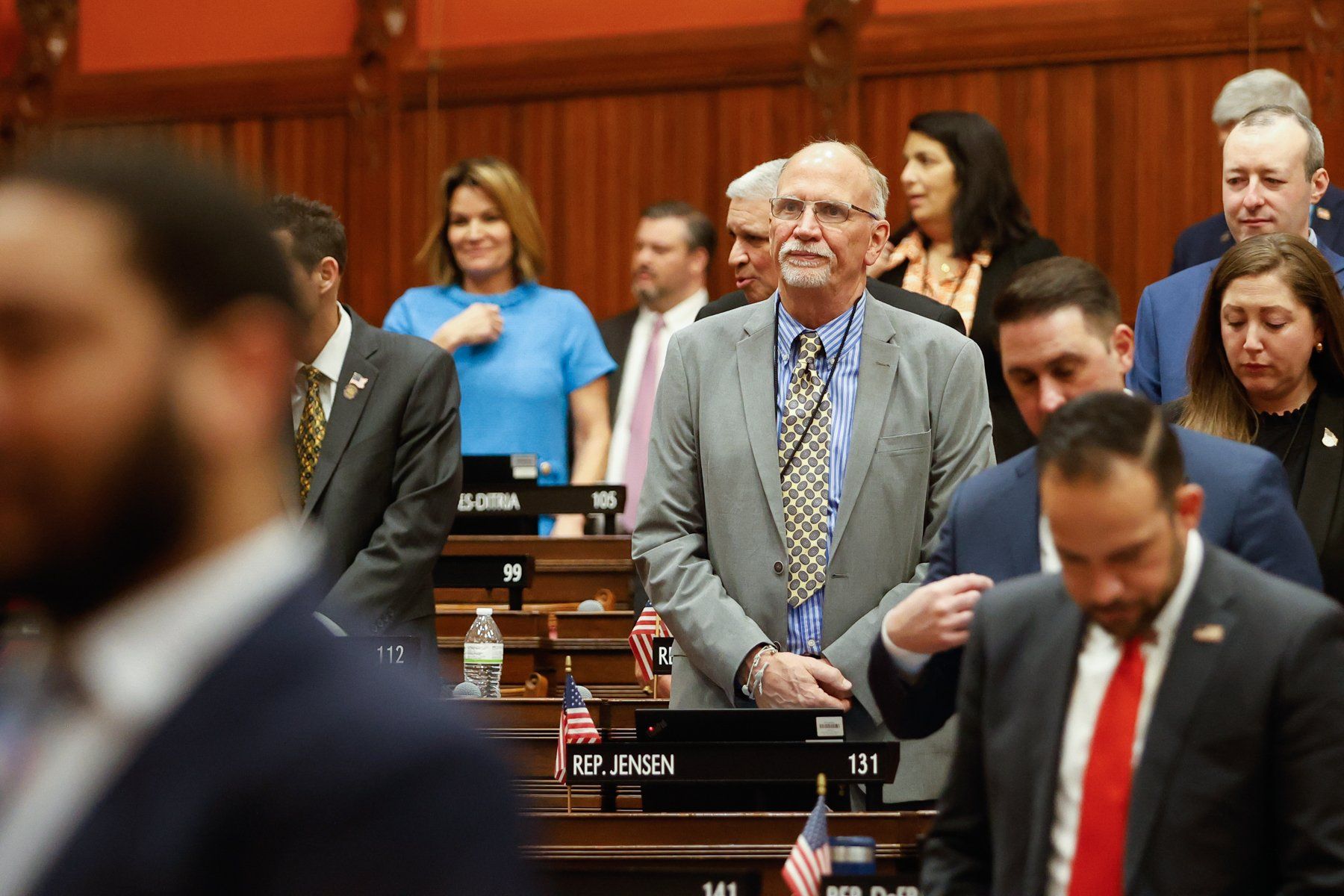
Yesterday, the House was in session to consider two bills to deal with a number of perceived issues affecting, or set to affect, the state. Unfortunately, these bills were pushed through in a legislative maneuver that ignores the public. I strongly disagree with putting multiple and incredibly varied subject matter into one larger bill to bypass the traditional committee process in exchange for “emergency certified” legislation that denies the public the ability to provide much needed and important input.
The people of Connecticut deserve to know what is being discussed and debated before it’s called for a vote.
The first and most impactful bill in the near-term, House Bill 7067, covered myriad items, including providing an additional $40 million in special education funding to help Connecticut municipalities cover costs through the current fiscal year; a measure I ultimately supported.
Still, this is only a temporary fix and the extra funding provided comes up woefully short of what’s needed to reduce the pressure on local property taxpayers. Before supporting the $40 million measure, I joined my colleagues in support of a House Republican amendment that would have provided the full $108 million needed to cover special education excess costs statewide. Unfortunately, Democrats rejected the amendment along party lines, 96 to 48.
Through the final bill, Oxford is estimated to receive $1,039,044; and Naugatuck will receive $1,852,758.
Last April, House Republicans proposed a budget adjustment that included $79 million to fully fund the special education Excess Cost Grant for the first time since 2009. The grant is essential for helping municipalities manage extraordinary special education expenses, including out-of-district placements. Democrats ignored the Republican plan, choosing instead to leave the budget unbalanced while allocating $245 million in federal ARPA funds to higher education. Since then, special education costs have only continued to rise.
I will continue to monitor this issue and advocate for increased funding to make sure our students and schools are not being held back by poor fiscal choices made in Hartford.
The second measure which I could not support, House Bill 7066, was another “aircraft carrier” bill that commingled several substantially separate issues in one bill, including establishing guidelines for school personnel to deal with immigration authorities, the purchase and operation of certain drones, grants to certain nonprofit organizations, and student athlete compensation through endorsement contracts and revenue sharing agreements.
While I appreciate certain aspects included in the overall bill I could not vote in support of such wide-ranging legislation. I have many concerns with how substantial state support is being distributed in the bill, and to which organizations. Like my colleague Rep. Case pointed out during the floor debate, there are many worthy programs that would be bolstered with an infusion of state funding, including those that assist our homeless population and veterans. I believe taxpayers and program recipients would be better served by having a robust, open discussion and public hearings before assigning millions of dollars to what seem to be pet projects and attempts to “Trump-proof” our state.
You can read more about each bill by going to the CGA website and searching for 7067 and 7066.