
Rep. Howard Votes for Bills Promoting Clean Energy, Sustainability
HARTFORD – To promote long-term environmental sustainability, State Representative Greg Howard (R-Stonington) strongly supported two bills in the House of Representatives this week that help to achieve a cleaner and greener Connecticut.
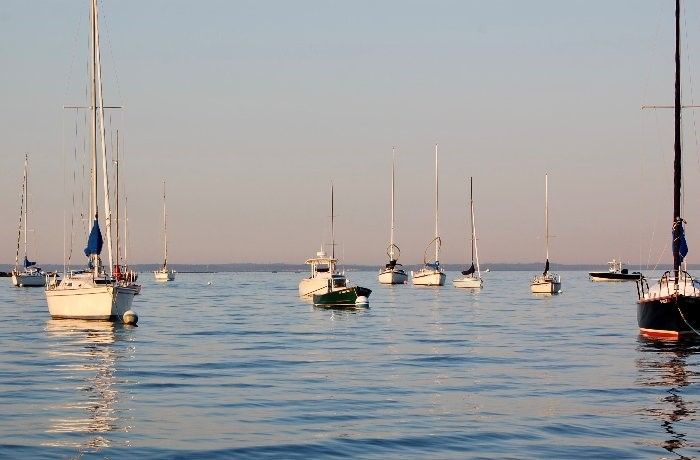
The first bill is, H.J.R. 53, Resolution Proposing the Adoption of the Long Island Sound Blue Plan. The Blue Plan is a special catalog of the Long Island Sound with maps, plant and animal inventories, habitat descriptions and illustrations of popular sailing routes, fishing areas, cargo lanes and other uses the state wants to recognize and preserve. In both its print and digital forms, the documents form the Blue Plan which would be the first-ever marine spatial plan for the waterway.
The other environmental-friendly piece of legislation is H.B. 6503 (as amended by House Amendment A), An Act Concerning the Siting of Anaerobic Digestion Facilities on Farms which encourage the siting and permitting of anaerobic digesters. Anaerobic digesters are oxygen-free tanks that use organics such as food and animal waste to make energy and agricultural products. This process has become a source of jobs and economic growth in Connecticut’s rural communities, and this legislation helps promote this industry.
Both these pieces of legislation look to protect and preserve our natural resources on land and water,” said Rep. Howard. “Representing a shoreline community with the Long Island Sound as key reason many live and visit, having a Blue Plan in place secures this water treasure for future generations.”
Rep. Howard said, “Looking at anaerobic digestion as a way to turn food waste into a something that can be recycled into a methane-rich biogas, which can be used to generate heat, create electricity, or fuel vehicles as an environmental-friendly way to curb Connecticut’s solid waste stream is a forward-thinking way to address a growing environmental waste concern.”
The Long Island Sound Blue Plan is a science-based approach to balancing conservation with economic development in the marine spatial planning process, which is especially important to the coastal communities of Stonington. The plan takes inventory of the sound’s natural resources and accounts for the impact of human activity on marine habitats. While other state programs regulate the sound’s resources, this plan actually tallies those resources in an aggregate fashion and addresses conflicts pertaining to the usage of such resources.
Both environmental-friendly bills were supported unanimously in the House of Representatives and now move to the State Senate for further debate.
The 2021 legislative session adjourns on June 9th.