
Enfield Legislators Vote to Restore Medicare Savings Program
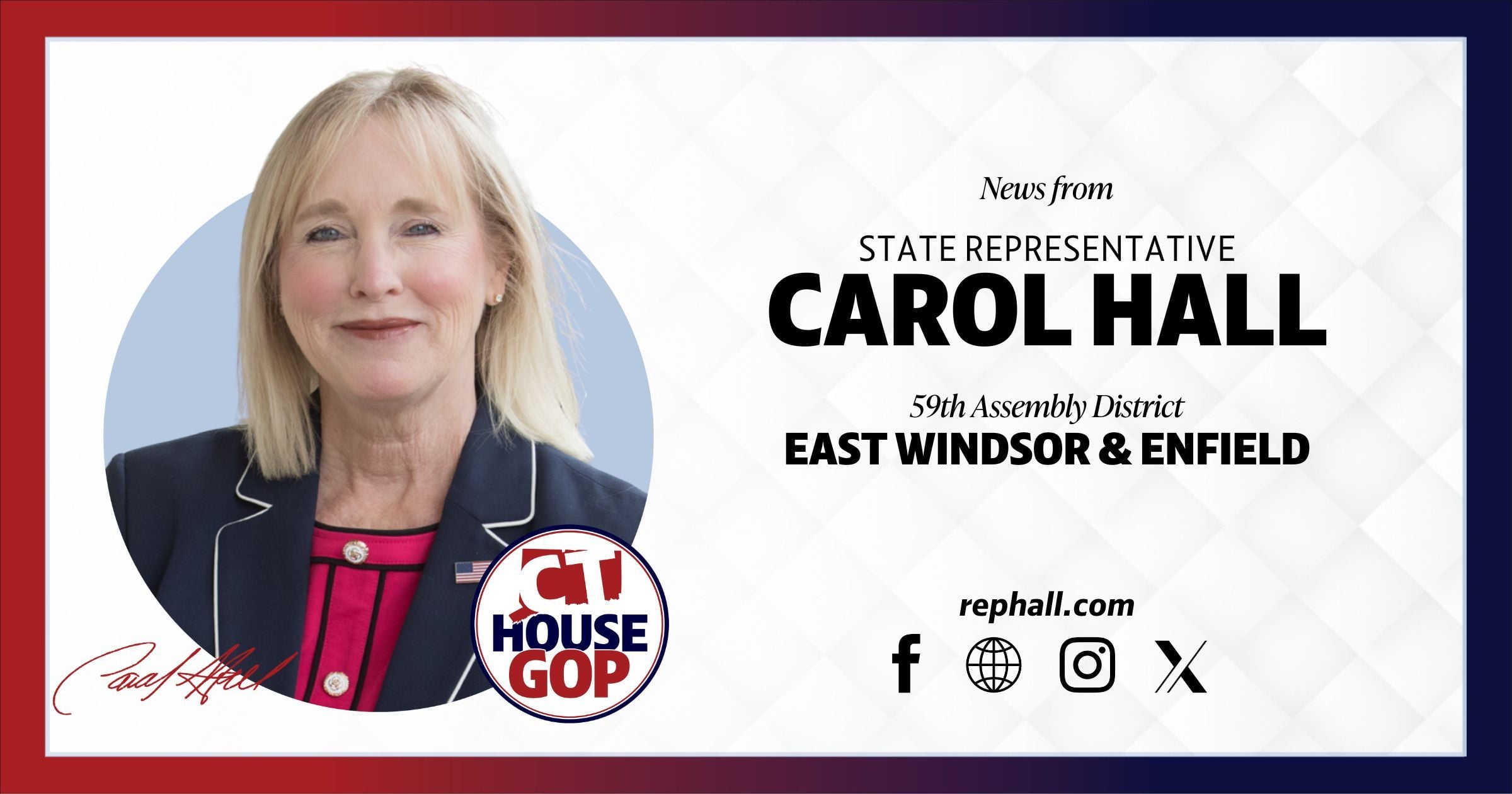
HARTFORD—State Reps. Stokes (R-58) and Hall (R-59) on Tuesday voted for a bipartisan plan that would provide funding for the Medicare Savings Program (MSP) through the end of the fiscal year.
MSP is a Medicaid program that helps seniors and the disabled pay for Medicare co-insurance, deductibles and premiums. Connecticut was one of five states whose income eligibly limits exceeded the federal minimum level. Legislators in adopting the budget in October reduced the eligibility to the federal minimum, consequently reducing or eliminating coverage for many of the program’s thousands of participants. The state’s Department of Social Services in December announced it would delay implementation of the eligibility reduction by two months, giving concerned program participants a reprieve from an unexpected jump in their healthcare costs as lawmakers worked to find $53 million to fund the program through June.
“This vote today will help bring peace of mind to elderly and disabled who rely on this help,” Rep. Stokes said. “This fix will bring some stability to this program for the rest of the fiscal year as we work on the other parts of the budget.”
“Today’s vote will provide some stability for recipients of MSP,” Rep. Hall said. “As members of the Appropriations Committee we are meeting to address the present budget short falls. We felt this was an important issue that needed immediate attention and were prepared to convene in special session back in December to address this issue.”
The MSP plan was approved in the House through a 130 to 3 vote. Among the methods used to restore program funding is a requirement that Gov. Malloy reduce the number of managers and consultants—a provision included in the adopted budget ignored by the governor. Other components include moving human resources-related functions of some state agencies into the state’s Department of Administrative Services, and requiring the governor to find- savings in Executive Branch functions while limiting his ability to cut more than 10 percent from any one program.
State senators approved the plan 32-1 in a vote later in the day.
The 2018 legislative session—a so-called short session—starts Feb. 7 and will see lawmakers focus primarily on issues tied to the state budget.