
H.B. 5004- An Act Concerning Child Welfare Accountability and Transparency
Key Takeaways
- Requiring the emergency placement of a child with a relative or fictive kin caregiver who has not yet been issued a license or approval, if that placement is in the best interest of the child.
- Requiring DCF, when a child is placed with someone other than a relative or fictive kin caregiver, to file written confirmation with the clerk of the court that the selected placement serves the best interest of the child.
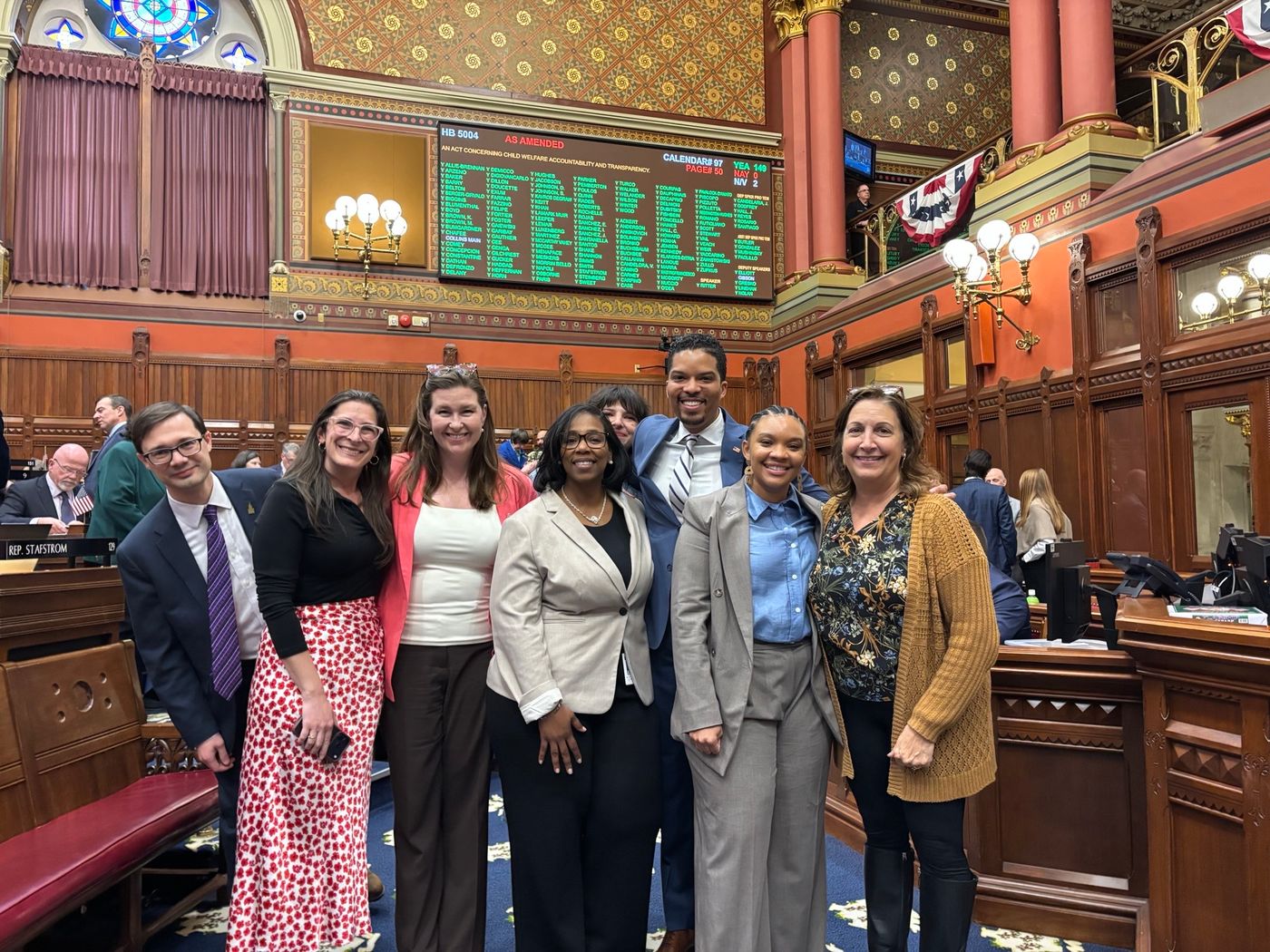
On Thursday, the House Chamber advanced some truly meaningful work from the Children’s Committee, which was a welcome and encouraging change. H.B. 5004, An Act Concerning Child Welfare Accountability and Transparency, passed unanimously and adds important safeguards in response to recent tragic events involving children in our state. The bill makes substantial reforms within the Department of Children and Families to strengthen protections for children and enhance transparency and accountability across the system.
Key provisions include:
• Requiring the emergency placement of a child with a relative or fictive kin caregiver who has not yet been issued a license or approval, if that placement is in the best interest of the child.
• Requiring the commissioner, upon denial of an emergency placement or removal of a child from a relative or fictive kin caregiver, to document in writing the reason for the denial or removal.
• Requiring DCF, when a child is placed with someone other than a relative or fictive kin caregiver, to file written confirmation with the clerk of the court that the selected placement serves the best interest of the child.
• Establishing a grant program for relative and fictive kin caregivers accepting emergency placement of a child, to help cover clothing, food, safety-related purchases, and other necessities.
• Creating a public dashboard with real-time information on the department’s administration and performance of statewide programs and services.
Additionally, I introduced an amendment that was added to the bill to further strengthen protections for children living in homes with individuals convicted of certain serious offenses. Under this amendment, within one week of a qualifying offender’s release to parole or placement on probation, the Department of Correction (DOC) must notify the Department of Children and Families (DCF) if that person is living at an address where someone under 18 resides. Within one week of that notification, DOC or DCF will conduct a home visit to assess the safety of any child in the residence. After that initial assessment, DOC or DCF will continue to visit the home at least once every three months until the person’s parole or probation ends, or until no minor resides at the address.
As ranking member of the Children's Committee I want to thank Democratic Co-Chair State Representative Corey Paris, my fellow members of the Children’s Committee, and my House colleagues for working together on this important legislation. I am grateful we were able to come together to make some much-needed changes for children and families in our state.