
Callahan Votes Against Passage of Recreational Marijuana
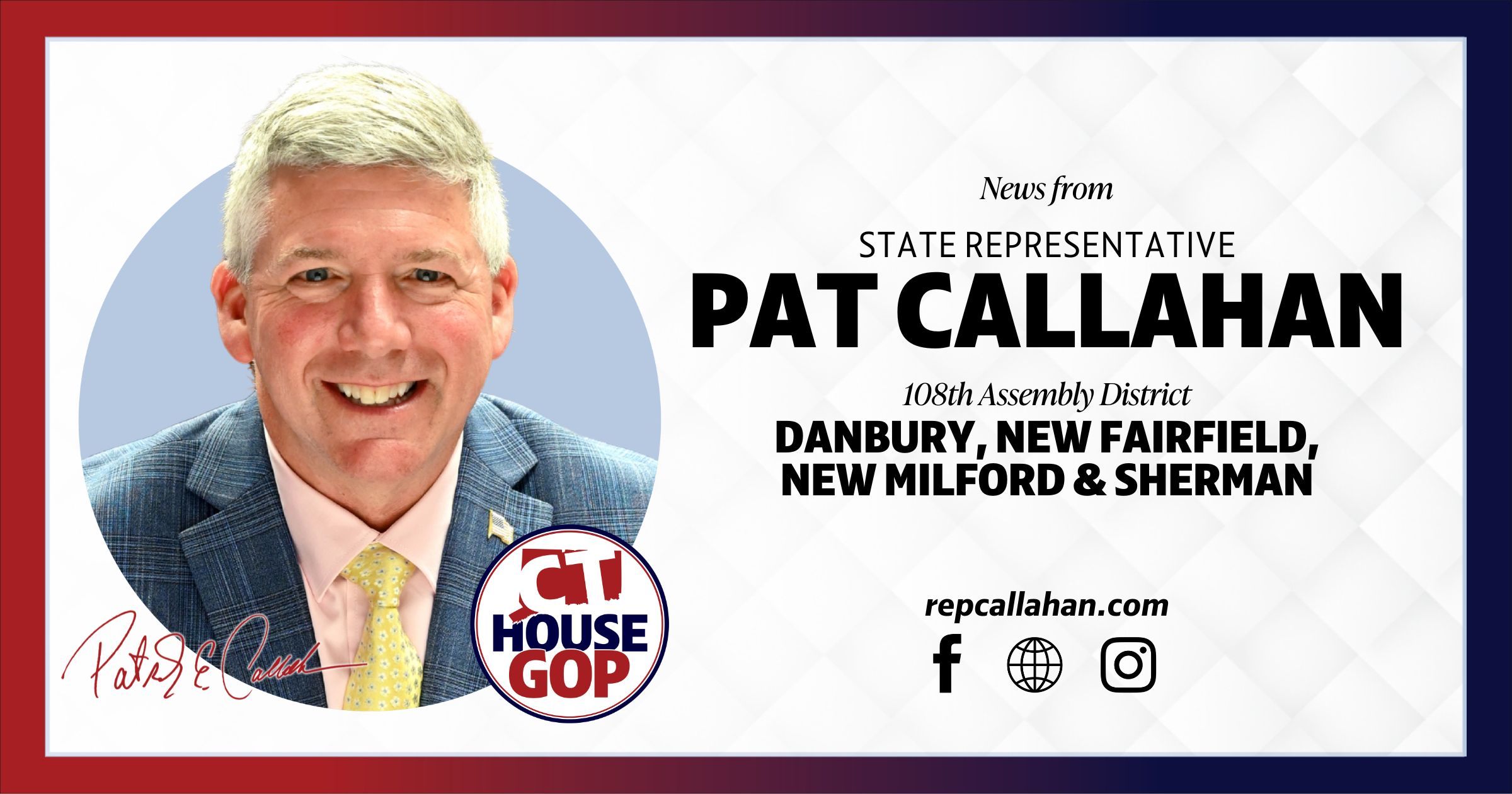
Hartford – The House convened for a special session on Wednesday, June 16, for lawmakers to act on the commercialization of adult-use marijuana. State Rep. Pat Callahan (R-New Fairfield) voted against the proposed program because it does not take into consideration several public health and safety risks, adds another layer of government without transparency, and does not distribute funds collected from marijuana sales to the state budget.
“The passage of a recreational marijuana program was inevitable. I would have considered voting for legislation that focused on easing the tax burden on Connecticut residents by collecting taxes from its sales and placing them into the General Fund. Unfortunately, the bill was hastily written, bypassed our standard committee process, and was emergency certified in the waning hours of our regular session. The Senate was the only chamber to act on the bill before we adjourned for the year, but the program had enough special interest support to grant it a special session,” explained Callahan.
According to Callahan, the conversation went from one on a policy of allowing persons to purchase, smoke, or consume cannabis, to a clear money grab – with little consideration of the long-term impacts on the Nutmeg State or offsetting the ever-increasing tax burden on middle- and working-class families.
“We are handcuffing law enforcement from effectively keeping our roads safe from impaired drivers. The way the bill is written, even if an officer observes smoking taking place in a vehicle, it’s not enough to make a traffic stop,” explained Callahan. “The passage of the bill will make traveling to work, social events, or school much less safe. Instead of addressing this basic public safety concern, the conversation focused on who can enter the market and how much profit they will be able to make.”
Law enforcement will need to update certain training standards to conform to the provisions of the bill. Further, the proceeds collected from recreational marijuana sales will not directly benefit taxpayers, but instead syphoned to an off-line account to pay for the program’s administration.
“The bill also carves out another administrative level of government that does not answer to Connecticut’s citizenry. An appointed ‘Social Equity Council’ will make the final call on cultivator applications and general admittance to the program. However, the actions of this board will not be readily made available to the public, creating yet another dark layer to the thickening cloak of state government,” concluded Callahan.
The bill was approved by a final vote tally of 76-62. The Senate took concurring action on the Bill Thursday afternoon, and it has been transmitted to the governor for his signature.
###