
Newtown Legislators, CT Banking Host Financial Fraud Bingo
Key Takeaways
- Bolinsky and Foncello host Financial Fraud Bingo at Newtown Senior Center
- Connecticut’s top scams include imposters, identity theft, and online shopping fraud
- Seniors learn practical ways to spot suspicious calls, texts, emails, and withdrawals
- Officials urge residents to verify emergencies and report suspected financial exploitation
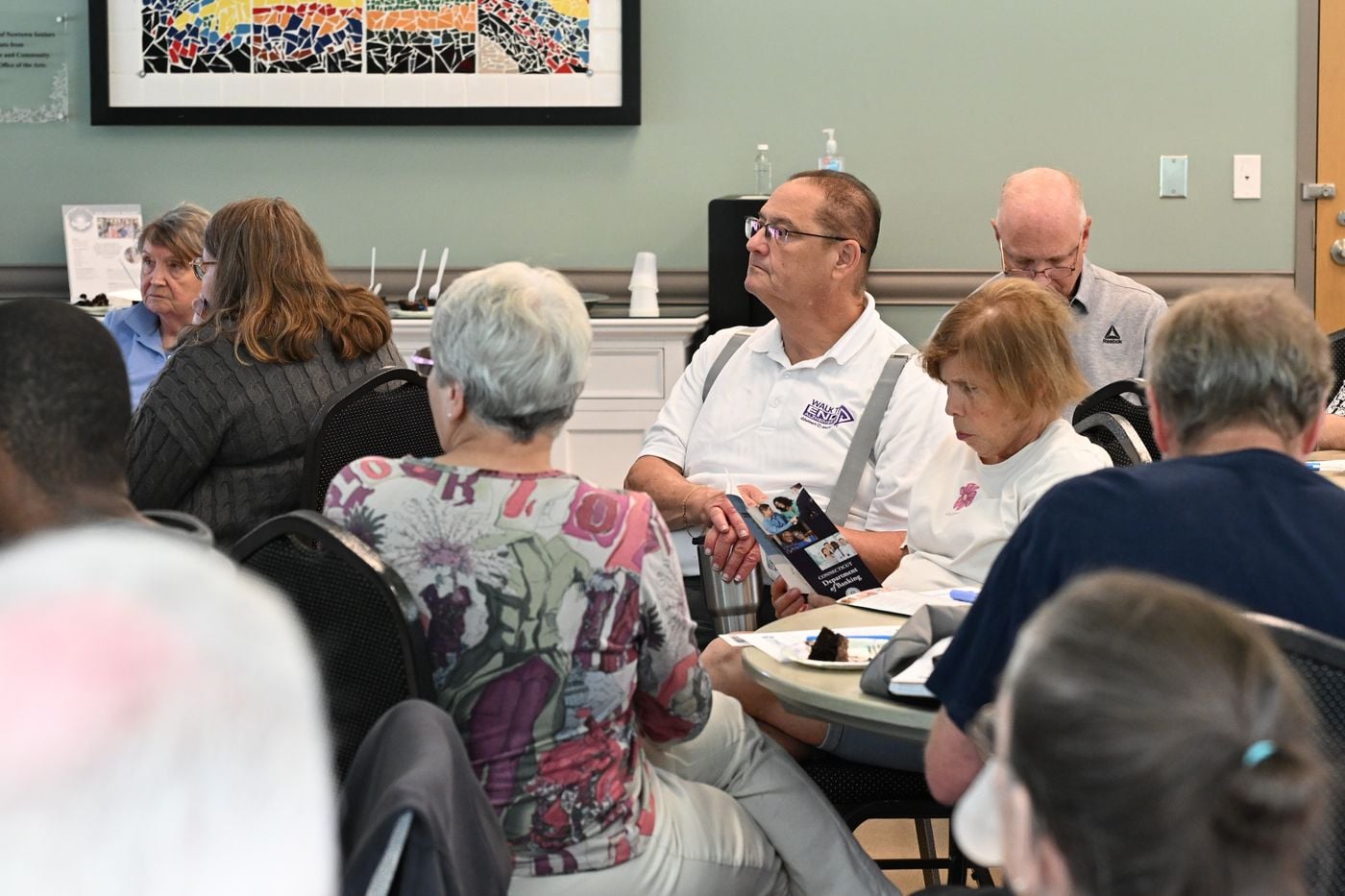
NEWTOWN -On Monday, an interactive forum on how to spot and avoid financial exploitation was hosted at Newtown Senior Center by State Representatives Mitch Bolinsky (R-106) and Martin Foncello (R-107), along with the Connecticut Department of Banking “Bingo master”. The Department offers a Financial Fraud Bingo program as part of its educational outreach. Dozens of residents attended, participated and took away prizes, while sharing important information at the Financial Fraud Bingo game and forum.
The Connecticut Department of Banking provided Bingo cards, markers and, with each number called, revealed tip after tip or insights on current banking fraud schemes circulating around the country.
In Connecticut, the top three categories of scams reported are imposter scams, ID theft, and online shopping scams.
“Financial scams have become more sophisticated, and unfortunately, our seniors are too often targeted because scammers know they may have savings, retirement income, and other readily accessed resources to go after,” said Rep. Bolinsky. “That’s why education and always reminding folks about what to look and listen for is so important. I think this program was a blast and thank our partners at the Banking Department for sharing this fun, action-packed hour with us! It’s not often you can have a little fun and pick up practical tools to recognize a scam before it becomes a costly mistake.”
Rep. Bolinsky shared information about how the Aging Committee led the way on a bill to have banks and credit unions become mandated reporters and protect folks from uncharacteristic activity by verifying suspicious withdrawals and other banking transactions before releasing funds.
“My House Co-Chair on the state’s Aging Committee, and I have worked with great success to strengthen protections for seniors by making sure financial institutions have the knowledge, tools and responsibility to help identify suspicious transactions and protect their customers,” Bolinsky continued. “We want Newtown residents to know that if something doesn’t feel right, stop, ask questions and don’t be afraid to report it.
There is no shame in being targeted by a scam—the shame belongs to the person trying to steal from you. Never feel embarrassed about your suspicions, ask questions of your banking and financial experts, report crimes and don’t blame yourself if you do fall victim. Scammers are getting better each year at defrauding people, no matter the victim’s age. The rise in AI technology is making the scam harder to detect,” said Rep. Foncello.
Among the tips were to not answer calls from unknown phone numbers, have direct deposit for Social Security or similar income so a paper check isn’t stolen out of a mailbox, and to never click a link included in a text message from an unknown number asking to verify information.
“If your doctor’s office needs to confirm your identity and asks for your birthday, you should write it down and pass the note to the receptionist because other people around might hear that information and it’s one of the keyways to confirm an identity,” noted Rep. Foncello.
One of the other tips many participants found helpful was to scroll down below AI powered suggestions in search engines because they are not often correct. Another was to double check the email address of the sender if a message looks questionable.
Seniors are often the targets of family emergency scams, nicknamed “the grandparent scam,” and seniors were reminded to act with their heads and not just their hearts. If someone instructs you to wire or transfer money, the State Department of Banking representative noted that the scammer might instruct you to say to the teller that the money is for construction because the banks are training employees to spot ‘grandparent scams’ if the money is needed for a grandchild.
Scammers may know names, relationships, or other details that they can easily find on social media. To avoid falling victim, Foncello suggested calling the family member directly to verify if there’s an actual emergency, or to come up with a password to ask for only family members would know and to be wary of oversharing on social media.