Latest News
Loading articles...
Loading photos...

State Representative
District
35th
Towns
3
Latest Updates
Swipe through recent posts

KILLINGWORTH, Conn. — State Representative Chris Aniskovich , R-Clinton, is partnering with the Connecticut Department of Banking to host a free, interactive Fraud Bingo event designed to help residents learn how to recognize and protect themselves from financial scams. The event will take place Monday, September 28, from 1:00 to 2:00 p.m. at the Killingworth Volunteer Fire Department, 333 Route 81 in Killingworth. Rather than sitting through a traditional presentation, attendees will learn about fraud prevention through a great game of Bingo that includes prizes. The program will cover common banking scams, fraud, identity theft and other methods criminals use to target personal information and money. “Scams and fraud are constantly evolving, and unfortunately, anyone can become a target,” said Rep. Aniskovich. “I wanted to partner with the Department of Banking to bring this program to our community so that anyone, including our seniors, can learn more about how to protect themselves. The more we know about the warning signs, the better prepared we are to protect ourselves, our families and our neighbors.” The event is free and open to the public, but registration is required. WHAT: Fraud Bingo WHEN: Monday, September 28, 2026, 1:00–2:00 p.m. WHERE: Killingworth Volunteer Fire Department, 333 Route 81, Killingworth COST: Free REGISTRATION: Required To register, call 860-250-1492 or email Samantha.Parlato@cga.ct.gov . Rep. Aniskovich can be contacted at Chris.Aniskovich@housegop.ct.gov or (800) 842-1423 with any questions or concerns related to state government. You can also follow his legislative activity by visiting his website, www.cthousegop.com/Aniskovich or on Facebook here .

CLINTON, Conn. — State Representative Chris Aniskovich (R-Clinton) announced today that $2 million in state bonding for the Abraham Pierson School project has been included on the September 8th agenda of the State Bond Commission. The bonding request still requires approval by the full Commission, but Aniskovich said placing the project on the agenda represents an important step forward for the project. “I’m very pleased to see this funding make it onto the Bond Commission agenda. I was proud to advocate and fight for this project in Hartford, and I appreciate the State Bond Commission for including it on the agenda. There is still another step to go, but this is great news for Clinton,” said Rep. Aniskovich. “This is a project that can check a lot of boxes for Clinton, including preserving an important part of our history, creating much-needed housing, providing space for our seniors and ultimately putting this property back on the tax rolls. I’m looking forward to seeing this move through the final approval process and will continue doing everything I can to help get it across the finish line.” The proposed Pierson School project would transform the historic school property into new, affordable housing, including housing opportunities for seniors. A portion of the project is also expected to provide space for senior activities and programs, creating a community benefit beyond the housing itself. The project also includes plans to preserve a portion of the historic school, helping maintain an important piece of Clinton’s history while putting the property back into productive use. Once completed, the development is expected to become a tax-paying property, providing an additional benefit to the local community. The State Bond Commission is scheduled to consider the funding at its September 8th meeting. For more information about the Abraham Pierson School project, visit the Town of Clinton’s project page or the Pierson School Apartments website. Rep. Aniskovich can be contacted at Chris.Aniskovich@housegop.ct.gov or (800) 842-1423 with any questions or concerns related to state government. You can also follow his legislative activity by visiting his website, www.cthousegop.com/Aniskovich or on Facebook here.
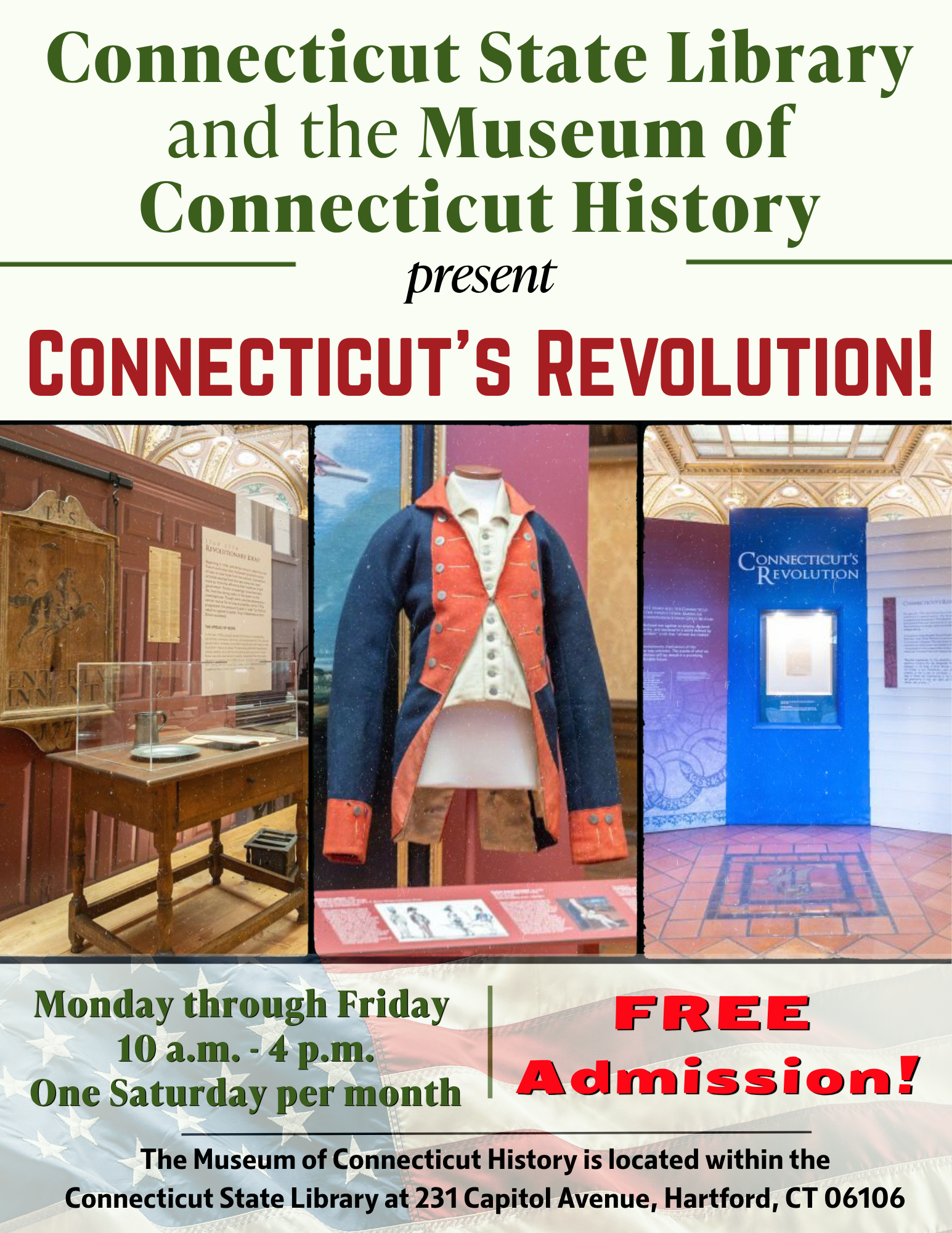
HARTFORD - If you’re looking for something interesting to do with the family, the Museum of Connecticut History in Hartford has an exhibit worth checking out that's a part of Connecticut’s 250th anniversary celebration. The Connecticut’s Revolution exhibit explores the people, ideas and experiences that shaped Connecticut during the American Revolution, and how our state helped shape the course of American history. Highlights include the “Goddard Broadside,” one of only nine copies of the Declaration of Independence printed by Mary Katharine Goddard Connecticut’s resolution of June 14, 1776 sanctioning the state’s Continental Congressional delegates to vote for independence A pocket watch that crossed the Delaware River with its owner and George Washington The museum is open Monday through Friday from 10 a.m. to 4 p.m., with Family Saturdays once a month continuing through June 2027. Best of all, there's no charge for admission. It’s a great opportunity to learn a little Connecticut history, bring the kids, and see some of the documents and artifacts that tell the story of our state during one of the most important periods in American history. The Museum of Connecticut History is located inside the Connecticut State Library at 231 Capitol Avenue in Hartford.

HARTFORD - State Representative Chris Aniskovich (R-Clinton) earned a 100% voting record for all roll call votes taken on the floor of the House of Representatives during the 2026 legislative session. The House Clerk’s Office recently released data showing that Rep. Aniskovich had cast a total of 316 votes, giving him a perfect record. “My job is to be there, listen, and make your voice heard. I'm grateful for the opportunity to serve you, and I'll continue working every day to bring strong representation to Hartford on behalf of Clinton, Killingworth and Westbrook,” said Rep. Aniskovich . “It’s a privilege to do this work, and I’ll keep bringing that same commitment into the next legislative session.” Rep. Aniskovich can be contacted at Chris.Aniskovich@housegop.ct.gov or (800) 842-1423 with any questions or concerns related to state government. You can also follow his legislative activity by following him on Facebook here .

HARTFORD - With the start of school just around the corner, Rep. Chris Aniskovich is reminding residents that Connecticut will once again offer a tax-free sales week on many items and this year the list of eligible items has expanded. From Sunday, August 16 through Saturday, August 22, you can shop for most clothing and shoes under $300 without paying state sales tax. It’s perfect for families stocking up on back-to-school clothing, or anyone who wants to add to their wardrobes. Backpacks and other items are now eligible for this week as well. Every bit of savings helps, and this is a great chance to keep more money in your pocket while supporting our local businesses! More details can be found here .
Towns Served